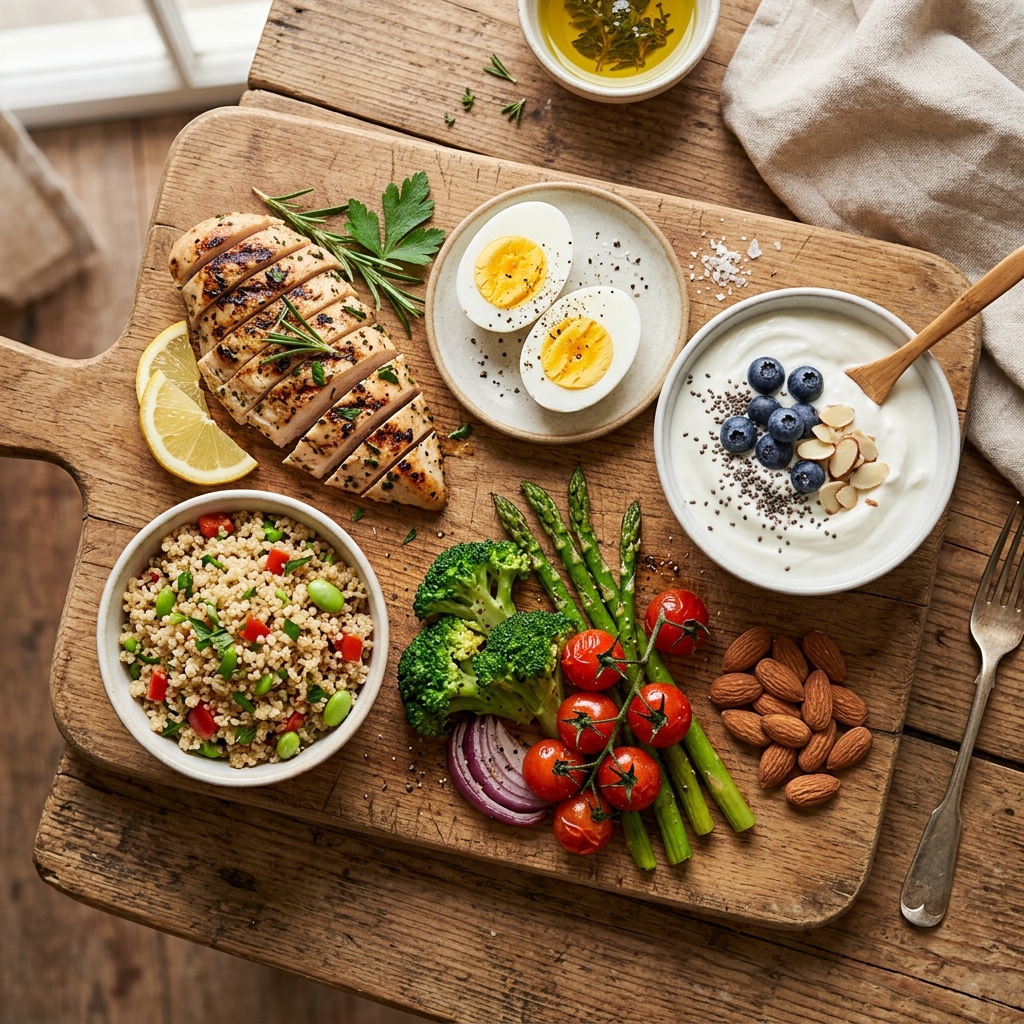
Why Your Grocery List Holds the Key to Metabolic Health After 40
Let’s face it: your metabolism isn’t what it used to be. After 40, your body undergoes subtle shifts—muscle mass declines, hormone levels fluctuate, and inflammation can creep up silently. But here’s the good news: the foods you put in your cart every week can either fuel that fire or douse it completely. This anti-inflammatory grocery list for peak metabolic health is designed specifically for men and women over 40 who want to reclaim their energy, stabilize blood sugar, and protect their long-term vitality.
Chronic inflammation is a known driver of metabolic dysfunction, insulin resistance, and even age-related muscle loss. By choosing whole, nutrient-dense foods that fight inflammation, you’re not just eating better—you’re actively supporting your protein needs after 40 and your body’s ability to build and maintain lean muscle.
The Science of Inflammation and Metabolism
Inflammation is your body’s natural defense mechanism, but when it becomes chronic, it wreaks havoc on your metabolism. Elevated inflammatory markers like CRP and IL-6 are linked to insulin resistance, obesity, and metabolic syndrome. The standard Western diet—high in refined sugars, processed oils, and excess calories—promotes this state.
On the flip side, an anti-inflammatory diet rich in polyphenols, omega-3 fatty acids, fiber, and high-quality protein has been shown to reduce markers of inflammation and improve metabolic flexibility. For those over 40, this is critical because your body’s ability to handle glucose and fat declines with age, making inflammation a bigger threat.
Pro Tip: Don’t wait for a diagnosis. Start eating anti-inflammatory today. Your future self—with steady energy, a sharper mind, and a healthier waistline—will thank you.
The Anti-Inflammatory Grocery List: Your Weekly Blueprint
Below is your comprehensive grocery list, broken down by category. Each item is chosen for its ability to quell inflammation, support metabolic health, and align with the nutritional needs of men and women over 40.
1. Vegetables: The Colorful Foundation
Load up on a rainbow of vegetables, especially leafy greens and cruciferous veggies. They’re packed with antioxidants and fiber that feed your gut microbiome and reduce oxidative stress.
- Spinach, kale, Swiss chard – rich in vitamins A, C, K, and magnesium
- Broccoli, cauliflower, Brussels sprouts – contain sulforaphane, a powerful anti-inflammatory compound
- Bell peppers – high in vitamin C and carotenoids
- Carrots and beets – betalains in beets reduce inflammation
- Onions and garlic – contain quercetin and allicin, both anti-inflammatory
Aim for at least 5-7 servings of vegetables daily. They add volume to meals without excess calories, helping you maintain a healthy weight—a key factor in metabolic health.
2. Fruits: Nature’s Sweet Antioxidants
Fruits are nature’s dessert, but choose those with lower glycemic impact and high polyphenol content.
- Blueberries, strawberries, raspberries – packed with anthocyanins
- Cherries – especially tart cherries, which reduce muscle soreness and inflammation
- Oranges and grapefruit – vitamin C powerhouse
- Apples – quercetin and pectin
- Pomegranate – ellagitannins
Limit high-sugar fruits like bananas and grapes, but don’t eliminate them—they still offer fiber and nutrients. The goal is balance.
3. Healthy Fats: The Anti-Inflammatory Powerhouses
Healthy fats are not the enemy; they’re essential for hormone production and nutrient absorption. Omega-3s are particularly potent anti-inflammatories.
- Extra virgin olive oil – rich in oleocanthal, which has ibuprofen-like effects
- Avocados – monounsaturated fats and potassium
- Nuts (walnuts, almonds, pecans) – omega-3s and vitamin E
- Seeds (chia, flax, hemp) – ALA omega-3s
- Fatty fish (salmon, mackerel, sardines) – EPA and DHA
For a convenient way to boost your omega-3 intake, consider a high-quality fish oil supplement. And remember, healthy fats help with the absorption of fat-soluble vitamins like A, D, E, and K.
4. Protein: The Muscle-Saving Essential
Protein is non-negotiable after 40. It supports muscle repair, satiety, and metabolic rate. But not all protein sources are equal when it comes to inflammation.
- Wild-caught salmon – omega-3s and high-quality protein
- Skinless chicken and turkey – lean poultry
- Eggs – especially pastured, which have more omega-3s
- Greek yogurt and kefir – probiotics and protein
- Legumes (lentils, chickpeas, black beans) – plant-based protein and fiber
Your protein intake should be distributed evenly across meals to maximize muscle protein synthesis and overcome anabolic resistance. Aim for 25-40 grams of protein per meal.
5. Whole Grains and Complex Carbs: Fuel for Energy
Choose whole grains that are rich in fiber and have a low glycemic index to keep blood sugar steady.
- Oats (steel-cut or rolled) – beta-glucan
- Quinoa – complete protein
- Brown rice – selenium and magnesium
- Barley – beta-glucan
- Sweet potatoes – vitamin A and complex carbs
These carbs provide sustained energy for your workouts and daily activities. They also feed beneficial gut bacteria, which play a role in reducing inflammation.
6. Herbs, Spices, and Beverages: The Flavor Boosters
Don’t underestimate the power of spices. Many are concentrated sources of anti-inflammatory compounds.
- Turmeric (with black pepper) – curcumin, a potent anti-inflammatory
- Ginger – gingerol
- Cinnamon – helps regulate blood sugar
- Garlic and onion powder – allicin
- Green tea – EGCG, a catechin that reduces inflammation
Sip on green tea throughout the day, and add turmeric to soups, stews, or smoothies.
How to Shop and Build Your Weekly Meal Plan
Now that you have the list, here’s a step-by-step guide to putting it into action.
Step 1: Plan Your Week
Take 15 minutes on Sunday to outline your meals. Pick 3-4 dinner recipes that use overlapping ingredients to reduce waste. For example, roast a batch of vegetables that can be used in salads, omelets, and grain bowls.
Step 2: Make a Master List
Write down the items you need, categorized by section of the grocery store. Stick to the perimeter where fresh foods live, and venture into the aisles only for pantry staples like olive oil, spices, and canned beans.
Step 3: Shop Seasonally and Locally
Seasonal produce is fresher and often more nutrient-dense. Visit your local farmers market for variety and to support sustainable farming.
Step 4: Prep in Batches
Spend a couple of hours prepping: wash and chop veggies, cook grains, grill chicken, and portion snacks into containers. Having ready-to-eat components makes it easy to assemble healthy meals when you’re tired.
Step 5: Don’t Forget the Freezer
Frozen berries, spinach, and even wild salmon are just as nutritious as fresh. They’re convenient and reduce food waste.
Lifestyle Factors That Amplify Your Diet
Your grocery list is powerful, but it works best when combined with other healthy habits.
Prioritize Sleep
Poor sleep increases inflammation and disrupts appetite hormones. Aim for 7-9 hours of quality sleep. For tips on optimizing sleep and supporting your hormones, check out our guide.
Manage Stress
Chronic stress raises cortisol, which promotes inflammation. Incorporate mindfulness, deep breathing, or gentle yoga into your routine.
Stay Active
Regular exercise is anti-inflammatory. A mix of cardio and strength training is ideal. Strength training also builds muscle, which helps regulate blood sugar and boosts your metabolism.
Hydrate Well
Water is essential for every cellular process. Dehydration can impair metabolism and increase inflammation. Carry a water bottle and sip throughout the day.
Sample Day of Anti-Inflammatory Eating
Here’s a quick sample menu to spark ideas:
- Breakfast: Greek yogurt with berries, chia seeds, and a sprinkle of cinnamon
- Lunch: Grilled chicken salad with spinach, avocado, walnuts, and olive oil vinaigrette
- Snack: Apple slices with almond butter
- Dinner: Baked salmon with roasted Brussels sprouts and quinoa
- Evening: Herbal tea with ginger and turmeric
This template hits all the key nutrients—protein, fiber, healthy fats, and antioxidants—keeping you full and energized.
The Bottom Line
Your grocery cart is your most powerful tool for metabolic health. By filling it with anti-inflammatory foods, you’re not just reducing your risk of chronic disease—you’re actively supporting your body’s ability to thrive after 40. Combine this with adequate protein intake, regular exercise, quality sleep, and stress management, and you have a winning formula.
Start small. Pick a few items from each category and build from there. Your energy, your waistline, and your future self will thank you.
Pro Tip: Keep a food journal for two weeks. Note how you feel after meals—your energy, digestion, and mood. This will help you fine-tune your anti-inflammatory grocery list to what works best for your body.
This article is for informational purposes only and does not constitute medical advice. Always consult with a healthcare provider before making significant dietary changes, especially if you have underlying health conditions.