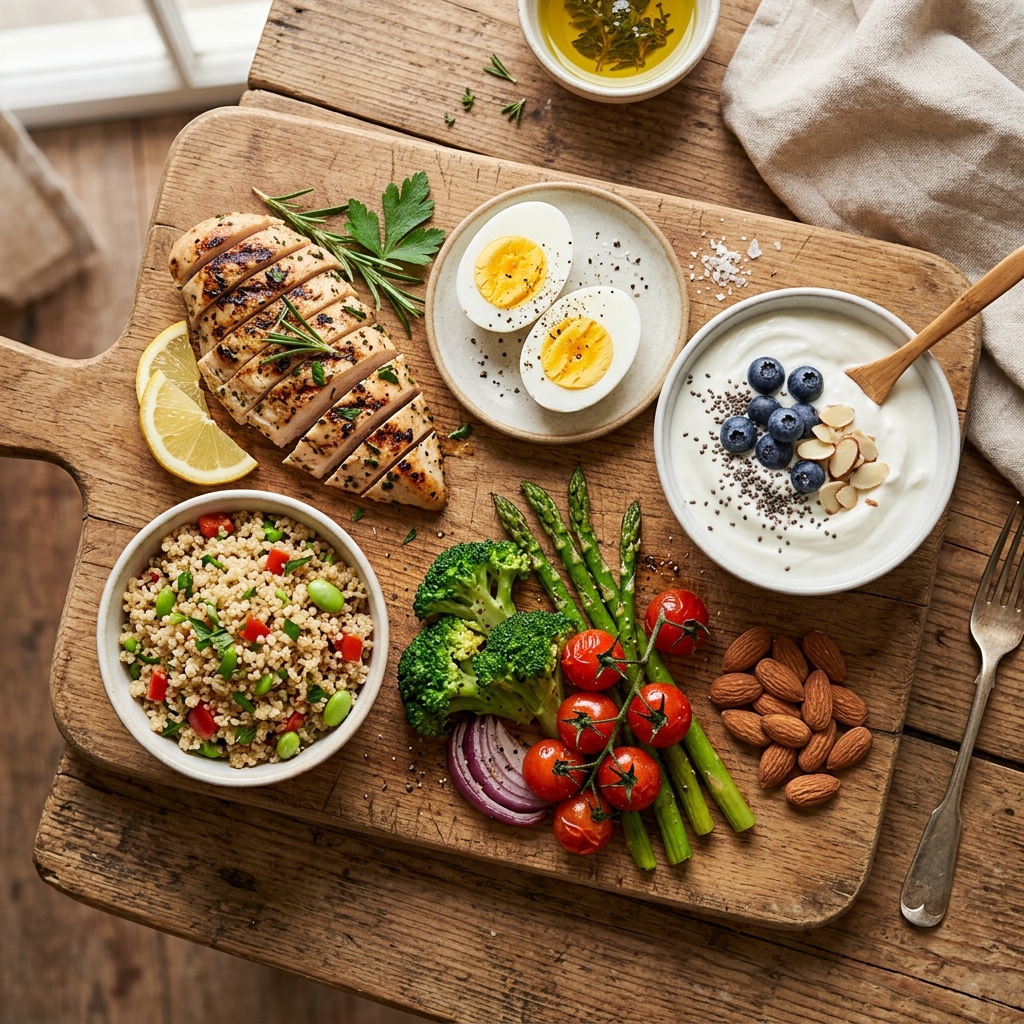
Introduction: Why Your Nutrition Needs Change After 30
After age 30, your body undergoes subtle but significant shifts. Your protein needs increase due to a phenomenon called anabolic resistance, where your muscles become less responsive to protein intake. Additionally, natural testosterone levels begin to decline, making nutrient-dense foods even more critical. The best recipes for man over 30 prioritize lean proteins, healthy fats, and complex carbohydrates to maintain muscle mass, support hormone production, and sustain energy.
Pro Tip: Aim for 1.6-2.2 grams of protein per kilogram of body weight daily. Distribute protein evenly across 3-4 meals to maximize muscle protein synthesis.
The Science Behind the Best Recipes for Man Over 30
Combatting Anabolic Resistance
As you age, your body requires higher doses of protein per meal to trigger muscle building. This is why the best recipes for man over 30 include 30-40 grams of protein per serving. Sources like chicken breast, eggs, Greek yogurt, and whey protein are excellent choices.
Supporting Testosterone Naturally
Certain nutrients are vital for maintaining healthy hormone levels. Zinc, magnesium, vitamin D, and healthy fats (from avocados, nuts, and olive oil) play key roles. The best recipes for man over 30 incorporate these ingredients to support natural testosterone production.
Optimizing Recovery and Performance
If you follow a strength training program, your body needs adequate protein and carbohydrates to repair muscles and replenish glycogen. The recipes below are designed to fuel your workouts and recovery.
Top 5 Best Recipes for Man Over 30
1. Grilled Chicken with Quinoa and Roasted Vegetables
This balanced meal provides lean protein, complex carbs, and fiber. Quinoa is a complete protein, making it an excellent side.
Ingredients:
- 6 oz chicken breast
- 1 cup cooked quinoa
- 1 cup mixed vegetables (broccoli, bell peppers, zucchini)
- 2 tbsp olive oil
- Salt, pepper, garlic powder
Instructions:
- 1.Season chicken with salt, pepper, and garlic powder. Grill until internal temperature reaches 165°F.
- 2.Toss vegetables with olive oil and roast at 400°F for 20 minutes.
- 3.Serve chicken over quinoa with vegetables.
2. Salmon with Sweet Potato and Asparagus
Salmon is rich in omega-3 fatty acids, which reduce inflammation and support heart health. Sweet potatoes provide vitamin A and complex carbs.
Ingredients:
- 6 oz salmon fillet
- 1 medium sweet potato, cubed
- 1 cup asparagus
- 2 tbsp olive oil
- Lemon juice, dill, salt, pepper
Instructions:
- 1.Toss sweet potato with olive oil and roast at 425°F for 20 minutes.
- 2.Season salmon with lemon, dill, salt, pepper. Bake at 375°F for 12-15 minutes.
- 3.Steam or roast asparagus for 5 minutes. Serve together.
3. Egg White and Vegetable Omelette
Eggs are a top source of high-quality protein. This omelette is low in calories but high in nutrients.
Ingredients:
- 4 egg whites (or 2 whole eggs + 2 egg whites)
- 1/2 cup spinach
- 1/4 cup diced tomatoes
- 1/4 cup mushrooms
- 1 tbsp olive oil
- Salt, pepper, turmeric
Instructions:
- 1.Sauté vegetables in olive oil until tender.
- 2.Pour beaten eggs over vegetables. Cook until set.
- 3.Fold and serve with a side of whole-grain toast.
4. Greek Yogurt Protein Bowl
Perfect for breakfast or post-workout, this bowl provides fast-digesting protein and probiotics for gut health.
Ingredients:
- 1 cup plain Greek yogurt
- 1 scoop vanilla whey protein (optional)
- 1/2 cup mixed berries
- 1 tbsp chia seeds
- 1 tbsp chopped almonds
Instructions:
- 1.Mix yogurt and protein powder until smooth.
- 2.Top with berries, chia seeds, and almonds.
5. Lean Beef Stir-Fry with Broccoli and Brown Rice
Beef is rich in zinc and creatine, supporting creatine benefits and testosterone. This stir-fry is quick and packed with protein.
Ingredients:
- 6 oz lean beef strips
- 2 cups broccoli florets
- 1 cup cooked brown rice
- 2 tbsp low-sodium soy sauce
- 1 tbsp sesame oil
- Garlic, ginger
Instructions:
- 1.Sear beef in sesame oil until browned. Set aside.
- 2.Sauté broccoli, garlic, and ginger. Add soy sauce.
- 3.Return beef to pan, toss. Serve over rice.
Step-by-Step Guide to Building Your Meal Plan
- 1.Calculate your protein needs: Use the formula 1.6-2.2 g/kg of body weight. For a 180 lb (82 kg) man, that's 131-180 grams of protein daily.
- 2.Choose 3-4 protein sources per day: Include at least one animal-based protein (chicken, fish, eggs, beef) and one plant-based (quinoa, beans, Greek yogurt).
- 3.Add healthy fats: Avocado, nuts, seeds, olive oil, and fatty fish support hormone health.
- 4.Incorporate complex carbs: Sweet potatoes, brown rice, oats, and vegetables provide sustained energy.
- 5.Time your meals: Consume protein within 2 hours after workouts to maximize recovery. Consider supplement timing for creatine.
Common Mistakes to Avoid
- Skipping breakfast: A high-protein breakfast sets the tone for stable blood sugar and energy.
- Under-eating protein: Many men over 30 consume less than 20 grams per meal, which is insufficient to stimulate muscle protein synthesis.
- Ignoring micronutrients: Zinc, magnesium, and vitamin D are crucial for testosterone and overall health.
Conclusion
The best recipes for man over 30 are those that deliver high-quality protein, healthy fats, and essential nutrients to combat age-related declines. By incorporating these meals into your routine, you can maintain muscle mass, support hormone health, and boost vitality. Remember to pair your nutrition with a consistent strength training program and adequate sleep for optimal results. Start with one recipe today and build from there.