Introduction: Why Creatine Deserves a Second Look After 40
When you hear the word creatine, you probably picture a 25-year-old bodybuilder chugging a neon-colored pre-workout. But here’s the truth: creatine isn’t just for bodybuilders. In fact, for men and women over 40, creatine might be one of the most underrated supplements for maintaining muscle, sharpening your mind, and extending your health span.
As we age, our bodies become less responsive to protein and resistance training—a phenomenon known as anabolic resistance. This means you need more effort to build and keep muscle. At the same time, your brain’s energy demands increase, and cognitive decline becomes a real concern. Creatine addresses both of these issues simultaneously.
In this guide, we’ll explore the science-backed benefits of creatine for the 40+ demographic, how to use it safely, and why 2026 is the year you should start. Whether you’re a fitness enthusiast or a complete beginner, this supplement can be a game-changer.
What Is Creatine and How Does It Work?
Creatine is a naturally occurring compound made from three amino acids: arginine, glycine, and methionine. About 95% of your body’s creatine is stored in skeletal muscle, with the remaining 5% in your brain and other tissues.
Your body uses creatine to produce ATP—the primary energy currency of your cells. During high-intensity exercise, your muscles rely on ATP for quick bursts of power. Creatine helps replenish ATP faster, allowing you to push harder and recover quicker.
But here’s the part most people overlook: your brain is one of the most energy-hungry organs in your body. It uses about 20% of your daily energy expenditure. Creatine supports brain energy metabolism, which can improve memory, focus, and mental clarity, especially under stress or sleep deprivation.
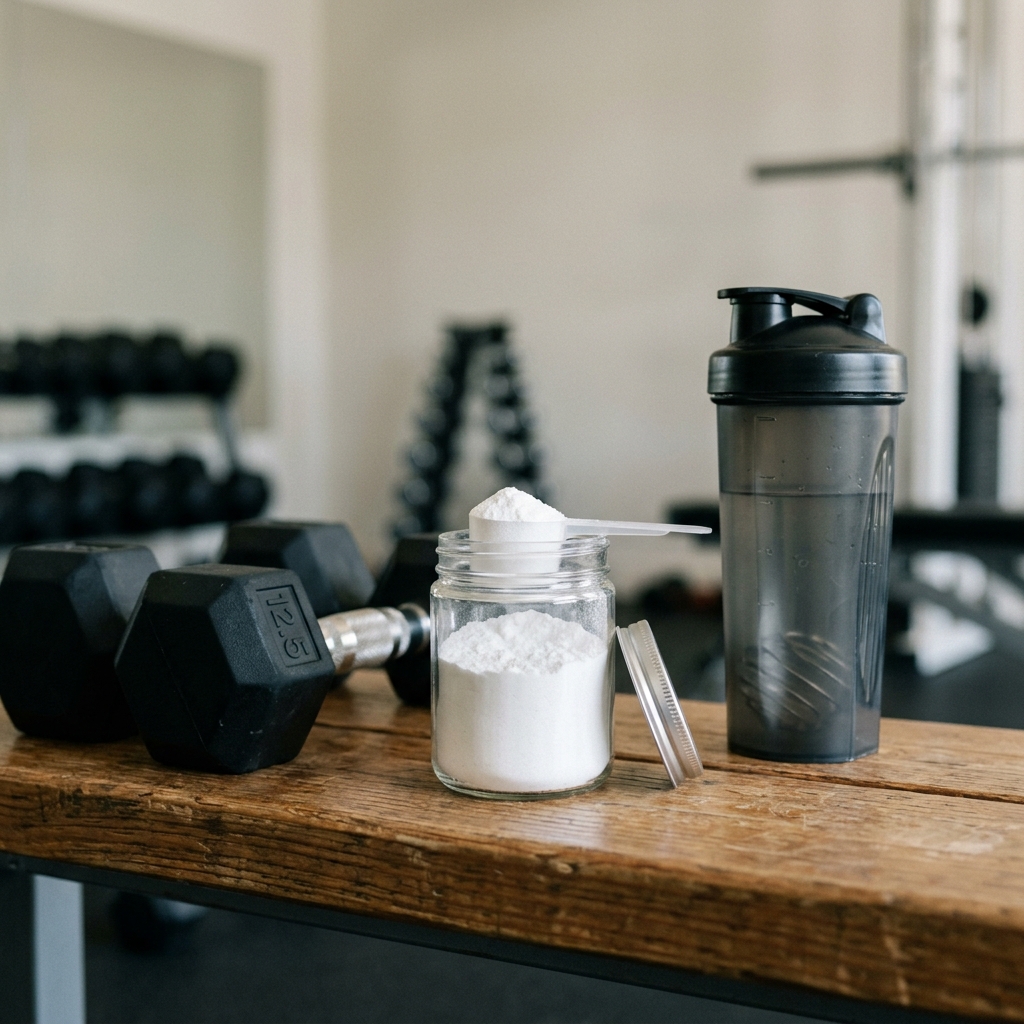
Pro Tip: If you’re over 40 and want to maintain muscle while protecting your brain, creatine monohydrate is the most researched and effective form. Look for a high-quality creatine monohydrate powder without added fillers.
The Muscle Benefits of Creatine After 40
Combating Anabolic Resistance
As you age, your muscles become less sensitive to the anabolic signals from protein and insulin. This is called anabolic resistance. Creatine helps counteract this by increasing the availability of phosphocreatine in muscle cells, which supports protein synthesis and reduces muscle breakdown.
A 2023 meta-analysis found that creatine supplementation combined with resistance training significantly increases lean muscle mass and strength in adults over 50, compared to training alone.
Improving Strength and Power
Creatine is famous for boosting strength and power output. For the 40+ crowd, this translates to better performance in daily activities like carrying groceries, climbing stairs, or playing with grandkids.
Research shows that creatine can increase maximal strength by 5-15% and power output by up to 15% when combined with a proper strength training program. That’s a significant advantage, especially if you’re just starting out.
Supporting Muscle Mass Preservation
After 40, most people lose 1-2% of muscle mass per year—a condition known as sarcopenia. This not only affects your appearance but also your metabolism, bone density, and overall quality of life.
Creatine helps preserve muscle mass by promoting a positive protein balance. When paired with adequate protein intake, creatine can slow down age-related muscle loss and keep you stronger for longer.
The Brain Benefits of Creatine: A Hidden Gem
Boosting Cognitive Performance
Your brain relies on a steady supply of ATP to function optimally. Creatine increases brain phosphocreatine levels, which can enhance cognitive performance, especially during tasks that require quick thinking and memory recall.
A 2021 study published in Nutrients found that creatine supplementation improved working memory and processing speed in healthy adults, particularly under conditions of mental fatigue.
Protecting Against Age-Related Cognitive Decline
Creatine may also offer neuroprotective effects. It helps buffer against oxidative stress and supports mitochondrial function in brain cells. Some studies suggest that creatine could lower the risk of age-related neurodegenerative diseases like Alzheimer’s and Parkinson’s.
While more research is needed, the evidence is promising. Adding creatine to your daily routine is a low-risk way to support your brain health as you age.
Enhancing Mental Clarity During Stress or Sleep Deprivation
If you’re over 40, you know that sleep quality often declines. Poor sleep impairs cognitive function, and creatine has been shown to mitigate some of these effects. A study on sleep-deprived individuals found that creatine supplementation improved cognitive performance and reduced feelings of fatigue.
This makes creatine a valuable tool not just for gym-goers, but for anyone with a demanding job or busy family life.
How to Use Creatine: A Step-by-Step Guide
Step 1: Choose the Right Type
Stick to creatine monohydrate—it’s the most studied, effective, and affordable form. Avoid fancy blends or “micronized” versions unless they’re actually monohydrate. Check the label for purity.
Step 2: Determine Your Dosage
The standard recommendation is 3-5 grams per day. You don’t need a loading phase. Taking 3-5 grams daily will saturate your muscles within 3-4 weeks. Some people prefer a loading phase of 20 grams per day for 5-7 days, but it’s not necessary.
Step 3: Timing and Consistency
Consistency is key. Take creatine at the same time every day, preferably with a meal that contains carbohydrates to enhance absorption. Some research suggests taking it post-workout, but the most important factor is daily adherence.
Pro Tip: Mix your creatine into a protein shake or a glass of water. It’s tasteless and dissolves easily. Don’t worry about “loading” unless you want faster results.
Step 4: Pair with Resistance Training
Creatine works best when combined with resistance exercise. If you’re not currently lifting weights, start with a simple strength training program that includes compound movements like squats, deadlifts, and presses.
Step 5: Monitor and Adjust
After 4-6 weeks, assess your progress. You should notice improved strength, endurance, and possibly better mental clarity. If you experience any digestive discomfort, try splitting your dose or taking it with food.
Safety and Side Effects
Creatine is one of the safest supplements on the market. Over 500 studies have confirmed its safety for long-term use. Common side effects are mild and include water retention, bloating, and occasionally stomach cramps.
If you have kidney disease or take medications that affect kidney function, consult your doctor before starting creatine. Otherwise, it’s safe for most healthy adults over 40.
Creatine and Hormones: What You Need to Know
There’s a myth that creatine lowers natural testosterone. That’s false. In fact, creatine may actually support testosterone levels by improving exercise performance and recovery. A 2020 study found that creatine supplementation increased dihydrotestosterone (DHT) in some individuals, but total testosterone remained unchanged.
For men concerned about hormone levels, creatine is a safe addition to your stack. It won’t harm your testosterone, and it may even help you train harder, which supports natural testosterone production.
Creatine and Longevity: The Bigger Picture
Creatine isn’t just about today—it’s about your future self. By preserving muscle and brain function, creatine plays a role in healthy aging. Stronger muscles mean better balance, fewer falls, and a higher quality of life. A sharper brain means you stay independent and engaged for longer.
Research also suggests that creatine may have anti-inflammatory and antioxidant properties, which could slow down the aging process at the cellular level.
Frequently Asked Questions
Does creatine cause water retention?
Yes, creatine pulls water into your muscle cells, which can cause a slight increase in total body water. This is not harmful and actually helps with muscle hydration and performance.
Can I take creatine if I have high blood pressure?
Creatine does not raise blood pressure in healthy individuals. However, if you have hypertension, monitor your blood pressure regularly and consult your doctor.
How long does it take to see results?
Most people notice increased strength and endurance within 2-4 weeks. Brain benefits may take longer—up to 8 weeks—as brain creatine levels build up gradually.
Is creatine safe for women over 40?
Absolutely. Women can benefit from creatine just as much as men, especially for bone health and cognitive function. The dosage is the same: 3-5 grams per day.
Conclusion: Your Next Step
Creatine is not just for bodybuilders—it’s a powerful tool for anyone over 40 who wants to maintain muscle, boost brain health, and improve overall vitality. The evidence is clear, the safety profile is excellent, and the benefits are too good to ignore.
Start with 3-5 grams of creatine monohydrate daily, pair it with a protein-rich diet and a strength training program, and you’ll be well on your way to a stronger, sharper you.
For more detailed information on creatine, check out our complete creatine guide for men over 40. And if you’re concerned about your testosterone levels, we have a dedicated guide that covers natural optimization strategies.
Your 2026 health transformation starts today. Don’t miss out on the benefits you’ve been missing.