Why Glucose Spikes and Fatigue Hit Harder After 40
If you're over 40, you've probably noticed that the same lunch that used to power you through the afternoon now leaves you reaching for another coffee or fighting to keep your eyes open. This isn't just in your head—it's a metabolic shift that happens as we age. Your body becomes less efficient at clearing glucose from the bloodstream, and your cells become more resistant to insulin's signals. The result? Blood sugar spikes after meals, followed by a rapid drop that triggers fatigue, brain fog, and cravings.
The good news is that you don't have to swear off carbs to regain steady energy. In fact, carbs are essential for fueling your workouts, supporting brain function, and maintaining a healthy hormone balance. The key is to eat smarter, not less. By understanding how food order, fiber, and protein affect your glucose response, you can enjoy carbs while keeping your energy levels stable from morning to night.
The Science of Blood Sugar Rollercoaster
When you eat a meal high in refined carbohydrates—think white bread, sugary drinks, or processed snacks—your blood sugar spikes rapidly. In response, your pancreas releases a surge of insulin to shuttle glucose into cells. For many people over 40, this insulin response becomes overzealous, causing blood sugar to crash below baseline. That crash is what you feel as fatigue, irritability, and a desperate need for another carb hit.
Over time, these repeated spikes and crashes can lead to insulin resistance, weight gain, and increased risk of type 2 diabetes. But by making a few strategic changes to how you eat, you can flatten that glucose curve and maintain consistent energy without cutting carbs.
The Ultimate Strategy: Food Ordering and Pairing
One of the most powerful, research-backed tools for preventing glucose spikes is simply changing the order in which you eat your food. A landmark study from Cornell University found that eating vegetables and protein before carbohydrates significantly reduces post-meal glucose spikes. Here's how to apply it:
1. Start with Fiber (Vegetables)
Begin your meal with a salad or a serving of non-starchy vegetables like leafy greens, broccoli, or bell peppers. Fiber slows down gastric emptying, which means the carbs you eat later will be absorbed more gradually. It also promotes the release of GLP-1, a hormone that enhances insulin sensitivity and reduces appetite.
2. Follow with Protein and Fat
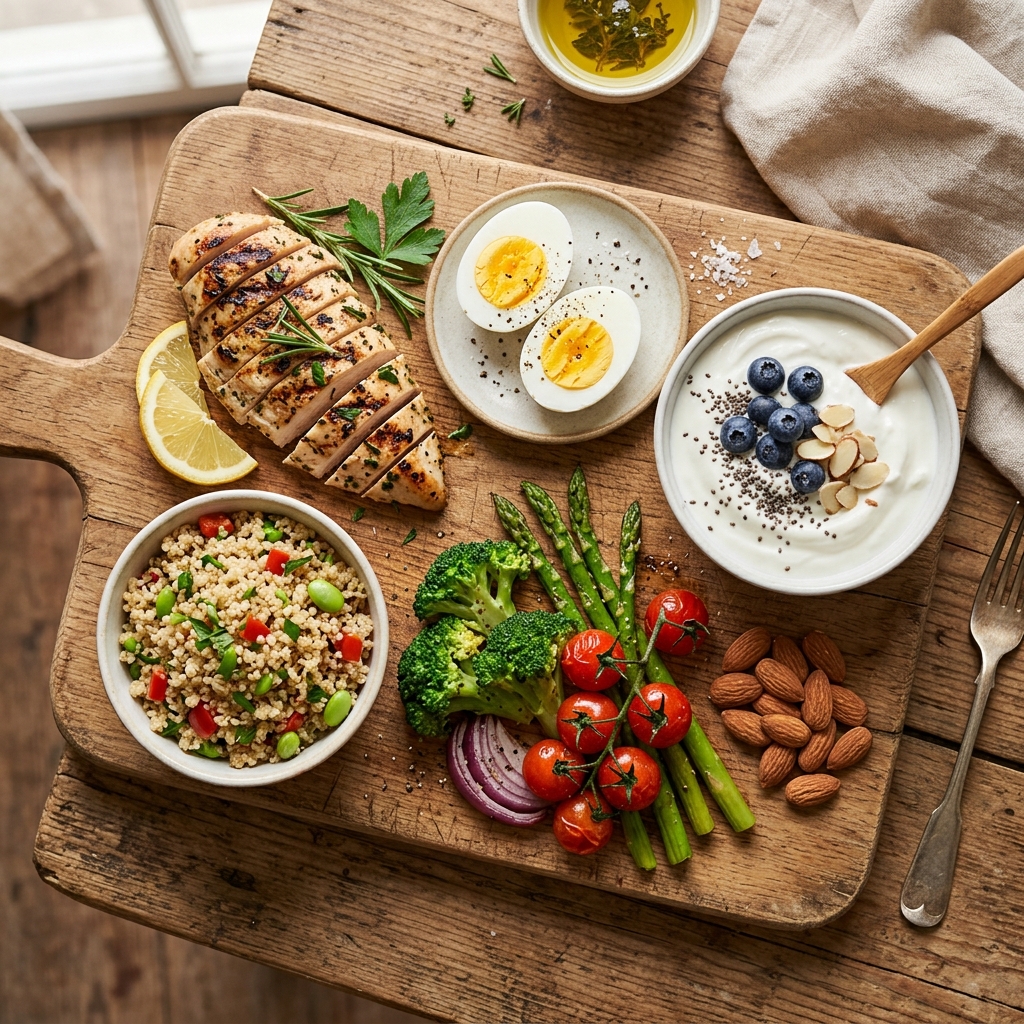
Next, eat your protein source—chicken, fish, tofu, eggs, or legumes—along with healthy fats like avocado, olive oil, or nuts. Protein and fat further slow digestion and help stabilize blood sugar. They also promote satiety, so you're less likely to overeat carbs later in the meal.
3. End with Carbs
Finally, eat your carbohydrate portion—whether it's rice, potatoes, pasta, or bread. By this point, your body is better prepared to handle the glucose load because the fiber and protein have already set the stage. You'll still enjoy your carbs, but your blood sugar will rise more gently and stay steadier.
Pro Tip: If you're eating a carb-heavy meal like pasta or sushi, start with a small salad or a handful of almonds. Even a few bites of fiber and protein before the carbs can cut the glucose spike by up to 30%.
Practical Steps to Eat for Constant Energy Without Cutting Carbs
Here's a step-by-step approach to implement these principles in your daily life:
Step 1: Upgrade Your Breakfast
Breakfast is where many people start the day with a glucose spike. Instead of a bagel with jam or sugary cereal, try a veggie omelet with a slice of whole-grain toast. The eggs provide protein and fat, while the toast offers slow-digesting carbs. If you're in a hurry, a smoothie with spinach, berries, and a scoop of protein powder works too—just blend the greens first, then add the fruit.
Step 2: Snack Smart
When you snack, combine carbs with protein or fat. An apple with peanut butter, Greek yogurt with berries, or whole-grain crackers with cheese are all excellent choices. Avoid snacking on pure carbs like pretzels or chips, which can cause a spike and crash.
Step 3: Don't Forget Hydration
Dehydration can impair blood sugar regulation and make fatigue worse. Aim for at least 2-3 liters of water daily, and consider adding a pinch of sea salt to your water to support electrolyte balance, especially if you exercise.
Step 4: Move After Meals
A short walk for 10-15 minutes after eating can significantly reduce post-meal glucose spikes. Even standing up and doing a few stretches helps your muscles take up glucose more efficiently.
Step 5: Consider Your Overall Protein Intake
As you age, your body becomes less responsive to protein, a phenomenon known as anabolic resistance. This means you need slightly higher protein intake to maintain muscle mass and support glucose metabolism. Aim for 1.2-1.6 grams of protein per kilogram of body weight daily, distributed across meals. For more guidance, check out our protein guide.
The Role of Supplements and Hormones
While food is the foundation, certain supplements can support stable blood sugar and energy. One of the most studied is creatine monohydrate, which not only enhances strength but also improves glucose uptake in muscles. Creatine has been shown to reduce post-meal glucose spikes and improve insulin sensitivity. For more on creatine's benefits, see our creatine guide.
Additionally, maintaining healthy hormone levels is crucial. Low testosterone in men can contribute to insulin resistance and fatigue. Optimizing your natural testosterone levels through sleep, stress management, and resistance training can have a profound effect on your energy and metabolic health.
Building a Foundation with Strength Training
Strength training is one of the most effective ways to improve glucose control because muscle is a major glucose sink. The more muscle you have, the better your body handles carbs. If you're new to lifting, start with a beginner strength training program that includes compound movements like squats, deadlifts, and presses. Aim for at least two to three sessions per week, and gradually increase intensity.
Sample Day of Eating for Constant Energy
Here's a sample menu that applies all these principles without cutting carbs:
- Breakfast: Veggie omelet (2 eggs, spinach, mushrooms) + 1 slice whole-grain toast + black coffee
- Mid-Morning Snack: Apple with 1 tbsp almond butter
- Lunch: Grilled chicken salad with mixed greens, avocado, cherry tomatoes, and a side of quinoa
- Afternoon Snack: Greek yogurt with a handful of berries
- Dinner: Baked salmon with roasted broccoli and a small sweet potato
- Evening Snack (optional): A few squares of dark chocolate (70%+) or a small bowl of berries
Conclusion: You Can Have Your Carbs and Energy Too
Constant energy after 40 isn't about deprivation—it's about working with your body's biology. By prioritizing fiber, protein, and fat before carbs, moving after meals, and supporting your metabolism with strength training and smart supplementation, you can enjoy all the foods you love while keeping your blood sugar steady and your energy high.
Start with one change today: try the food-order trick at your next meal. Small tweaks lead to lasting results. And if you're looking to optimize your nutrition further, explore our protein guide and creatine guide for more science-backed strategies.
Remember, the goal isn't to eliminate carbs—it's to master them. Your body will thank you with sustained energy, sharper focus, and a brighter mood.