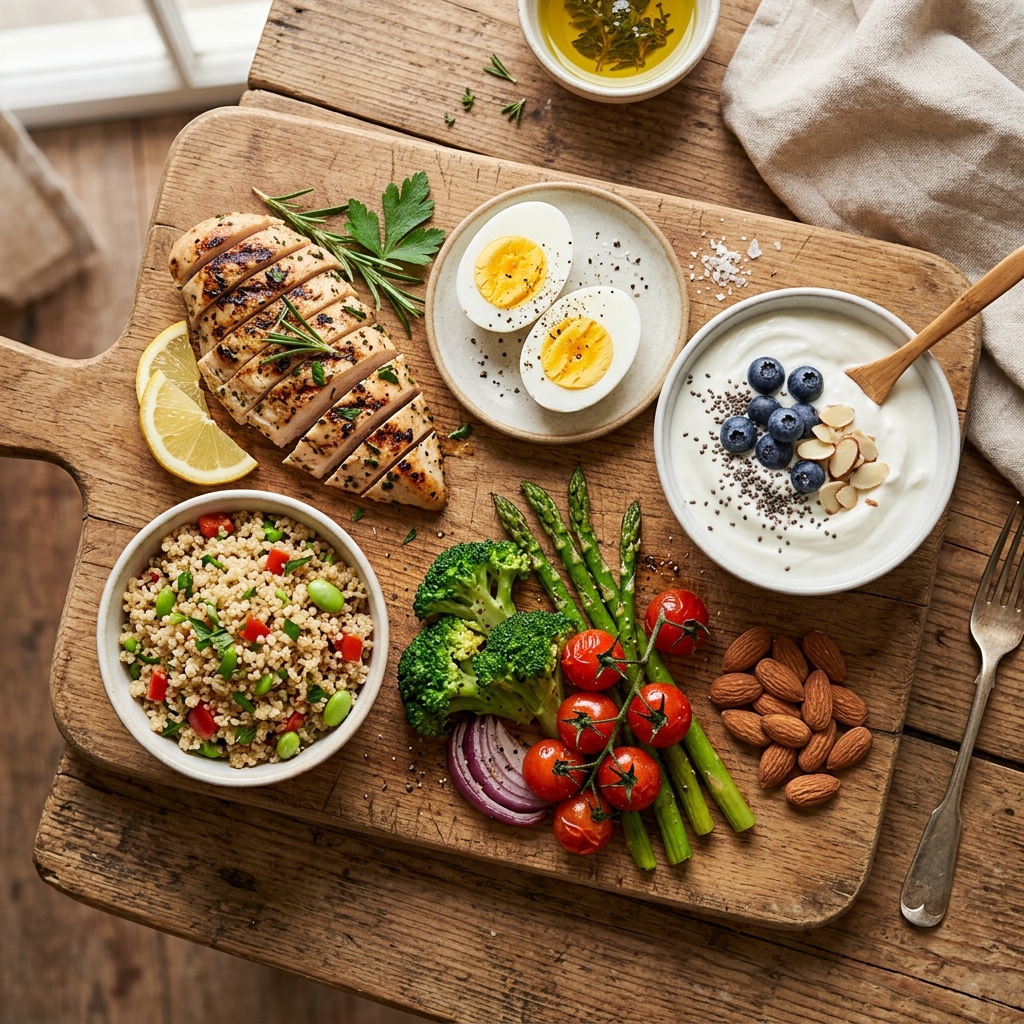
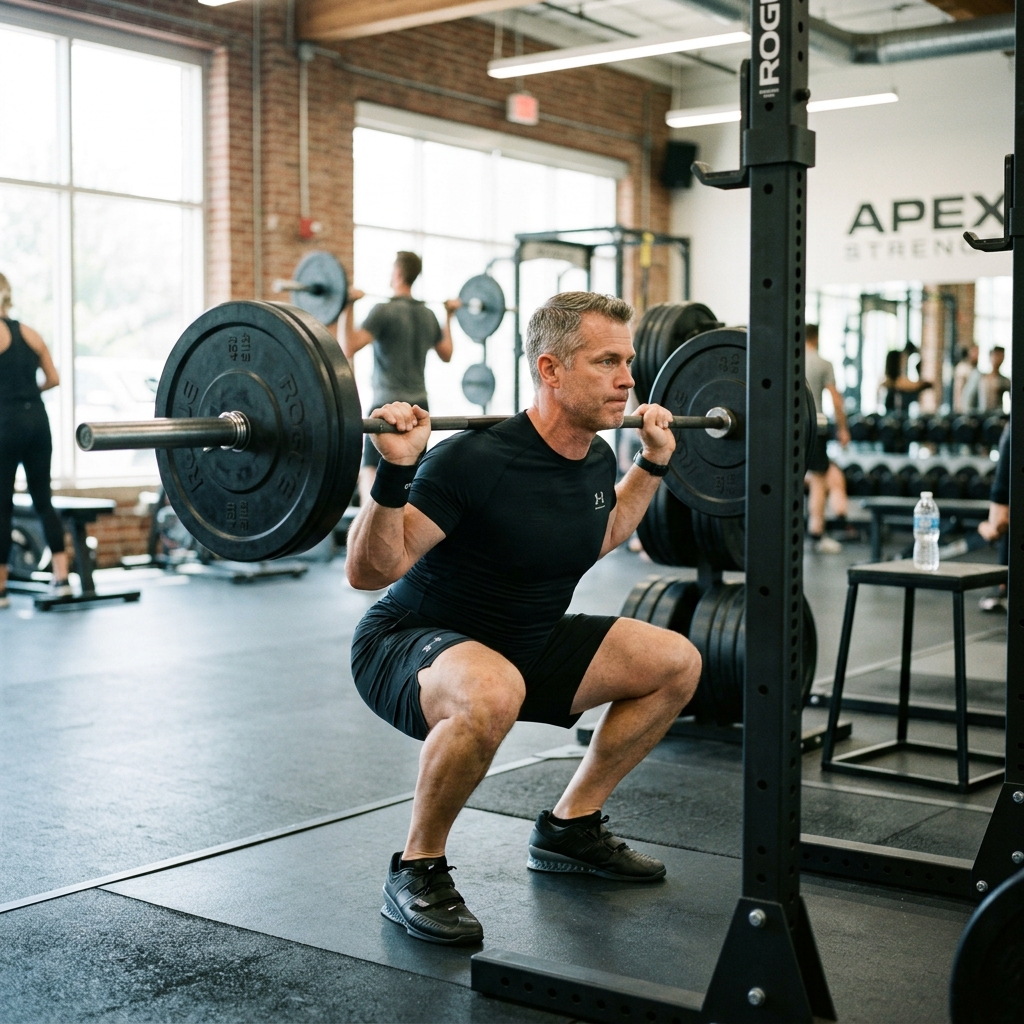
Turning 40 often feels like a turning point. Your metabolism slows, recovery takes longer, and that stubborn belly fat seems harder to shift. But here's the good news: you can absolutely build muscle strength after 40—and protein is your most powerful ally. The question is, how much do you really need? Let's cut through the hype and get to the science.
Why Protein Needs Change After 40
As you age, your body becomes less efficient at converting dietary protein into muscle. This phenomenon, known as anabolic resistance, means you need more protein per meal to trigger the same muscle-building response you got in your 20s. Additionally, age-related muscle loss—called sarcopenia—can accelerate if you don't provide your muscles with adequate building blocks.
Research suggests that adults over 40 may need up to 1.2–1.6 grams of protein per kilogram of body weight daily to support muscle strength and maintenance, compared to the general recommendation of 0.8 g/kg. For a 180-pound (82 kg) person, that's roughly 98–131 grams of protein per day.
But it's not just about the total amount. When you eat protein and how much per meal matters just as much.
The Magic Number: How Much Protein Per Meal?
Your muscles don't care about the daily total if it's all eaten in one sitting. They respond best to a steady supply of amino acids. Studies show that consuming 25–40 grams of high-quality protein per meal, spread across 3–4 meals, is optimal for muscle protein synthesis in older adults.
Pro Tip: Aim for at least 30 grams of protein at each main meal. If you're struggling to hit that, consider adding a scoop of collagen or whey protein to your morning smoothie. This simple habit can dramatically improve your daily intake.
Quality Matters: Complete vs. Incomplete Proteins
Not all proteins are created equal. Complete proteins—like meat, fish, eggs, dairy, and soy—contain all nine essential amino acids your muscles need. Incomplete proteins, such as beans and rice, can still be effective if combined strategically throughout the day.
For a practical guide on choosing the best sources, check out our BEST protein over 40 guide, which breaks down the top options for muscle growth and overall vitality.
How Protein Combines with Strength Training
Protein alone won't build muscle—you need a stimulus. Resistance training is the trigger that tells your body to use that protein for repair and growth. Without it, extra protein is simply converted to energy or stored as fat.
If you're new to lifting or need a structured plan, our strength training program over 40 is designed specifically for beginners, focusing on compound movements that give you the most bang for your buck.
The Role of Timing
Consistency beats timing for most people, but there are a few windows that can optimize results:
- Post-workout (within 2 hours): Consume 20–40 grams of protein to kickstart recovery.
- Before bed: A slow-digesting protein like casein (found in Greek yogurt or cottage cheese) can support overnight muscle repair.
- Breakfast: Many people skimp on protein in the morning, which can lead to overeating later. Aim for at least 30 grams.
Putting It All Together: A Step-by-Step Plan
Ready to take action? Here's a simple, science-backed plan to hit your protein goals and build strength after 40:
Step 1: Calculate Your Daily Target
Multiply your body weight in kilograms by 1.4 (a middle-ground for active adults). For example, 82 kg × 1.4 = 115 grams of protein per day.
Step 2: Divide It Across Meals
Aim for 4 eating occasions (breakfast, lunch, dinner, and one snack) with roughly 30 grams each. This ensures a steady amino acid supply.
Step 3: Prioritize Whole Foods First
Lean meats, fish, eggs, dairy, legumes, and soy should be your foundation. Whole foods provide additional nutrients like zinc, iron, and B12 that support energy and hormonal health.
Step 4: Fill Gaps with Supplements Wisely
If you struggle to hit your target, a high-quality protein powder can be a convenient addition. But be careful—not all supplements are worth your money. Our guide on The 4 Daily Supplements Worth Your Money (And 3 You Should Stop Buying) helps you separate the essentials from the fluff.
Step 5: Pair Protein with Strength Training
Commit to at least 2–3 resistance sessions per week. A minimalist approach can be highly effective—check out The Minimalist 3-Day Strength Routine for Muscle Mass and Joint Longevity for a time-efficient plan.
Realistic Expectations: What You Can Achieve After 40
You won't look like a 25-year-old bodybuilder, but you can absolutely increase lean muscle mass, boost your metabolism, and feel stronger than you did in your 30s. Studies show that consistent protein intake combined with progressive overload can increase muscle mass by 2–4% in just 3–6 months in older adults.
Common Mistakes to Avoid
- Eating too little protein: Many people over 40 underestimate their needs. Track your intake for a week to see where you stand.
- Relying on one giant protein shake: Your body can only absorb so much at once. Spread it out.
- Ignoring carbs and fats: Protein is crucial, but you still need adequate carbohydrates for energy and healthy fats for hormone production.
The Bigger Picture: Protein, Longevity, and Vitality
Building muscle isn't just about aesthetics—it's a key pillar of healthy aging. Muscle tissue is metabolically active, helps regulate blood sugar, and supports bone density. In fact, muscle mass is a strong predictor of longevity. And when you combine proper protein intake with other healthy habits, the results compound. Discover how daily habits can influence your biological age in our article on Biological Age vs. Chronological Age: 5 Daily Habits That Reverse the Clock.
For women over 40, protein needs are equally critical, especially during perimenopause. Our BEST RECIPES FOR WOMEN OVER 40 YEARS offers delicious, high-protein meal ideas to support your goals.
Final Takeaway
How much protein you need to build muscle strength after 40 is not a mystery. Aim for 1.2–1.6 grams per kilogram of body weight daily, spread across 3–4 meals, and pair it with consistent strength training. Start today—your future self will thank you.
Ready to take control? Start by tracking your protein for one day. You might be surprised at what you discover.