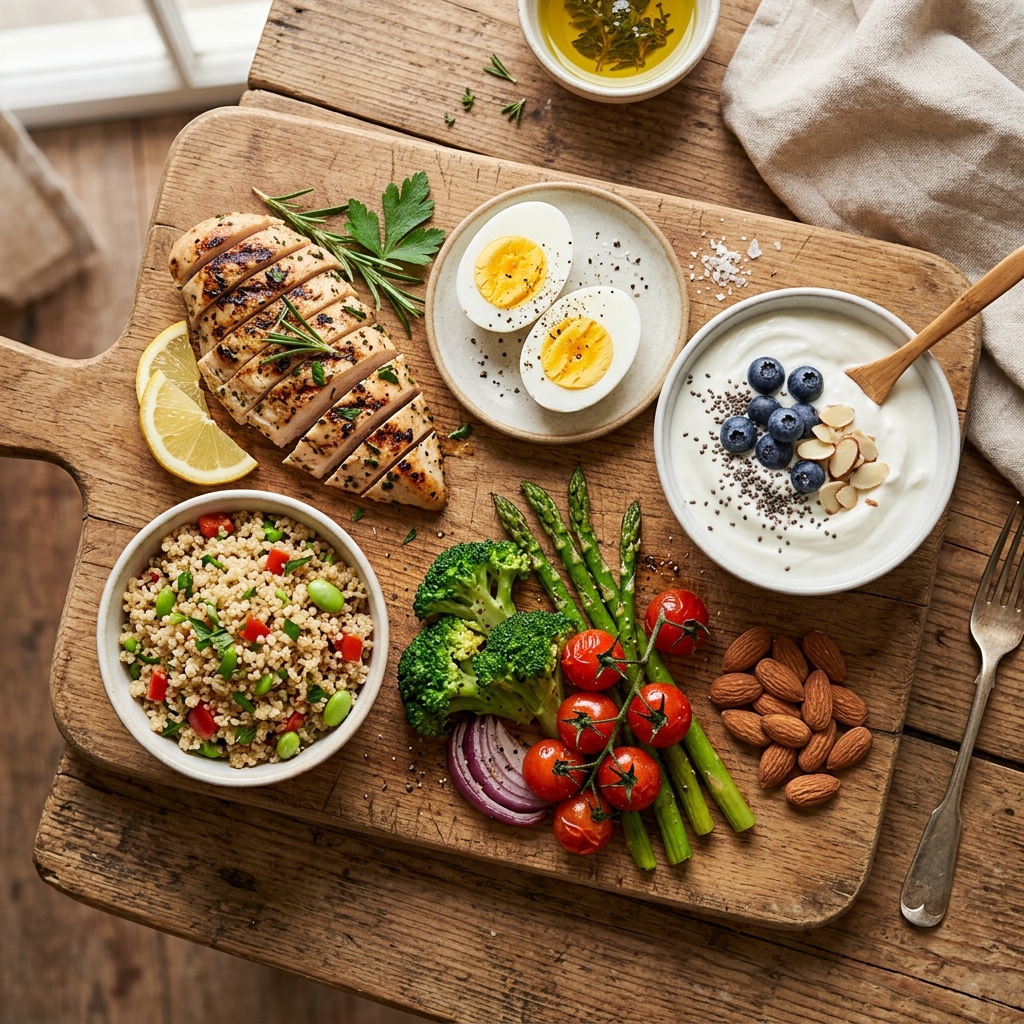
Introduction: Why Turning 40 Changes the Game
Hitting 40 is a milestone—but it’s also when your body starts to send you subtle signals. Maybe you’ve noticed that extra pound is harder to lose, your energy dips in the afternoon, or your joints complain after a workout. This isn’t just in your head. After 40, your body undergoes significant shifts: muscle mass declines, hormone levels naturally drop, and your metabolism slows down.
But here’s the good news: you have more control than you think. By understanding these changes and taking targeted action, you can not only stop the decline but actually reverse it. This guide will show you exactly how to be well after 40 years, using science-backed strategies that fit into your busy life.
Pro Tip: The key to thriving after 40 isn’t about doing more—it’s about doing what works. Focus on strength, protein, sleep, and stress management. These four pillars will give you the biggest return on your effort.
The Four Pillars of Wellness After 40
1. Build and Preserve Muscle Mass
Muscle is your metabolic currency. After 40, you lose 3-8% of your muscle mass per decade, a condition called sarcopenia. This not only affects your strength but also your insulin sensitivity, bone density, and overall metabolism.
Why muscle matters:
- Higher muscle mass = higher resting metabolic rate
- Better glucose control
- Improved joint stability and balance
- Increased longevity
To combat this, you need to prioritize a strength training program that targets all major muscle groups at least twice a week. Focus on compound movements like squats, deadlifts, push-ups, and rows. These exercises recruit the most muscle fibers and stimulate the greatest hormonal response.
2. Optimize Your Protein Intake
As you age, your body becomes less responsive to protein, a phenomenon known as anabolic resistance. This means you need more protein to trigger the same muscle-building response. While younger adults might thrive on 0.8g/kg, those over 40 often need 1.2-1.6g/kg of body weight.
For a 180-pound man, that’s roughly 100-130g of protein daily. For a 150-pound woman, about 80-100g. Spread this across 3-4 meals, with 30-40g per meal. This is where a protein guide can be invaluable.
Best protein sources:
- Lean meats (chicken, turkey, beef)
- Fish (salmon, tuna)
- Eggs and dairy
- Legumes and tofu
- High-quality protein powders
3. Support Your Hormones Naturally
Testosterone and other hormones naturally decline with age—about 1% per year after 30. This can lead to fatigue, low libido, and decreased muscle mass. But you don’t have to accept this as inevitable.
Natural ways to boost testosterone:
- Lift heavy weights: Resistance training, especially compound lifts, stimulates testosterone production.
- Get enough sleep: Poor sleep is a major killer of testosterone. Aim for 7-9 hours of quality rest.
- Manage stress: Chronic stress raises cortisol, which suppresses testosterone.
- Eat healthy fats: Monounsaturated and saturated fats are precursors to testosterone.
For a deeper dive, check out this testosterone guide that covers lifestyle and dietary strategies.
4. Prioritize Recovery and Sleep
Recovery isn’t a luxury—it’s a necessity. After 40, your body takes longer to repair, and sleep becomes even more critical. During deep sleep, your body releases growth hormone, which aids in muscle repair and fat loss.
Sleep tips for better recovery:
- Stick to a consistent sleep schedule
- Create a cool, dark, and quiet bedroom
- Avoid screens 1 hour before bed
- Limit caffeine after 2 PM
- Consider magnesium supplementation
Step-by-Step Action Plan to Be Well After 40
Now that you understand the pillars, here’s a practical 7-day plan to get you started.
Day 1: Assess Your Baseline
- Track your meals for a day to see your current protein intake.
- Measure your waist circumference and weight.
- Note your energy levels throughout the day.
Day 2: Strength Training #1
- Perform a full-body workout: squats, push-ups, rows, and planks.
- Use moderate weight that allows 8-12 reps with good form.
- Warm up for 5-10 minutes beforehand.
Day 3: Active Recovery
- Go for a 20-minute walk.
- Do gentle stretching or yoga.
- Focus on hydration—aim for 2-3 liters of water.
Day 4: Strength Training #2
- Change up the exercises: deadlifts, shoulder presses, lunges, and pull-ups.
- Increase weight slightly if you can maintain form.
Day 5: Cardio and Mobility
- Do 30 minutes of moderate cardio (brisk walking, cycling, swimming).
- Include 10 minutes of mobility work for hips, shoulders, and spine.
Day 6: Nutrition Focus
- Plan your meals for the week, ensuring each meal has a palm-sized protein source.
- Prep healthy snacks like Greek yogurt, nuts, or hard-boiled eggs.
Day 7: Rest and Reflect
- Take a full rest day.
- Review your week: what worked? What didn’t?
- Celebrate your wins and adjust for next week.
The Role of Supplements
While food should always come first, certain supplements can fill gaps and enhance your results.
Top supplements for over 40:
- Creatine monohydrate: Backed by decades of research, creatine improves strength, muscle mass, and even cognitive function. It’s one of the safest and most effective supplements available. Learn more in this creatine guide.
- Vitamin D: Essential for bone health and immune function.
- Omega-3 fatty acids: Reduce inflammation and support heart health.
- Magnesium: Aids sleep and muscle relaxation.
Remember, supplements are called supplements for a reason—they complement, not replace, a healthy diet.
Common Pitfalls to Avoid
1. Overtraining
More is not better. Your recovery capacity diminishes with age, so ensure you have rest days and listen to your body. Quality over quantity.
2. Neglecting Mobility
Flexibility and joint health are often overlooked. Incorporate mobility work into your routine to prevent injuries and maintain range of motion.
3. Ignoring Stress
Chronic stress accelerates aging. Find stress-reducing activities that work for you—meditation, deep breathing, hobbies, or spending time in nature.
Conclusion: Your Best Years Are Ahead
Learning how to be well after 40 years isn’t about turning back the clock—it’s about making the most of the time ahead. By focusing on muscle, protein, hormones, and recovery, you can build a body that feels strong, energetic, and resilient.
Start small. Pick one pillar to focus on this week. Add another next week. Before you know it, you’ll have a sustainable routine that keeps you vibrant for decades to come.
Remember, it’s never too late to start. Your 40s and beyond can be the most vital years of your life—if you choose to make them so.