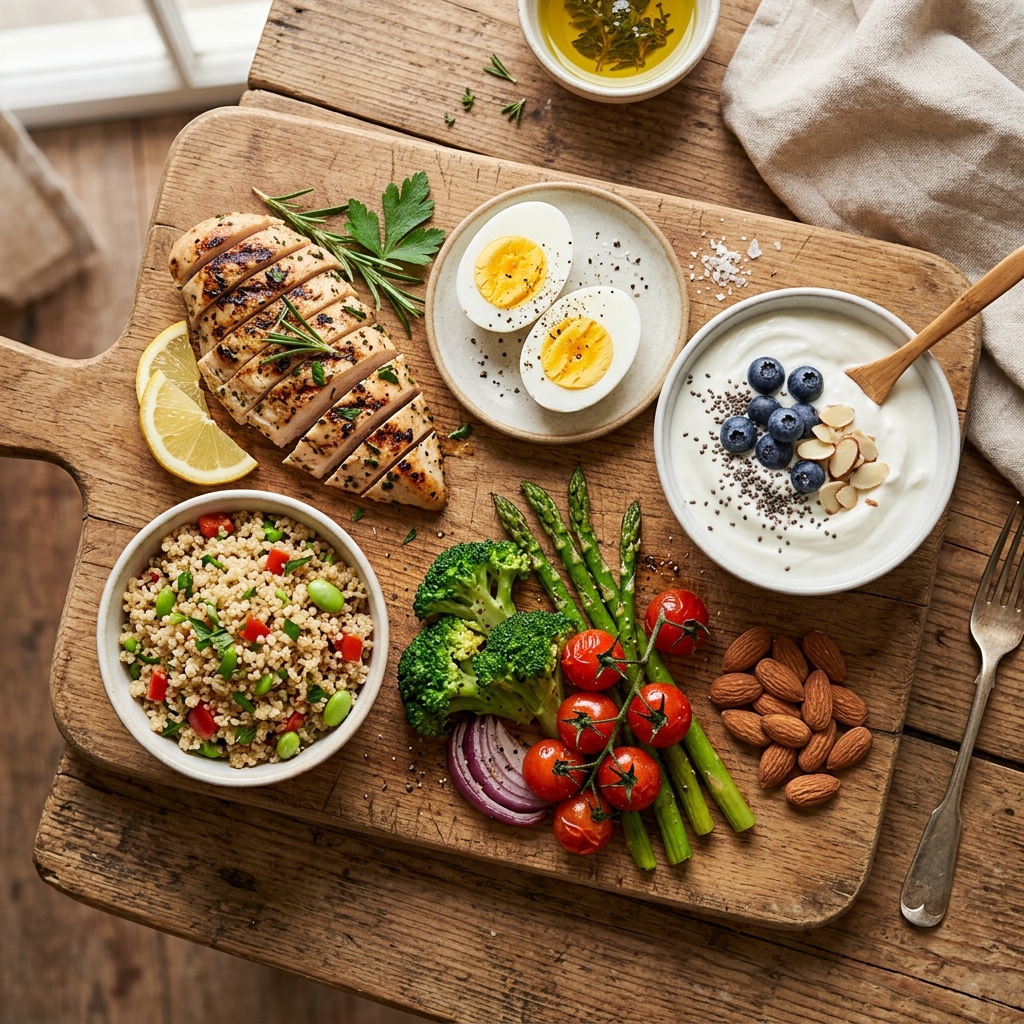
Why Protein Over 40 Is a Game-Changer
If you’re over 40, you’ve probably noticed changes in your body—a slower metabolism, more stubborn fat, and maybe a little less strength. The culprit isn’t just age; it’s a decline in muscle mass and a condition called anabolic resistance. This is exactly why optimizing your protein over 40 is non-negotiable for staying lean, strong, and vital.
Your body’s ability to build and repair muscle diminishes with each passing decade. To counteract this, you need to be more intentional about your protein intake and overall nutrition. In this guide, we’ll cover everything from how much you need to the best sources and timing strategies.
Pro Tip: Aim for 30-40 grams of high-quality protein per meal, especially at breakfast and post-workout. This helps overcome anabolic resistance and keeps your metabolism firing.
Understanding Anabolic Resistance After 40
Anabolic resistance refers to the reduced sensitivity of your muscles to dietary protein. Younger bodies can efficiently use smaller amounts of protein, but after 40, your muscles require a larger dose to trigger the same building response. This is why simply eating the same way you did in your 20s won’t cut it.
To combat this, research suggests increasing your daily protein needs to 1.6-2.2 grams per kilogram of body weight. For a 180-pound man, that’s roughly 130-180 grams of protein per day. For a 150-pound woman, it’s 110-150 grams.
How Much Protein Over 40 Do You Really Need?
Let’s break it down into a simple table so you can find your target at a glance.
| Weight (lbs) | Weight (kg) | Minimum Protein (g) | Optimal Protein (g) |
|--------------|-------------|---------------------|---------------------|
| 140 | 63.5 | 102 | 140 |
| 160 | 72.6 | 116 | 160 |
| 180 | 81.6 | 131 | 180 |
| 200 | 90.7 | 145 | 200 |
| 220 | 99.8 | 160 | 220 |
Note: These ranges are based on active individuals. Sedentary people may need slightly less, but most over 40 benefit from the higher end.
Best Protein Sources for Men and Women Over 40
Not all protein is created equal. For maximum muscle synthesis, focus on complete proteins that contain all essential amino acids, especially leucine.
Animal-Based Sources
- Whey protein: Fast-digesting, high in leucine. Great post-workout.
- Eggs: One large egg has 6g protein. Eat the yolk for nutrients.
- Chicken breast: Lean, versatile, and 31g protein per 100g.
- Fish: Salmon and tuna provide protein plus omega-3s for joint and heart health.
- Greek yogurt: Strained yogurt packs 15-20g protein per serving.
Plant-Based Sources
- Soy (tofu, edamame): Complete protein with all amino acids.
- Lentils and beans: Combine with grains for a complete profile.
- Quinoa: A rare plant-based complete protein.
- Hemp seeds: 10g protein per 3 tablespoons.
Timing Your Protein for Maximum Results
When you eat protein matters just as much as how much. Spreading intake evenly across 3-4 meals optimizes muscle protein synthesis throughout the day.
Sample Day of Protein Timing
- Breakfast (7:00 AM): 3 eggs + 1 cup Greek yogurt = 35g protein
- Lunch (12:30 PM): 6 oz grilled chicken salad = 45g protein
- Snack (4:00 PM): Protein shake with whey or plant protein = 30g protein
- Dinner (7:30 PM): 6 oz salmon + quinoa = 45g protein
Total: ~155g protein
For an extra edge, consider a pre-sleep protein dose. Casein protein before bed provides a slow release that can reduce muscle breakdown overnight.
The Role of Supplements: Creatine and More
While whole foods should be your foundation, certain supplements can amplify your results. One of the most researched is creatine monohydrate, which enhances strength, power, and muscle recovery. It’s particularly effective for men and women over 40 who want to maintain muscle mass and cognitive function.
Another key area is supplement timing—taking creatine consistently (3-5g daily) yields the best benefits. Pair it with your post-workout protein shake for optimal uptake.
Strength Training: The Essential Partner to Protein
Protein alone won’t build muscle. You need a stimulus—specifically, a strength training program that challenges your muscles progressively. Focus on compound lifts like squats, deadlifts, push-ups, and rows. Aim for 2-3 sessions per week, and don’t shy away from heavy weights (within safe form).
If you’re new to lifting, start with a beginner workout that emphasizes full-body movements. As you gain strength, increase volume and intensity to continue building muscle mass.
Hormone Health and Protein Over 40
Your hormones play a huge role in how your body uses protein. Declining natural testosterone levels can hinder muscle growth and recovery. Supporting hormone levels through diet, exercise, and lifestyle—including optimizing sleep—is critical. Aim for 7-9 hours of quality sleep per night, as this is when your body repairs and builds tissue.
Common Mistakes to Avoid
Even with good intentions, many people over 40 sabotage their protein goals. Here are the top pitfalls:
- 1.Skipping breakfast: You miss a key opportunity to stimulate muscle synthesis early.
- 2.Relying on one large dinner: Your body can only use so much protein at once. Spread it out.
- 3.Choosing low-quality protein: Processed meats and low-quality powders lack essential nutrients.
- 4.Ignoring hydration: Protein metabolism requires water. Drink plenty.
- 5.Neglecting recovery: Overtraining without adequate protein and rest leads to muscle loss.
Practical 7-Day High-Protein Meal Plan
Here’s a simple template to hit your protein goals without overcomplicating things.
- Day 1: Oatmeal with whey + berries; turkey wrap with veggies; grilled salmon + sweet potato + broccoli
- Day 2: Greek yogurt parfait; chicken salad with quinoa; beef stir-fry with bell peppers
- Day 3: Scrambled eggs + spinach; tuna salad on whole grain; lentil soup + chicken breast
- Day 4: Protein smoothie; cottage cheese + fruit; pork tenderloin + roasted vegetables
- Day 5: Cottage cheese pancakes; turkey meatballs + marinara + zucchini noodles; shrimp + brown rice
- Day 6: Egg muffins; beef jerky + almonds; cod + asparagus + sweet potato
- Day 7: Protein pancakes; chicken thigh + kale salad; tofu stir-fry with vegetables
Conclusion: Your Protein Over 40 Action Plan
Optimizing protein over 40 is one of the most impactful steps you can take for your health, fitness, and longevity. By increasing your intake, timing it wisely, pairing it with strength training, and supporting your hormones, you can build and maintain muscle, boost your metabolism, and feel stronger than ever.
Start today by calculating your target protein intake, planning your meals around whole food sources, and committing to a consistent workout routine. Your future self will thank you.
Remember: It’s never too late to invest in your health. Consistency beats perfection every time.