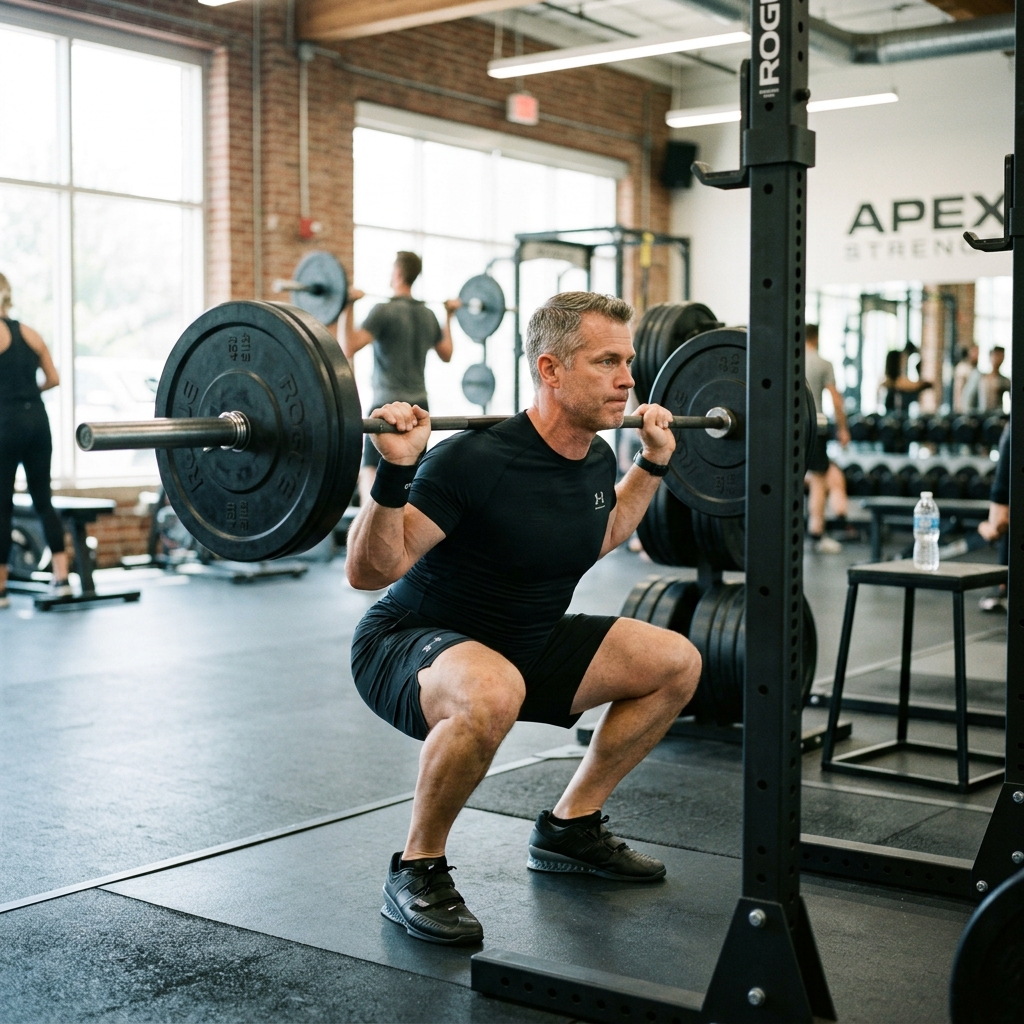
Why Workout and Recovery Change After 40
If you’re a man over 40, you’ve probably noticed that your body doesn’t bounce back from workouts the way it used to. That’s not your imagination — it’s biology. After 40, natural testosterone levels begin to decline, muscle protein synthesis becomes less responsive (a phenomenon called anabolic resistance), and recovery times lengthen.
But here’s the good news: you can absolutely build muscle, increase strength, and maintain high energy levels well into your 40s, 50s, and beyond. The key is to shift from a “grind harder” mindset to a “train smarter and recover better” approach.
This guide is your complete roadmap for workout and recovery over 40 years man — covering strength training, nutrition, sleep, stress management, and the supplements that actually work.
Pro Tip: The single most important change you can make after 40 is prioritizing recovery as much as your workout. Without proper recovery, your training gains will plateau and your risk of injury skyrockets.
The Science of Aging and Muscle: What Changes After 40
Hormonal Shifts
Testosterone is the primary anabolic hormone in men, and it starts to decline about 1% per year after age 30. By 40, many men experience a noticeable drop in energy, libido, and muscle-building capacity. But you can combat this with targeted strength training program and lifestyle interventions.
Anabolic Resistance
Your muscles become less sensitive to protein intake, meaning you need more protein to trigger the same amount of muscle repair. This is why protein needs increase after 40 — aiming for 1.6–2.2 grams per kilogram of body weight per day is a smart target.
Slower Recovery
Inflammation, oxidative stress, and reduced blood flow all contribute to longer recovery times. Your joints may ache more, and you might feel sore for two or three days after a tough leg day. This isn’t a sign to give up — it’s a sign to adjust your approach.
The Over-40 Workout Blueprint
1. Prioritize Compound Lifts
Exercises that work multiple muscle groups at once — squats, deadlifts, bench presses, rows, pull-ups — are your best friends. They stimulate the most muscle fibers, boost natural testosterone release, and improve functional fitness.
2. Train 3–4 Days Per Week
More is not better. After 40, your central nervous system needs more time to recover. A full-body routine three times a week, or an upper/lower split four times a week, is ideal.
3. Use Progressive Overload Smartly
Add weight or reps slowly — 2–5% increases per week. Rushing leads to injury. Track your workouts and aim to beat your previous performance by a small margin each session.
4. Include Mobility and Core Work
Spend 10 minutes before each workout on dynamic stretching and activation drills. Add 10 minutes of core and mobility work after training. This prevents back pain, improves posture, and keeps you lifting for decades.
5. Don’t Skip Cardio
Two to three sessions of low-to-moderate intensity cardio per week (brisk walking, cycling, swimming) support heart health, fat loss, and recovery. Keep it at a conversational pace.
Recovery: The Missing Piece for Men Over 40
Sleep Is Non-Negotiable
Sleep is when your body repairs muscle, balances hormones, and clears metabolic waste. Aim for 7–9 hours of quality sleep per night. If you struggle with sleep, focus on optimizing sleep hygiene: dark room, cool temperature, no screens an hour before bed.
Active Recovery
On your days off, do light activity: walking, yoga, or foam rolling. This increases blood flow to sore muscles and speeds up repair without adding fatigue.
Nutrition for Recovery
- Protein: Distribute your intake evenly across 3–4 meals. Aim for 30–40 grams of protein per meal to overcome anabolic resistance. Check our protein guide for meal ideas.
- Carbohydrates: Replenish glycogen stores after workouts with quality carbs like oats, sweet potatoes, or rice.
- Healthy Fats: Omega-3s from fish or flaxseed reduce inflammation and support joint health.
- Hydration: Even mild dehydration impairs recovery. Drink water consistently throughout the day.
Supplements That Work
- [Creatine monohydrate](/creatine-for-men-over-40-complete-guide/) : The most researched supplement for strength and muscle. Take 5 grams daily. It also supports brain health.
- Vitamin D: Many men over 40 are deficient. Get levels tested and supplement if needed.
- Magnesium: Helps with sleep, muscle relaxation, and testosterone production.
- Whey or plant protein: Convenient way to hit your protein targets, especially post-workout.
Step-by-Step Weekly Routine for the Over-40 Man
Monday: Full Body Strength
- Squat: 3 sets of 8–10 reps
- Bench Press: 3 sets of 8–10 reps
- Bent-Over Row: 3 sets of 10–12 reps
- Plank: 3 sets of 30–60 seconds
- Cardio: 20 minutes brisk walk
Tuesday: Active Recovery
- 30-minute walk or light cycling
- Foam rolling and stretching
Wednesday: Full Body Strength
- Deadlift: 3 sets of 6–8 reps
- Overhead Press: 3 sets of 8–10 reps
- Pull-Ups or Lat Pulldowns: 3 sets to failure
- Farmer’s Walk: 3 sets of 30 seconds
- Core: Hanging leg raises 3 sets of 8–12
Thursday: Active Recovery
- Yoga or mobility flow 20–30 minutes
Friday: Full Body Strength
- Lunges: 3 sets of 10–12 per leg
- Incline Press: 3 sets of 8–10 reps
- Face Pulls: 3 sets of 15 reps (shoulder health)
- Dead Bug: 3 sets of 10 per side
- Cardio: 20 minutes moderate cycling
Saturday: Low-Intensity Cardio
- 40-minute hike or swim
Sunday: Complete Rest
Common Mistakes Men Over 40 Make (And How to Avoid Them)
- 1.Overtraining: More volume doesn’t equal more gains. Listen to your body and take rest days seriously.
- 2.Ignoring Pain: Sharp pain is a red flag. Don’t push through it — get it checked.
- 3.Poor Form: Ego lifting leads to injury. Use proper technique even if it means lighter weight.
- 4.Skipping Warm-Ups: Cold muscles tear more easily. Always warm up for 5–10 minutes.
- 5.Neglecting Nutrition: You can’t out-train a poor diet. Prioritize protein intake and whole foods.
Conclusion
Building and maintaining muscle after 40 is not only possible — it’s one of the best things you can do for your long-term health, vitality, and confidence. The formula is simple: train smart, eat enough protein, prioritize sleep, and manage stress.
Start with the routine above, adjust based on how you feel, and be consistent. Your 40s and beyond can be your strongest decades yet.
Remember: workout and recovery over 40 years man is about balance, not brutality. Respect your body’s needs, and it will reward you with strength, energy, and resilience for years to come.