Introduction: The Belly Fat Battle After 40
If you're over 40, you've probably noticed that stubborn belly fat doesn't respond to exercise the way it used to. You might be wondering: Zone 2 Cardio vs. HIIT: Which One Actually Burns Belly Fat Faster? The answer isn't as simple as you might think. Both methods have passionate advocates, but the science reveals a more nuanced picture—especially for men and women navigating the hormonal and metabolic shifts of their 40s and beyond.
In this comprehensive guide, we'll break down the physiological differences between Zone 2 cardio and HIIT, examine their impact on belly fat, and give you a practical, sustainable approach that leverages the best of both worlds.
Understanding Zone 2 Cardio and HIIT
Before we dive into the fat-burning debate, let's define our contenders clearly.
What is Zone 2 Cardio?
Zone 2 cardio is low-to-moderate intensity exercise performed at 60-70% of your maximum heart rate. Think of a pace where you can hold a conversation but would prefer not to sing. Typical examples include brisk walking, cycling, jogging, or using an elliptical. In this zone, your body primarily uses fat as fuel because the intensity is low enough that oxygen is readily available for fat oxidation.
What is HIIT?
HIIT (High-Intensity Interval Training) alternates short bursts of near-maximal effort (80-95% max heart rate) with periods of recovery. Sessions are typically 15-25 minutes and can involve sprints, battle ropes, or bodyweight exercises like burpees. HIIT is famous for its efficiency and the "afterburn effect" (excess post-exercise oxygen consumption, or EPOC).
The Science of Belly Fat: Why Over-40s Face a Unique Challenge
Belly fat, or visceral fat, is more than just a cosmetic nuisance—it's metabolically active and linked to increased risk of cardiovascular disease, insulin resistance, and inflammation. After age 40, several factors make belly fat harder to lose:
- Hormonal changes: Declining natural testosterone levels in men (and estrogen in women) alter fat distribution, favoring abdominal storage.
- Metabolic slowdown: Muscle mass naturally decreases with age, reducing your resting metabolic rate.
- Insulin sensitivity: Cells become less responsive to insulin, promoting fat storage.
Both Zone 2 and HIIT can help, but they target different mechanisms.
Zone 2 Cardio vs. HIIT: The Belly Fat Showdown
Fat Oxidation vs. Caloric Burn
Zone 2 cardio is a champion of fat oxidation. During a 45-minute session, a significant percentage of the calories burned come from fat. However, the total calorie burn is relatively modest. For example, a 180-pound person might burn 300-400 calories in 45 minutes of Zone 2, with about 50-60% from fat.
HIIT burns more calories per minute (roughly 400-500 in 20 minutes), but the percentage from fat is lower during the workout. The magic of HIIT lies in EPOC—your body continues to burn calories at an elevated rate for hours after the session, and some of that recovery energy comes from fat stores.
Verdict: In terms of immediate fat oxidation, Zone 2 wins. In terms of total calorie burn (including afterburn), HIIT may have a slight edge. But belly fat loss is ultimately about overall energy balance and hormonal improvements.
The Role of Cortisol and Stress
This is where the over-40 crowd must be careful. HIIT is a potent stressor. While acute stress from HIIT can enhance fat burning, chronic high cortisol (often from overdoing HIIT without adequate recovery) can promote abdominal fat storage. After 40, your stress response is often already elevated due to work, family, and sleep issues. Adding too much HIIT can backfire.
Zone 2 cardio, on the other hand, is a low-stress activity that helps lower cortisol levels and improve parasympathetic tone. It's also excellent for optimizing sleep, which is critical for hormone balance and fat loss.
Muscle Preservation and Metabolic Health
Belly fat loss isn't just about the scale—it's about body composition. HIIT can help preserve muscle mass, especially when combined with a strength training program. Muscle is metabolically active and helps you burn more calories at rest. Zone 2 cardio does not directly build muscle, but it improves mitochondrial function and insulin sensitivity, which are crucial for metabolic health.
Key point: Both modalities improve insulin sensitivity, but through different pathways. HIIT does so rapidly, while Zone 2 does so through sustained aerobic adaptations.
The Practical Answer: Which One Actually Burns Belly Fat Faster?
Based on current research, HIIT may burn belly fat slightly faster in the short term due to its high calorie burn and EPOC. However, for most over-40 individuals, Zone 2 cardio is more sustainable and has a lower risk of burnout or injury. The real answer is that you need both—but in the right balance.
Why Over-40s Should Prioritize Zone 2
- Joint-friendly: Low impact reduces risk of injury.
- Consistency: You can do it daily without excessive fatigue.
- Hormone-friendly: Supports testosterone and cortisol balance.
- Base building: Improves aerobic fitness, which enhances your ability to recover from HIIT and strength training.
When to Incorporate HIIT
- Time-efficient: When you're short on time.
- Breaking plateaus: When you need a metabolic spark.
- After building a base: Start with just 1-2 sessions per week.
A Step-by-Step Plan to Burn Belly Fat After 40
Here's a practical weekly plan that combines both methods for optimal results:
Step 1: Establish Your Zone 2 Baseline
- Determine your maximum heart rate (approx. 220 - age). Your Zone 2 is 60-70% of that.
- For a 50-year-old, that's roughly 102-119 bpm.
- If you don't have a heart rate monitor, use the "talk test."
Step 2: Build a Zone 2 Foundation (Weeks 1-2)
- Perform 3-4 Zone 2 sessions per week, each 30-45 minutes.
- Choose activities you enjoy: brisk walking, cycling, swimming, or rowing.
- Keep the intensity conversational.
Step 3: Introduce HIIT Gradually (Week 3+)
- Start with 1 HIIT session per week, replacing one Zone 2 session.
- Example session: 5-minute warm-up, then 6 rounds of 30 seconds at 85-90% effort, followed by 90 seconds of easy recovery. Finish with a 5-minute cool-down.
- Gradually increase to 2 sessions per week if recovery allows.
Step 4: Don't Forget Strength Training
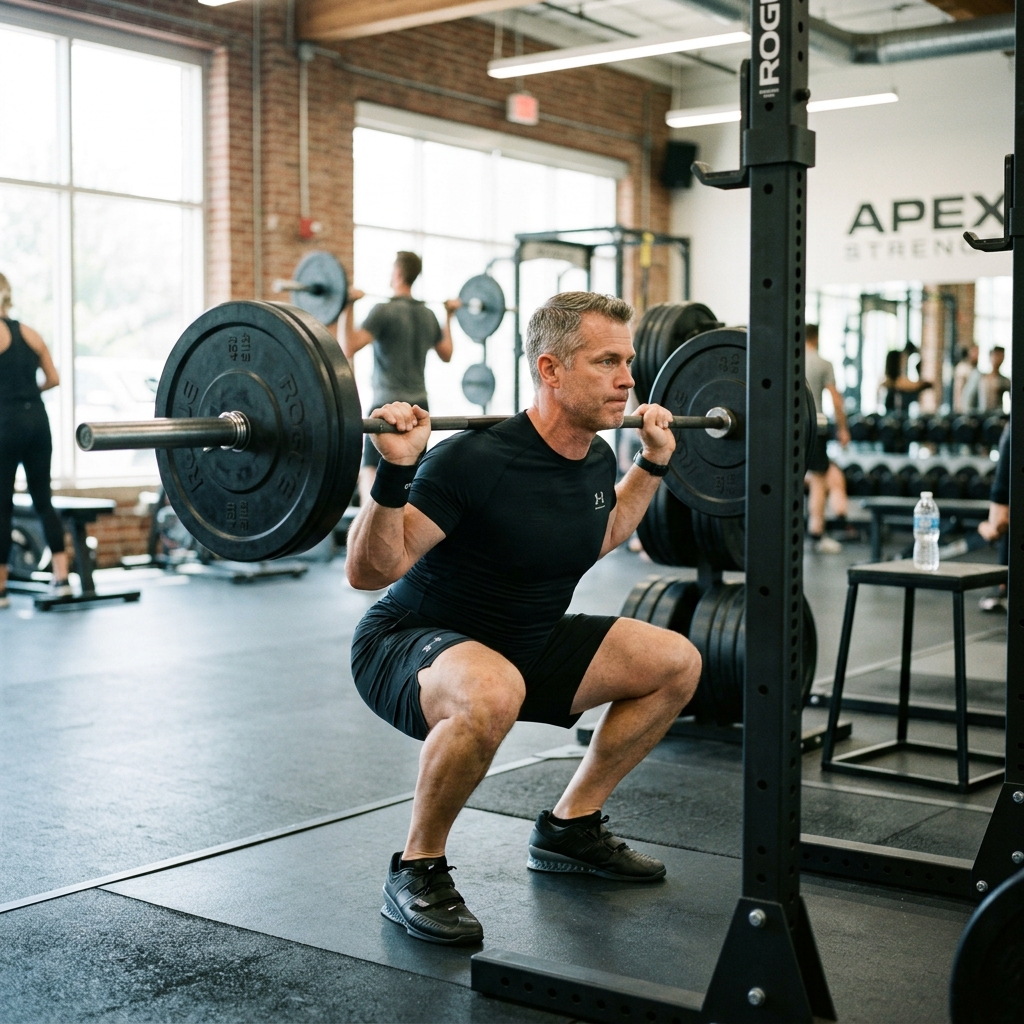
- Aim for 2-3 strength training sessions per week to preserve and build muscle mass, which boosts your metabolism.
- Focus on compound lifts like squats, deadlifts, and presses.
Step 5: Optimize Nutrition and Protein Intake
- Belly fat loss requires a slight calorie deficit (about 300-500 calories below maintenance).
- Ensure adequate protein intake to support muscle preservation and satiety. Aim for 1.6-2.2 grams per kilogram of body weight.
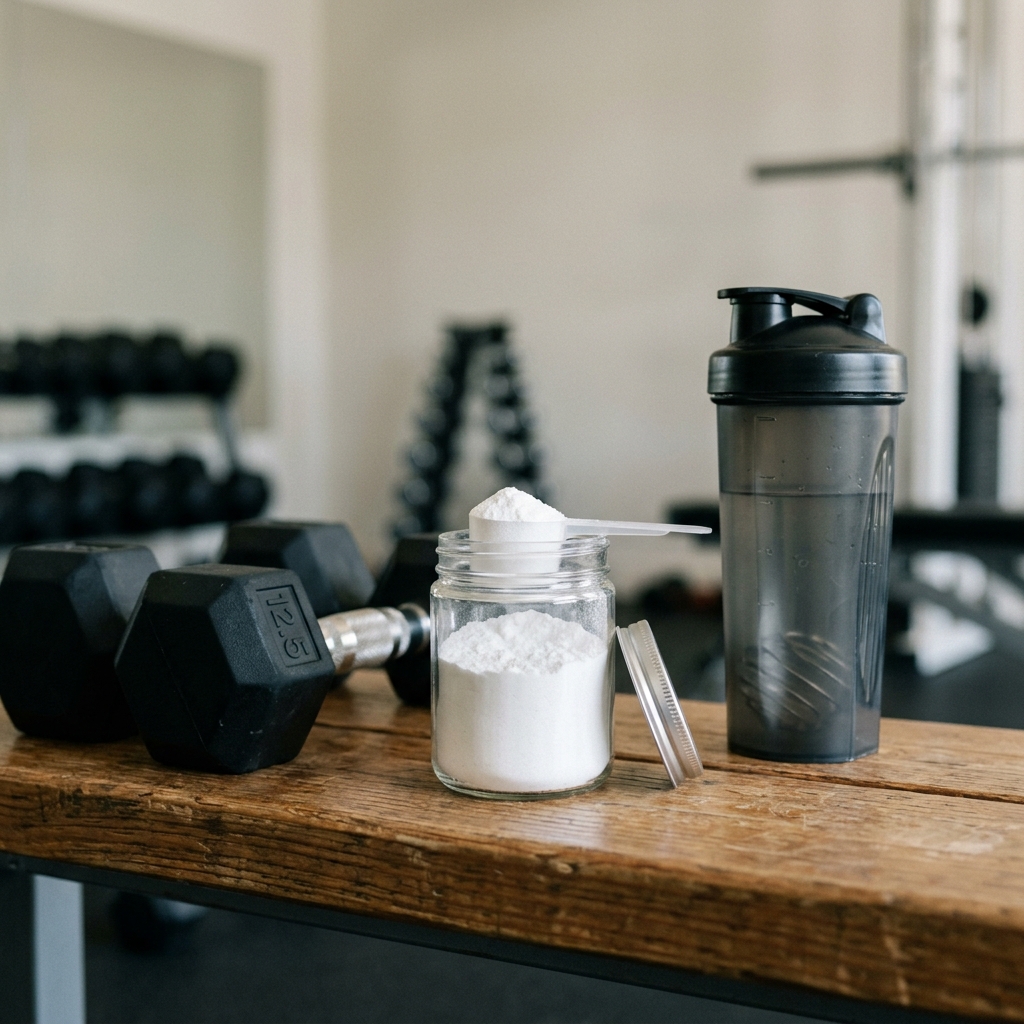
- Consider creatine monohydrate to enhance performance and muscle recovery.
Pro Tip: Don't chase perfection. The best workout is the one you can sustain consistently. If HIIT leaves you feeling drained and sore for days, cut back and focus on more Zone 2. Listen to your body—recovery is where the magic happens.
Common Mistakes to Avoid
- Overdoing HIIT: More is not better. Too much HIIT can elevate cortisol and impair recovery.
- Ignoring Zone 2: Many people skip low-intensity work, thinking it's a waste of time. It's the foundation of fat burning.
- Neglecting sleep: Poor sleep sabotages fat loss and hormone balance. Aim for 7-9 hours of quality sleep.
- Not tracking progress: Use measurements (waist circumference, photos, how clothes fit) in addition to the scale.
Conclusion: The Winning Strategy for Belly Fat After 40
So, Zone 2 Cardio vs. HIIT: Which One Actually Burns Belly Fat Faster? The evidence suggests that HIIT can produce faster short-term results, but Zone 2 cardio is the sustainable, long-term winner for over-40s. The ultimate answer is to combine both: prioritize Zone 2 as your base, sprinkle in HIIT 1-2 times per week, and support it all with strength training and smart nutrition.
Remember, consistency beats intensity. Start with the plan above, adjust based on how you feel, and you'll be on your way to losing belly fat and improving your health for decades to come.
Your Next Step
If you're ready to take control of your body composition, begin with a 4-week commitment to the plan above. Track your waist measurements and energy levels. You might be surprised at how quickly your body responds when you give it the right balance of low and high intensity.
For more personalized guidance on strength training and hormone optimization, check out our comprehensive guides.