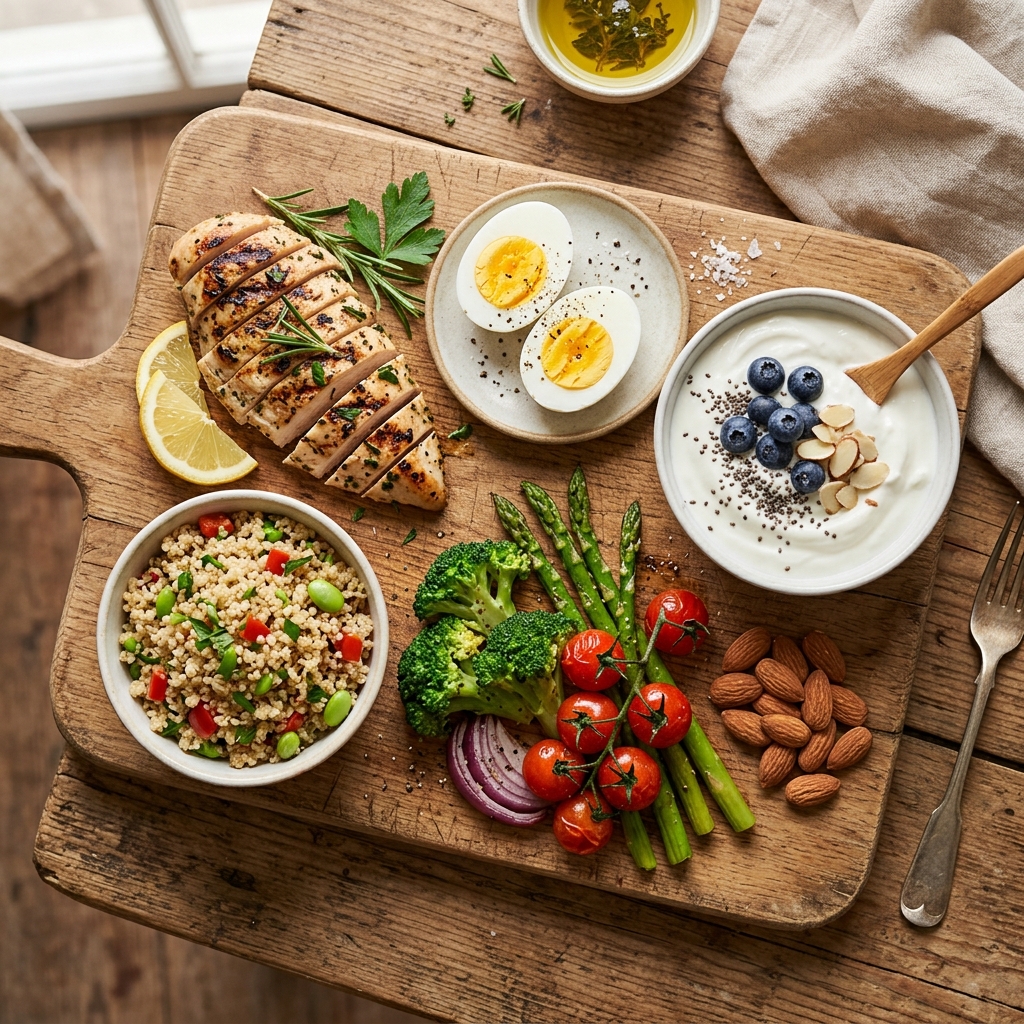
Turning 40 is a milestone, but for many, it’s also when those little aches and stiffness start to creep in. That morning knee creak or the hip that complains after a long car ride isn’t just “getting older”—it’s often low-grade chronic inflammation. While joint pain after 40 can feel inevitable, your diet is a powerful tool to fight back. By focusing on anti-inflammatory foods, you can reduce swelling, protect cartilage, and keep moving with vitality.
Why Joint Pain Increases After 40
After 40, several biological shifts make your joints more vulnerable:
- Collagen production declines – Cartilage, the cushion between your bones, relies on collagen. Production drops about 1% per year after age 20, accelerating after 40.
- Inflammatory markers rise – Chronic low-level inflammation (often driven by visceral fat, poor sleep, and processed foods) can accelerate joint wear.
- Muscle mass decreases – Less muscle support means more stress on joints.
But here’s the good news: what you eat can directly influence inflammation. The right foods can lower C-reactive protein (CRP) and inflammatory cytokines, while the wrong ones can fuel the fire.
The Top Anti-Inflammatory Foods for Joint Pain After 40
1. Fatty Fish Rich in Omega-3s
Omega-3 fatty acids, particularly EPA and DHA, are among the most studied anti-inflammatories. They reduce the production of inflammatory molecules like prostaglandins and leukotrienes. Salmon, mackerel, sardines, and anchovies are excellent sources. Aim for at least two servings per week.
Pro Tip: If you’re not a fish fan, consider a high-quality fish oil supplement. For a deeper dive into how Omega-3s can support your joints and your lifts, check out our guide on Omega-3 Fish Oil: Reducing Joint Inflammation for Stronger Lifts.
2. Colorful Berries and Cherries
Berries like blueberries, strawberries, and raspberries are packed with anthocyanins—antioxidants that combat inflammation. Tart cherries, in particular, have been shown to reduce markers of inflammation and may help with exercise-induced joint pain.
3. Leafy Greens and Cruciferous Veggies
Spinach, kale, broccoli, and Brussels sprouts are rich in vitamins E and C, plus sulforaphane, a compound that may block inflammatory enzymes. They also provide bone-supporting vitamin K.
4. Extra Virgin Olive Oil
Olive oil contains oleocanthal, a natural anti-inflammatory compound that works similarly to ibuprofen (but without the side effects). Use it as your primary cooking oil and salad dressing base.
5. Nuts and Seeds
Walnuts, almonds, flaxseeds, and chia seeds are great sources of healthy fats, fiber, and plant-based omega-3s (ALA). They also contain magnesium, which helps relax muscles and reduce cramping.
6. Spices: Turmeric and Ginger
Curcumin, the active compound in turmeric, is a potent anti-inflammatory. Ginger has similar effects and can also soothe digestive issues. Pair turmeric with black pepper to enhance absorption.
Foods to Avoid for Joint Health
Just as important as what to eat is what to limit:
- Processed sugars and refined carbs – They spike blood sugar and promote inflammation.
- Trans fats and fried foods – Found in many fast foods, they trigger inflammatory pathways.
- Excessive alcohol – Especially in large amounts, it can increase inflammation and dehydrate joints.
- Omega-6 heavy oils – Soybean, corn, and sunflower oils, when overconsumed, can tip the balance toward inflammation.
Building a Joint-Friendly Diet: A Step-by-Step Plan
Step 1: Start with a Mediterranean-Style Plate
Base your meals on vegetables, fruits, whole grains, lean proteins (especially fish), and healthy fats. This pattern is consistently linked to lower inflammation.
Step 2: Prioritize Protein at Every Meal
Protein is crucial for muscle repair and joint support. Include high-quality sources like chicken, turkey, eggs, Greek yogurt, and legumes. If you need meal ideas, explore our Top 10 High-Protein Meal Prep Recipes to Support Muscle Strength.
Step 3: Incorporate Anti-Inflammatory Snacks
Keep ready-to-eat snacks like mixed nuts, berries, or veggie sticks with hummus. This prevents reaching for processed snacks when hunger strikes.
Step 4: Hydrate Wisely
Water is essential for joint lubrication. Aim for at least 8 glasses a day, and include hydrating foods like cucumber, watermelon, and oranges.
Step 5: Consider Targeted Supplements (with Caution)
Beyond omega-3s, glucosamine and chondroitin may help some people, but evidence is mixed. Always consult your doctor before starting new supplements.
Sample 1-Day Anti-Inflammatory Meal Plan
- Breakfast: Overnight oats with chia seeds, blueberries, and a spoonful of almond butter.
- Lunch: Grilled salmon salad with spinach, walnuts, cherry tomatoes, and olive oil vinaigrette.
- Snack: A handful of mixed berries and a small handful of almonds.
- Dinner: Stir-fried chicken breast with broccoli, bell peppers, and ginger, served over quinoa.
This plan is easy to adapt and packed with the nutrients your joints need.
The Role of Strength Training in Joint Health
While diet is foundational, strength training is equally important. Building muscle around your joints reduces stress on cartilage and improves stability. If you’re new to lifting, a structured program can help. For example, our strength training program for beginners over 40 is designed to build strength safely and effectively. And if you want to protect your lower back, our guide on How to Build Core Strength to Protect Your Lower Back After 40 is a must-read.
Frequently Asked Questions
Can diet really reverse joint damage?
Diet alone cannot reverse structural damage, but it can significantly reduce inflammation and pain, potentially slowing progression and improving function.
How quickly will I notice improvements?
Some people feel a difference within a few weeks of consistent dietary changes, while others may take a few months. Patience is key.
Are there any risks with eating more anti-inflammatory foods?
Generally, these foods are safe. However, if you have food allergies or take blood-thinning medication (e.g., warfarin), consult your doctor, especially with high vitamin K foods like leafy greens.
Conclusion: Your Joints, Your Choice
You don’t have to accept joint pain as an inevitable part of aging. By filling your plate with anti-inflammatory foods, you’re giving your body the tools to reduce inflammation, protect cartilage, and keep you active for decades to come. Start small—swap one processed snack for a handful of nuts, add a serving of fish to your week—and build from there. And remember, combining smart nutrition with consistent strength training for women over 40 or men can amplify your results. Your joints have carried you this far; feed them well, and they’ll keep carrying you forward.
Take control of your joint health today—your future self will thank you.