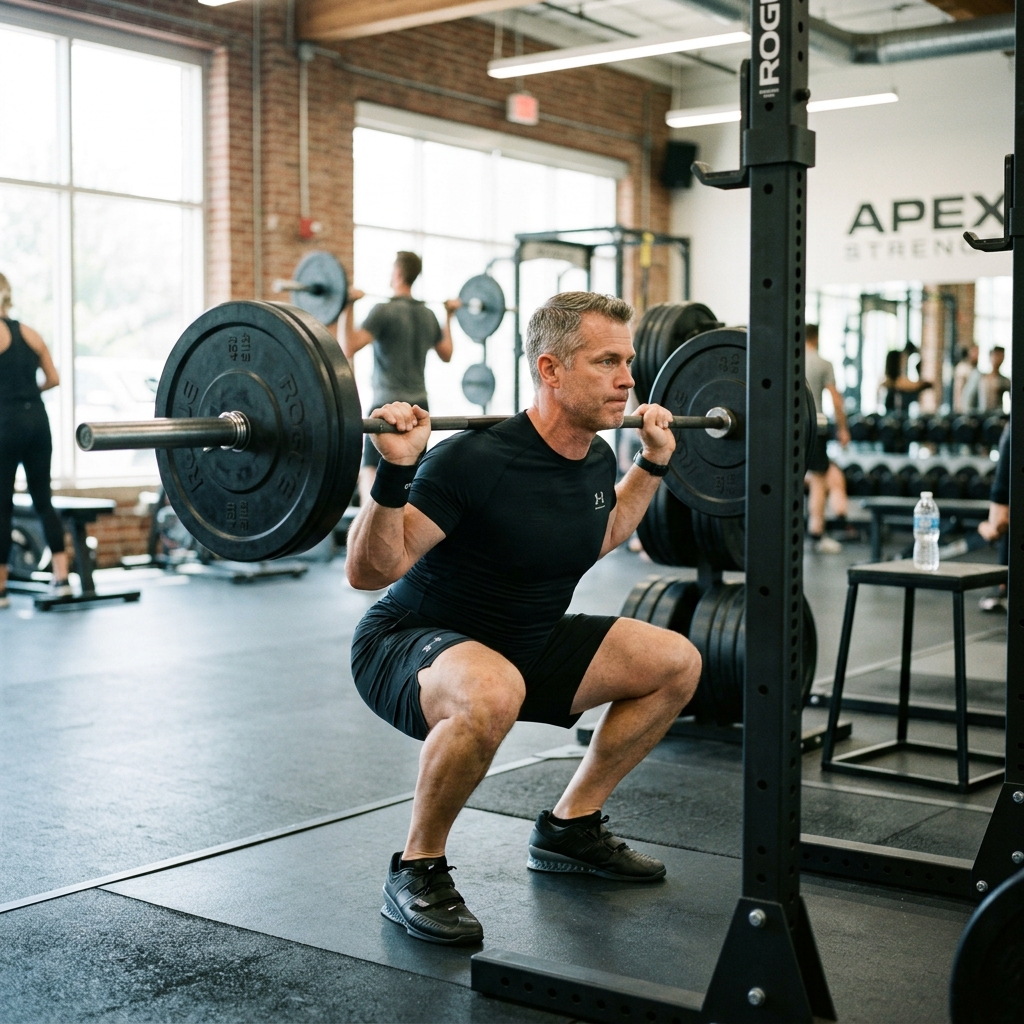
Strength training for women over 40 is not just about aesthetics—it’s about longevity, hormonal health, and keeping your bones strong for decades to come. As estrogen levels decline during perimenopause and menopause, women face an increased risk of osteoporosis and sarcopenia (age-related muscle loss). But here’s the empowering truth: you have more control over this than you think. With the right training approach, you can not only slow down these changes but reverse many of them.
Why Strength Training Matters More After 40
After 40, your body goes through significant shifts. Estrogen—a hormone that supports bone density and muscle mass—starts to fluctuate and eventually drop. This can lead to:
- Decreased bone mineral density (increasing fracture risk)
- Loss of muscle mass (sarcopenia)
- Slower metabolism (partly due to muscle loss)
- Increased insulin resistance and fat storage around the midsection
But strength training directly counters these issues. It stimulates bone remodeling, increases muscle protein synthesis, and improves insulin sensitivity. In fact, research shows that resistance training can increase bone density by 1-3% per year in postmenopausal women—even more when combined with adequate protein intake and progressive overload.
The Hormonal Connection: How Lifting Weights Balances Your Body
When you lift weights, you’re not just working your muscles—you’re sending powerful signals to your endocrine system. Here’s what happens:
- Cortisol reduction: Regular strength training helps lower chronic stress hormones, which can otherwise accelerate bone loss and fat storage.
- Growth hormone boost: Heavy compound lifts (squats, deadlifts, presses) trigger a natural release of growth hormone, which supports fat metabolism and collagen production.
- Improved insulin sensitivity: Muscle tissue acts like a sponge for glucose. The more muscle you have, the better your body manages blood sugar, reducing diabetes risk.
While women don’t produce as much testosterone as men, strength training can still optimize your natural levels. For men, similar benefits apply—check out our guide on natural testosterone optimization over 40 for more insights.
Building Muscle: The Key to a Faster Metabolism
Muscle is metabolically active tissue. Every pound of muscle burns about 6 calories per day at rest, compared to 2 calories for fat. That might not sound like much, but over months and years, it adds up. More importantly, muscle improves your quality of life: you’ll find it easier to carry groceries, play with grandkids, and maintain balance as you age.
To build muscle after 40, you need to prioritize progressive overload—gradually increasing the weight, reps, or sets over time. Aim for 2-3 strength sessions per week, targeting all major muscle groups. If you’re new to lifting, start with a structured plan like our strength training program over 40 to ensure you’re on the right track.
Protecting Bone Density: The Weight-Bearing Advantage
Bones respond to stress. When you load them with weight, they adapt by becoming denser and stronger. This is why weight-bearing exercises—like squats, lunges, and deadlifts—are superior to swimming or cycling for bone health.
- High-impact activities (jumping, running) can be beneficial, but they may not be suitable for everyone with joint issues.
- Resistance training with free weights or machines provides targeted stress on the spine and hips, the most common fracture sites.
For a comprehensive approach, combine strength training with adequate calcium and vitamin D intake. Many women over 40 also benefit from supplements like creatine, which not only supports muscle but may also improve bone density. Learn more in Creatine Isn't Just for Bodybuilders: The Brain and Muscle Benefits You’re Missing 2026.
How to Start Strength Training Safely Over 40
If you’re ready to begin, follow this step-by-step guide:
Step 1: Get Clearance (If Needed)
If you have any chronic conditions or have been inactive, consult your doctor before starting a new exercise program.
Step 2: Choose the Right Program
Opt for a full-body routine 2-3 times per week. Focus on compound movements like squats, deadlifts, push-ups, and rows.
Step 3: Start Light and Focus on Form
Master the movement patterns with light weights or just your bodyweight. Proper form prevents injuries and ensures you’re targeting the right muscles.
Step 4: Progress Gradually
Increase weight by 5-10% every 2-4 weeks. Always aim for 8-12 reps per set with good form.
Step 5: Prioritize Recovery
Your muscles grow during rest, not during the workout. Ensure you get 7-9 hours of sleep and have at least one full rest day between strength sessions.
Pro Tip: If you’re worried about joint pain, focus on controlled, slow movements and avoid locking out your joints. For more on this, read our guide on Lifting Heavy After 40: How to Build Muscle Without Destroying Your Joints.
Nutrition: Fueling Your Strength Journey
Strength training alone isn’t enough—you need the right fuel. Aim for:
- Protein: 1.2-1.6 grams per kilogram of body weight daily. Include sources like chicken, fish, eggs, Greek yogurt, and legumes.
- Calcium and Vitamin D: Essential for bone health. Dairy, leafy greens, and fortified foods are great options.
- Healthy Fats: Support hormone production. Avocado, nuts, and olive oil are excellent choices.
For a full list of foods that reduce inflammation and support metabolic health, check out The Anti-Inflammatory Grocery List for Peak Metabolic Health.
The Role of Supplements
While food comes first, certain supplements can fill gaps and enhance your results. Consider:
- Creatine: Proven to increase muscle mass and strength, and may also support cognitive function. Learn more in our creatine for men over 40 guide (though the benefits apply to women too).
- Vitamin D and Calcium: If you’re deficient, supplementation is crucial for bone health.
- Magnesium: Supports muscle function and sleep quality.
But be selective—not all supplements are worth your money. Our article on The 4 Daily Supplements Worth Your Money (And 3 You Should Stop Buying) can help you decide what’s truly necessary.
Sample Weekly Strength Training Schedule
Here’s a simple full-body plan to get you started:
- Monday: Squats (3x10), Push-ups (3x8), Bent-over Rows (3x10), Plank (3x30 sec)
- Wednesday: Deadlifts (3x8), Shoulder Press (3x10), Lunges (3x10 each leg), Bird Dog (3x10 each side)
- Friday: Hip Thrusts (3x12), Lat Pulldowns (3x10), Chest Press (3x10), Farmer’s Carry (3x30 sec)
Always warm up for 5-10 minutes with light cardio and dynamic stretches. Cool down with static stretching.
Conclusion: Your Future Self Will Thank You
Strength training for women over 40 is one of the most powerful tools you have to maintain your vitality, independence, and quality of life. It balances hormones, builds muscle, and protects your bones. Start slow, be consistent, and celebrate small wins. Whether you’re a beginner or returning to fitness, the time to start is now. For a full program that combines strength and longevity, explore our BEST WORKOUT AFTER 40 page.
Remember: every rep you do today is an investment in your future health. You’ve got this!