Waking up with stiff, achy joints is often an unwelcome alarm clock for women over 40. That morning creakiness isn't just a nuisance; it's your body signaling low-grade inflammation that has been quietly building for years. Hormonal shifts, particularly the decline in estrogen during perimenopause, can amplify this inflammatory response, making joint discomfort a daily reality.
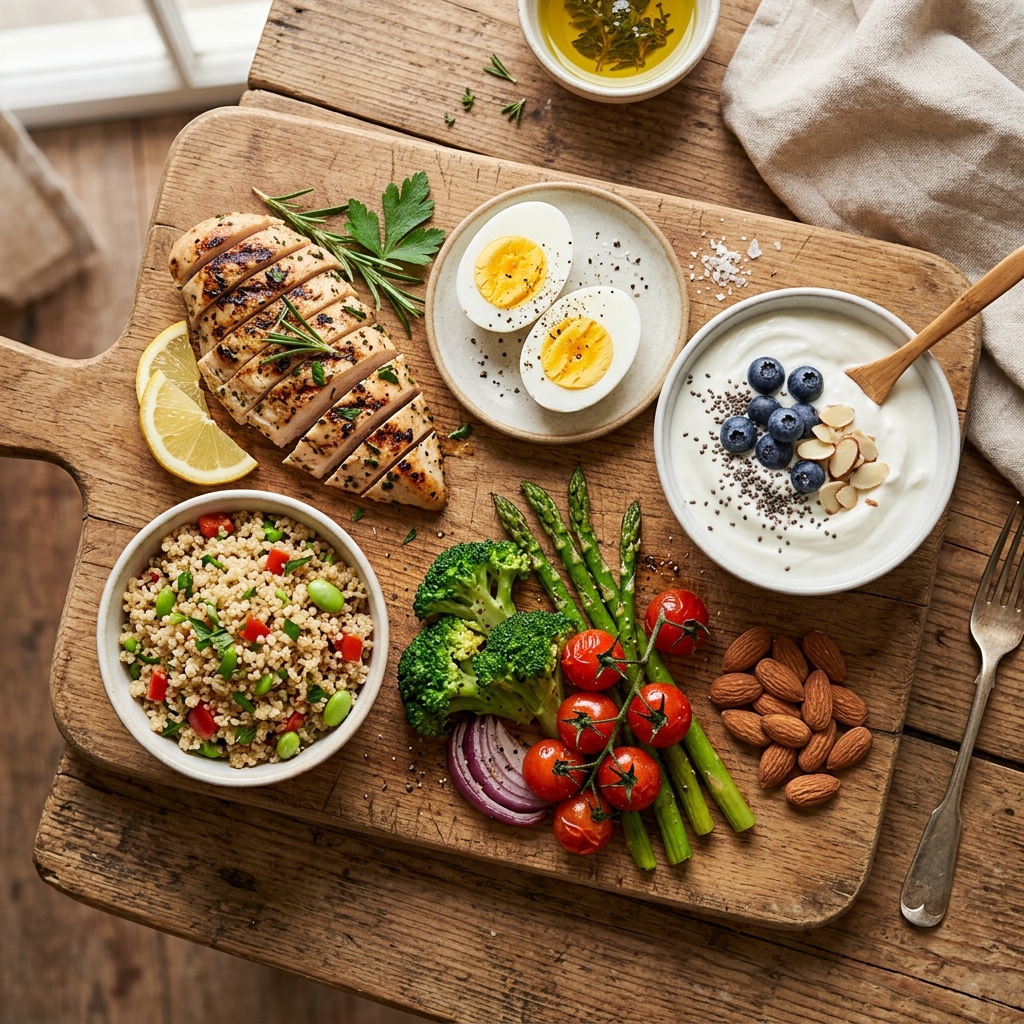
But here's the empowering truth: what you put on your plate first thing in the morning can either fuel that fire or help extinguish it. The best anti-inflammatory breakfast for women over 40 to reduce joint stiffness isn't about bland, restrictive meals. It's about strategically combining nutrients that target inflammation at its source, stabilize blood sugar, and provide the building blocks for resilient joints.
This guide goes beyond a simple recipe. We'll break down the science-backed components of a morning meal that fights stiffness, offer a practical blueprint for building your own, and provide a delicious, ready-to-make option. By the end, you'll have a clear, delicious strategy to start your day with less pain and more vitality.
Why Breakfast Matters for Joint Health After 40
Your body's inflammatory response is a complex process influenced by diet, stress, sleep, and hormone levels. After 40, two key factors make breakfast critical:
- 1. Hormonal Changes: The drop in estrogen can lead to increased production of pro-inflammatory cytokines. Your diet needs to work harder to counterbalance this.
- 1. Blood Sugar Regulation: A high-sugar breakfast (think pastries, sugary cereals, or white toast) causes a rapid spike in blood sugar and insulin. This spike triggers a cascade of inflammatory responses. A balanced, protein-rich breakfast helps keep blood sugar steady, which is a cornerstone of inflammation control.
The 5 Pillars of an Anti-Inflammatory Breakfast
The best anti-inflammatory breakfast for women over 40 to reduce joint stiffness is built on five key pillars. Each plays a unique role in lowering inflammation and supporting joint structure.
1. Omega-3 Fatty Acids: Nature's Anti-Inflammatory
Omega-3s, particularly EPA and DHA found in fatty fish like salmon, are powerful compounds that help reduce the production of inflammatory molecules. For a breakfast-friendly source, consider:
- Chia Seeds: 2 tablespoons provide a hefty dose of ALA (a type of omega-3) and fiber.
- Flaxseeds: Ground flaxseeds are another excellent source.
- Walnuts: A handful adds a satisfying crunch and healthy fats.
- Smoked Salmon: If you enjoy savory breakfasts, it's a fantastic protein and omega-3 powerhouse.
Pro Tip: Pair your omega-3 rich foods with a source of Vitamin D3 and K2. These vitamins work synergistically to direct calcium to your bones, not your joints, and support overall bone health. For a deeper dive, check out our guide on Vitamin D3 + K2: The Synergistic Duo for Bone Density and Heart Health.
2. High-Quality Protein: For Muscle and Joint Support
Protein isn't just for building muscle; it's essential for repairing and maintaining the cartilage that cushions your joints. As we age, our bodies become less efficient at using protein, so it's crucial to get an adequate amount at every meal, especially breakfast.
- Greek Yogurt: Packed with protein and probiotics, which support gut health (a key player in systemic inflammation).
- Eggs: A complete protein source. Include the yolk for Vitamin D and choline.
- Protein Powder: A convenient way to boost your intake, especially if you're on the go. If you're active, consider the benefits of creatine, which can also support muscle recovery. Learn more in our article on Creatine Isn't Just for Bodybuilders: The Brain and Muscle Benefits You’re Missing.
3. Colorful Fruits and Vegetables: Antioxidant Powerhouses
These are your primary source of antioxidants, which neutralize free radicals that cause inflammation. The more colors on your plate, the wider the range of protective compounds.
- Berries: Blueberries, strawberries, and raspberries are low in sugar and high in anthocyanins, which have been shown to reduce inflammation.
- Leafy Greens: Spinach, kale, and Swiss chard are rich in vitamins and antioxidants.
- Cruciferous Vegetables: While not typical breakfast fare, adding a handful of spinach to a smoothie is easy.
4. Healthy Fats: To Absorb Nutrients
Many anti-inflammatory nutrients (like Vitamin A, D, E, and K) are fat-soluble, meaning they need fat to be absorbed. Including a source of healthy fat also helps you feel full and satisfied.
- Avocado: Rich in monounsaturated fats and potassium.
- Olive Oil: Extra virgin olive oil contains oleocanthal, which has anti-inflammatory properties similar to ibuprofen.
- Nuts and Seeds: As mentioned, they provide healthy fats and other nutrients.
5. Warm Spices: Flavor with Benefits
Certain spices have potent anti-inflammatory effects. Incorporating them into your breakfast is an easy way to boost your meal's power.
- Turmeric: Contains curcumin, a powerful anti-inflammatory compound. Add a pinch to your eggs or smoothie.
- Ginger: Helps reduce muscle pain and soreness.
- Cinnamon: Not only adds sweetness without sugar but also helps regulate blood sugar.
The Ultimate Anti-Inflammatory Breakfast Recipe: The Golden Berry Smoothie Bowl
This recipe combines all five pillars into a delicious, satisfying breakfast that targets joint stiffness. It's rich in omega-3s, protein, antioxidants, and healthy fats, with a kick of turmeric and ginger.
Ingredients:
- 1 cup unsweetened almond milk (or your favorite milk)
- 1 scoop vanilla or unflavored protein powder (whey, collagen, or plant-based)
- 1/2 cup frozen blueberries
- 1/2 cup frozen strawberries
- 1 tablespoon chia seeds
- 1 tablespoon almond butter
- 1/4 teaspoon ground turmeric
- 1/4 teaspoon ground ginger
- Pinch of black pepper (this increases curcumin absorption by 2000%)
- Toppings: 1/4 cup sliced banana, 1 tablespoon chopped walnuts, a sprinkle of cinnamon
Instructions:
- 1. Combine all ingredients (except toppings) in a blender.
- 2. Blend until smooth and creamy. If it's too thick, add a little more milk.
- 3. Pour into a bowl.
- 4. Top with banana slices, walnuts, and a sprinkle of cinnamon.
Why This Works:
- Blueberries & Strawberries: Provide a low-sugar antioxidant punch.
- Chia Seeds & Walnuts: Deliver omega-3s and fiber.
- Protein Powder & Almond Butter: Keep you full and support muscle repair.
- Turmeric & Ginger: Offer direct anti-inflammatory benefits.
- Black Pepper: Ensures you absorb the curcumin effectively.
Step-by-Step: Building Your Anti-Inflammatory Breakfast Plate
If you prefer a savory breakfast or want to mix it up, use this simple formula to create your own anti-inflammatory meal every morning.
Step 1: Start with a Protein Base (20-30g)
Choose one or two of these:
- 2-3 whole eggs
- 1 cup Greek yogurt (plain, unsweetened)
- 1/2 cup cottage cheese
- 1 scoop protein powder (in a smoothie)
- 3-4 oz smoked salmon
Step 2: Add a Serving of Healthy Fats
Include at least one of these:
- 1/4 avocado
- 1 tablespoon olive oil (for sautéing)
- 2 tablespoons chia seeds or ground flaxseeds
- 1 ounce (about 14 halves) of walnuts
Step 3: Pile on the Color
Add 1-2 cups of vegetables or 1 cup of fruit (choose lower-sugar options like berries or green apple).
- Savory: Spinach, kale, tomatoes, bell peppers, mushrooms, or onions.
- Sweet: Blueberries, raspberries, strawberries, or a small peach.
Step 4: Flavor with Anti-Inflammatory Spices
Finish your dish with a sprinkle of turmeric, ginger, cinnamon, or even a pinch of cayenne.
Step 5: Don't Forget the Complex Carbs (Optional)
If you're active, you might need more energy. Choose a small portion of complex carbs like:
- 1/2 cup cooked quinoa
- 1 slice of sprouted grain toast
- 1/2 cup rolled oats (cooked)
Common Breakfast Mistakes That Increase Inflammation
Avoid these common pitfalls that can sabotage your anti-inflammatory efforts:
- Sugary Cereals and Pastries: High in refined carbs and sugar, causing blood sugar spikes.
- Processed Meats: Bacon and sausage contain advanced glycation end products (AGEs) that promote inflammation.
- Flavored Yogurts: Often loaded with added sugar. Always choose plain and sweeten with berries.
- Fruit Juices: Even 100% juice is a concentrated sugar source without the fiber of whole fruit.
The Power of Consistency and Other Lifestyle Factors
While this breakfast is a powerful tool, it works best when combined with other healthy habits. Consistency is key. Eating an anti-inflammatory breakfast once a week won't yield the same results as making it a daily ritual.
Also, consider how other aspects of your day impact inflammation. For instance, your evening meal timing can influence your sleep quality and metabolic health. Research suggests that eating dinner earlier can improve blood sugar regulation and reduce overnight inflammation. Learn more about the best time to eat dinner for better sleep and metabolism after 40.
Additionally, regular strength training is one of the most effective ways to reduce joint pain and stiffness. It strengthens the muscles that support your joints, taking pressure off them. If you're just starting, check out our guide on the best workout in summer over 40 to stay active without overheating.
Supplementation: Filling the Gaps
Even with a perfect breakfast, you may have nutritional gaps. Certain supplements can complement your anti-inflammatory breakfast and support joint health.
- Omega-3 Fish Oil: If you don't eat fatty fish regularly, a high-quality fish oil supplement can ensure you're getting enough EPA and DHA.
- Vitamin D3: Many women over 40 are deficient, and it's crucial for bone health and immune function. Read our guide on The 4 Daily Supplements Worth Your Money (And 3 You Should Stop Buying) to make smart choices.
- Collagen Peptides: Collagen is a major component of cartilage. Supplementing with collagen may help reduce joint pain.
Pro Tip: Always talk to your doctor before starting any new supplement, especially if you take medication.
Conclusion
Waking up with joint stiffness can feel like a losing battle, but you have more control than you think. The best anti-inflammatory breakfast for women over 40 to reduce joint stiffness is not a single magical food but a strategic combination of omega-3s, high-quality protein, antioxidants, and healthy fats. By prioritizing this meal, you're not just feeding your body; you're actively fighting inflammation, supporting your joints, and setting a powerful tone for your entire day.
Start with the Golden Berry Smoothie Bowl or use the simple plate-building steps to craft your own. Remember, small, consistent changes lead to significant long-term results. Your joints have carried you for decades; give them the nourishment they deserve. And for more ways to support your body after 40, explore our other articles on building strength and creating sustainable habits. Your journey to a pain-free morning starts now.