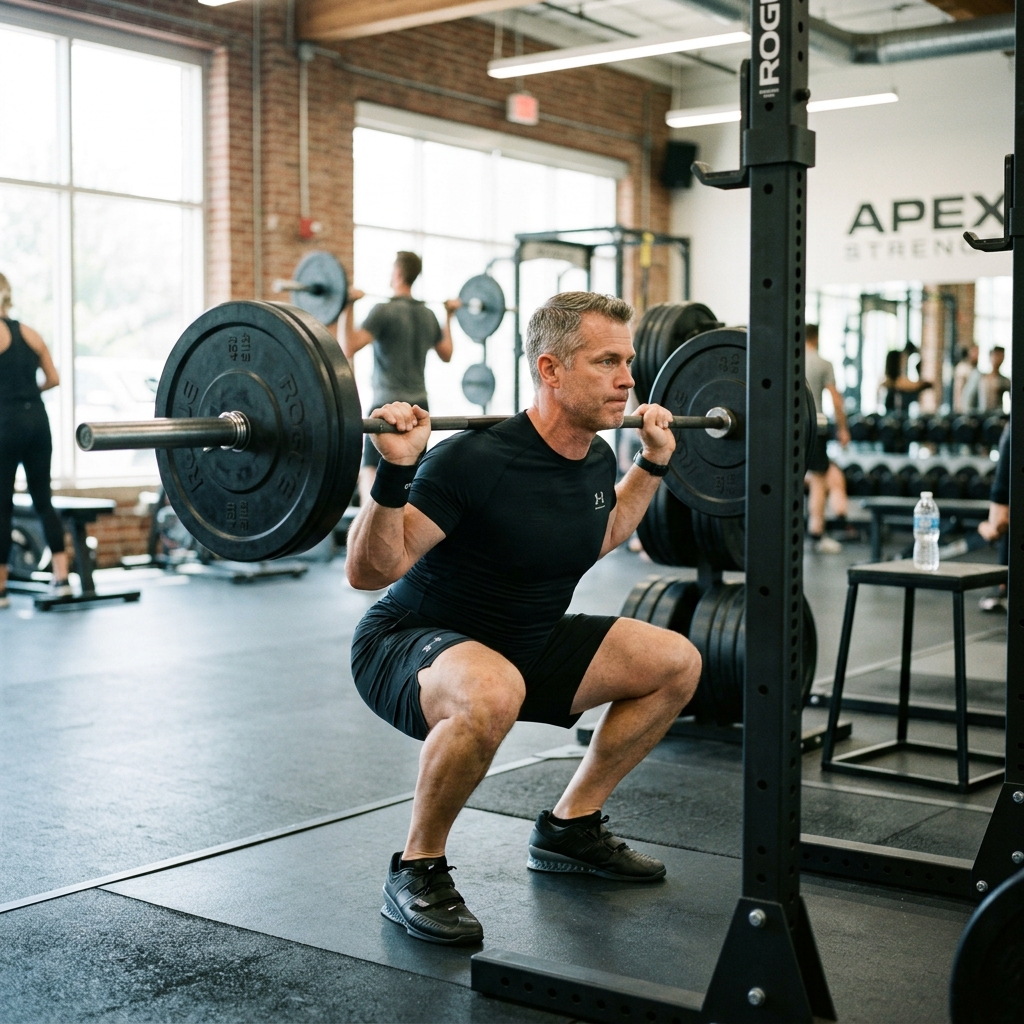
Why Summer Training Is Different After 40
As the mercury rises, so does the challenge of maintaining your fitness routine. For men and women over 40, summer training isn't just about beating the heat—it's about adapting your approach to protect your joints, manage hydration, and optimize recovery. Your body's thermoregulation becomes less efficient with age, and your sweat response may be delayed, making you more prone to heat stress. That's why the best workout in summer over 40 isn't a one-size-fits-all routine; it's a strategic blend of smart timing, smart exercise selection, and smart recovery.
Summer also brings a unique opportunity: longer daylight hours can boost your mood and motivation. But the heat can also increase oxidative stress and inflammation, which are already concerns after 40. This is where a well-rounded plan—covering training, nutrition, and supplementation—becomes your best ally.
The Core Principles of a Summer Workout After 40
1. Time Your Workouts Wisely
The simplest way to beat the heat is to train during cooler parts of the day. Early morning or late evening workouts are ideal. Not only do you avoid peak UV radiation, but your core body temperature is also lower, allowing you to perform at a higher intensity. If you must train midday, choose a shaded park or an air-conditioned gym.
2. Adjust Intensity and Volume
Summer is not the time to chase personal records in a sweltering garage gym. Instead, focus on maintaining strength and building endurance with a slightly reduced volume. For example, cut your sets from 4 to 3 or reduce your working weight by 10-15%. This helps manage heat stress while still providing enough stimulus to preserve muscle—a key factor for longevity. As discussed in The Longevity Advantage: Why Muscle Strength Is the Ultimate Medicine, maintaining muscle mass is crucial for metabolic health and independence as you age.
3. Prioritize Compound Movements
Compound exercises like squats, deadlifts, and push-ups offer the best return on investment. They recruit multiple muscle groups, boost testosterone naturally, and improve functional fitness. However, in summer, they also elevate your heart rate and core temperature more than isolation exercises. So, keep rest periods slightly longer (2-3 minutes) and consider breaking your workout into shorter, more frequent sessions if needed.
4. Hydration Is Non-Negotiable
Dehydration can sap your strength, impair cognition, and increase the risk of muscle cramps and heat exhaustion. After 40, your thirst mechanism becomes less reliable, so you can't always rely on feeling thirsty. Aim to drink 16-20 ounces of water 2 hours before exercise, and then 7-10 ounces every 10-20 minutes during your workout. Add electrolytes, especially sodium and potassium, to replace what you lose through sweat.
The Best Workout in Summer Over 40: A Step-by-Step Plan
Here's a practical, heat-friendly routine that you can do at home or in the gym. It's designed to be completed in 45 minutes or less, keeping your core temperature manageable.
Step 1: Dynamic Warm-Up (5 minutes)
Start with light cardio like marching in place or arm circles. Then perform leg swings, hip openers, and torso twists. This increases blood flow and prepares your joints for movement.
Step 2: Strength Circuit (20 minutes)
Perform each exercise for 45 seconds, then rest 15 seconds. Complete 3 rounds.
- Goblet Squats (use a dumbbell or kettlebell)
- Push-Ups (on knees if needed)
- Single-Leg Romanian Deadlifts (bodyweight or light dumbbell)
- Plank Shoulder Taps
- Glute Bridges
This circuit targets major muscle groups while keeping your heart rate up—perfect for building functional strength without excessive joint stress.
Step 3: Cardio Interval (10 minutes)
Choose low-impact cardio like brisk walking, cycling, or swimming. Alternate 1 minute at a moderate pace with 1 minute at a brisk pace. Swimming is especially beneficial in summer as it cools your body while providing a full-body workout.
Step 4: Cool-Down and Stretch (10 minutes)
Finish with static stretches for your hamstrings, quadriceps, chest, and back. Hold each stretch for 20-30 seconds. This helps lower your heart rate and improve flexibility.
Pro Tip: If you're training outdoors, wear light-colored, moisture-wicking clothing and apply a broad-spectrum sunscreen. Also, keep a cooling towel around your neck between sets—it can dramatically lower your core temperature.
Recovery: The Secret Weapon for Summer Training
After a sweaty session, your body needs more than just water. Recovery after 40 requires a two-pronged approach: nutrition and supplementation.
Nutrition: Refuel with Protein and Carbs
Within 30 minutes of your workout, consume a meal or shake containing 20-30 grams of protein and some fast-digesting carbs (like fruit or white rice). This replenishes glycogen stores and kickstarts muscle repair. For meal ideas, check out our Top 10 High-Protein Meal Prep Recipes to Support Muscle Strength.
Supplementation: Fill the Gaps
Summer heat increases the loss of electrolytes and can exacerbate inflammation. Consider adding these to your routine:
- Creatine: Despite the heat, creatine remains one of the most effective supplements for maintaining strength and muscle mass. It also helps with cellular hydration. For detailed guidance, read our creatine for men over 40 guide.
- Magnesium: This mineral is lost through sweat and is crucial for muscle relaxation and sleep quality. A deficiency can lead to cramps and poor recovery. Learn more about Magnesium Demystified: Which Form Do You Need for Deep Sleep and Recovery?.
- Omega-3 Fish Oil: Summer training can increase oxidative stress, but omega-3s help reduce inflammation and support joint health. See our article on Omega-3 Fish Oil: Reducing Joint Inflammation for Stronger Lifts.
Sleep: The Ultimate Recovery Tool
Your body repairs muscle and balances hormones during deep sleep. In summer, longer days and heat can disrupt your sleep. Keep your bedroom cool (around 65-68°F), use blackout curtains, and avoid caffeine after 2 PM. If you struggle with sleep, a magnesium supplement before bed can work wonders.
Adapting Your Workout for Joint Health
Summer doesn't mean you have to abandon heavy lifting. In fact, lifting heavy is still beneficial after 40, but you need to be smart about it. The heat can make your joints feel stiffer, so a thorough warm-up is even more critical. If you're experiencing joint discomfort, consider reducing the load and focusing on controlled tempos. For a deeper dive into protecting your joints while building muscle, read Lifting Heavy After 40: How to Build Muscle Without Destroying Your Joints.
The Bottom Line: Your Summer Blueprint
Summer is a fantastic time to revitalize your fitness routine, but it requires a mindful approach. By timing your workouts, adjusting intensity, prioritizing hydration, and supporting recovery with proper nutrition and supplementation, you can make this the best summer of your life. Remember, consistency beats intensity—especially when the thermometer is climbing.
If you're looking for a comprehensive training plan that works year-round, our BEST WORKOUT AFTER 40 guide is an excellent resource. And don't forget to fuel your body with high-quality protein to support muscle repair—check out our BEST protein over 40 guide to make the right choice.
Now, grab your water bottle, lace up your shoes, and embrace the heat—smartly. Your 40+ body will thank you.