The Hidden Crisis: Why Muscle Loss Is the Real Enemy of Aging
By the time you hit 40, you’ve likely noticed subtle changes: a little less stamina, a few more aches, maybe a slower recovery after a tough workout. But beneath the surface, a more insidious process is underway—sarcopenia, the age-related loss of muscle mass and strength. Starting around age 30, you lose 3–8% of your muscle mass per decade, and the rate accelerates after 60. This isn't just about aesthetics; it's about your future health, independence, and lifespan.
Muscle isn't just for lifting weights—it's a metabolic organ, a glucose sink, and a shield against chronic disease. Strong muscles improve insulin sensitivity, boost your metabolism, protect your joints, and even support cognitive function. In fact, research consistently shows that grip strength—a simple proxy for overall muscle strength—is a stronger predictor of mortality than blood pressure. The message is clear: muscle strength is the ultimate medicine for a long, vibrant life.
The Science: How Muscle Strength Extends Lifespan
The Metabolic Powerhouse
Your muscles are the largest consumer of glucose in your body. When you have more muscle mass, your body becomes more efficient at clearing sugar from your bloodstream, reducing your risk of type 2 diabetes. This is why strength training is a cornerstone of metabolic health. A 2020 study in BMJ found that muscle-strengthening activities were associated with a 10–17% lower risk of all-cause mortality, even when combined with aerobic exercise.
Muscle and the Brain: The Surprising Connection
Muscle contractions release myokines—signaling proteins that cross the blood-brain barrier and stimulate the release of brain-derived neurotrophic factor (BDNF). BDNF is like fertilizer for your brain, promoting neuroplasticity and protecting against cognitive decline. This is one of the reasons why strength training is linked to better memory and a lower risk of dementia. For a deeper dive into how to improve your cardiovascular fitness, which works synergistically with strength, check out VO2 Max Is the Single Best Predictor of Lifespan: How to Test and Improve Yours.
The Hormonal Advantage
After 40, testosterone levels naturally decline, but strength training can help mitigate this. Compound lifts like squats and deadlifts trigger a greater hormonal response, helping you maintain muscle, bone density, and libido. Strong muscles also produce more insulin-like growth factor-1 (IGF-1), which is essential for cell repair and regeneration.
Pro Tip: Think of muscle as your 'longevity bank account.' Every workout is a deposit. Start early, stay consistent, and you'll have the reserves to thrive in your 70s and beyond.
The After-40 Advantage: Why It's Never Too Late
You might think, 'I'm too old to start building muscle.' That's a myth. Even in your 60s and 70s, you can increase muscle mass and strength significantly. In fact, older adults often experience greater relative gains than younger people because they're starting from a lower baseline. The key is consistency and progressive overload.
But here's the catch: as you age, your body becomes more resistant to protein synthesis. This is called 'anabolic resistance.' To overcome it, you need to be intentional about your protein intake and training stimulus. That's why nutrition is just as important as the workout itself.
The Nutrition Blueprint: Fuel Your Muscle for Growth
Protein: The Building Block
Aim for 1.2 to 1.6 grams of protein per kilogram of body weight daily. That's roughly 100-150 grams for a 180-pound person. Spread it evenly across 3-4 meals, with a focus on high-quality sources like lean meats, fish, eggs, and dairy. If you're struggling to hit your protein goals, consider adding a scoop of whey or plant-based protein powder. For meal ideas that are both delicious and muscle-friendly, explore these best recipes for man over 30 or these BEST RECIPES FOR WOMEN OVER 40 YEARS.
Key Supplements That Actually Work
While food should always come first, certain supplements can give you an edge:
- Creatine: One of the most researched supplements, creatine not only boosts strength and muscle mass but also supports brain health. Learn more about Creatine Isn't Just for Bodybuilders: The Brain and Muscle Benefits You’re Missing and the creatine for men over 40 dosage guide.
- Vitamin D3 + K2: These two work together to improve bone density and heart health—critical as you age. Discover the Vitamin D3 + K2: The Synergistic Duo for Bone Density and Heart Health.
- Magnesium: This mineral is crucial for muscle function, sleep, and recovery. The right form matters—check out Magnesium Demystified: Which Form Do You Need for Deep Sleep and Recovery?.
Your Step-by-Step Strength Plan
Step 1: Master the Big Lifts
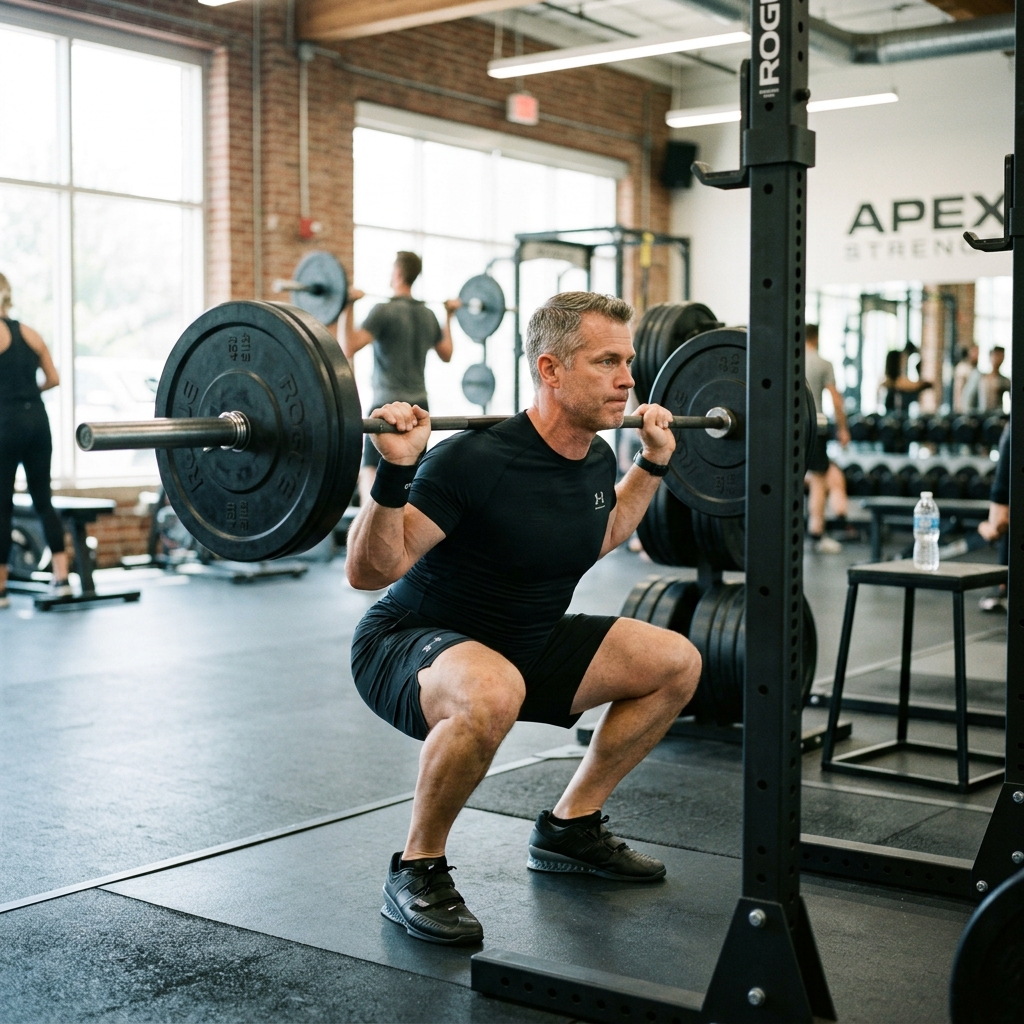
Focus on compound movements that work multiple muscle groups: squat, deadlift, bench press, overhead press, and rows. These are the most efficient way to build strength and stimulate muscle growth.
Step 2: Progressive Overload
Each week, aim to lift a little more weight, do one more rep, or add a set. This constant challenge forces your body to adapt and grow stronger.
Step 3: Train 2-3 Times Per Week
Quality over quantity. Two to three full-body sessions per week are enough for most people over 40. Each session should last 45-60 minutes, with at least one rest day between.
Step 4: Prioritize Protein Around Your Workout
Consume 20-40 grams of protein within 2 hours after your workout to maximize muscle repair. A post-workout shake or a chicken breast with vegetables is perfect.
Step 5: Sleep and Recover
Muscle grows when you rest, not when you train. Aim for 7-9 hours of quality sleep. If you struggle with sleep, magnesium can be a game-changer.
Conclusion: Your Prescription for a Longer, Stronger Life
Muscle strength truly is the ultimate medicine. It lowers your risk of heart disease, diabetes, falls, and even cognitive decline. It boosts your energy, confidence, and quality of life. And the best part? It's never too late to start.
Start with a simple plan: lift weights twice a week, get your protein in, and prioritize sleep. Your future self will thank you. For more inspiration on fueling your body, check out these RECIPES FOR WOMEN OVER 40 YEARS to keep your meals exciting and nutritious.
Remember, every rep is an investment in your longevity. Seize the advantage today.