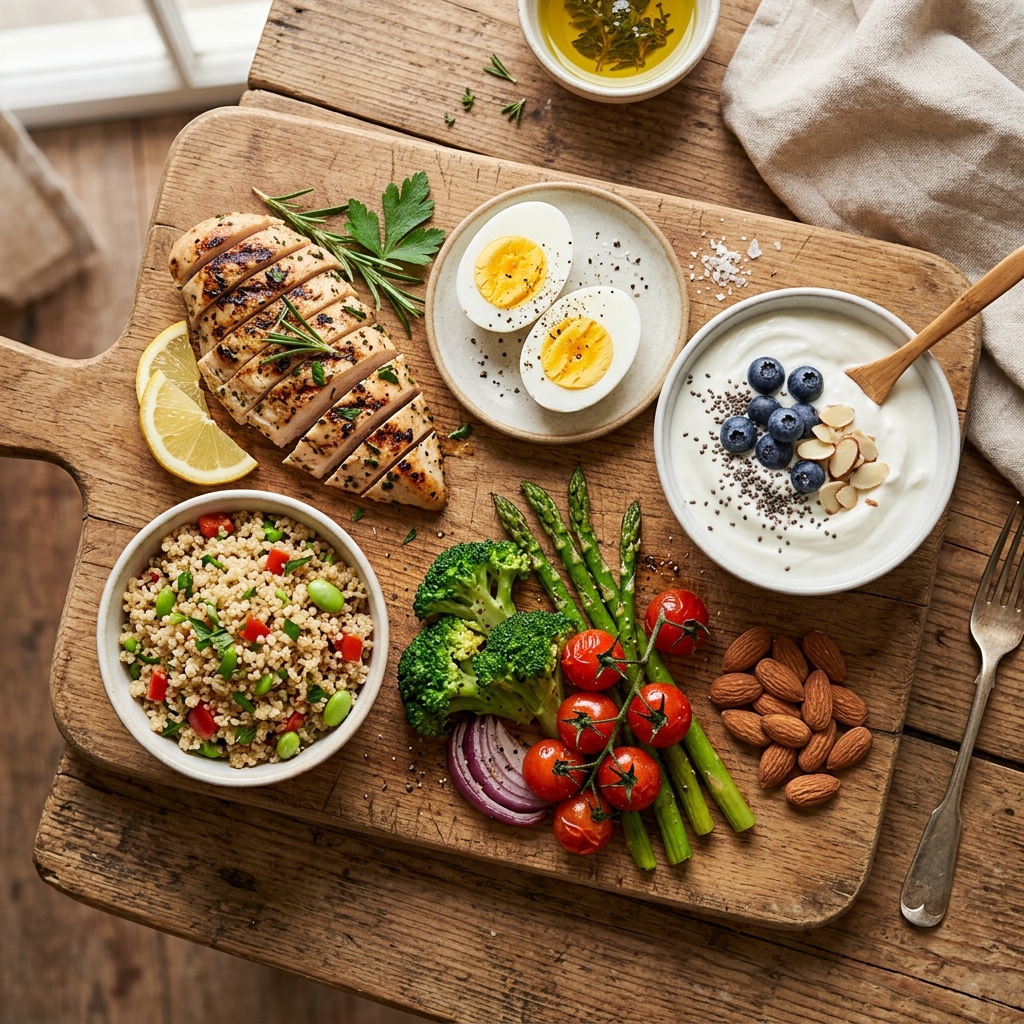
Why Protein Matters More After 40
As we age, our bodies undergo significant changes that make protein needs higher than in younger years. A key challenge is anabolic resistance, where muscles become less responsive to protein, requiring higher doses to trigger muscle protein synthesis. This makes choosing the best protein over 40 a critical decision for maintaining strength, metabolism, and overall vitality.
Pro Tip: Aim for 30–40g of high-quality protein per meal, especially post-workout, to overcome anabolic resistance. Consider a fast-absorbing option like whey or a plant-based blend.
Top Protein Sources for the 40+ Demographic
Not all proteins are created equal. Below is a comparison of the most effective types for men and women over 40.
| Protein Source | Key Benefits | Best For | Serving Size | Protein per Serving |
|----------------|--------------|----------|--------------|---------------------|
| Whey Isolate | Fast absorption, rich in leucine | Post-workout recovery | 30g powder | 25–27g |
| Casein | Slow release, anti-catabolic | Before bed | 30g powder | 24g |
| Egg White | Complete amino acid profile, low fat | Meal replacement | 3 egg whites | 10g |
| Pea Protein | Plant-based, high in arginine | Vegan/vegetarian | 30g powder | 24g |
| Collagen | Supports joints, skin, and bones | Joint health + protein | 10g powder | 9g |
How Much Protein Do You Really Need?
To counteract age-related muscle loss, experts recommend 1.2–2.0g of protein per kilogram of body weight daily. For a 180lb (82kg) person, that's 98–164g per day. Distributing this evenly across 3–4 meals is more effective than a single large dose. Learn more about protein intake and anabolic resistance in our complete guide to protein requirements after 40.
The Role of Supplements
While whole foods should be the foundation, supplements can fill gaps. Creatine monohydrate is one of the most researched and effective supplements for aging muscle. It enhances strength, power, and cognitive function. For optimal results, pair your protein with creatine. Discover creatine benefits and timing strategies in our creatine for men over 40 guide.
Practical Steps to Optimize Protein Intake
Step 1: Choose High-Quality Sources
- Lean meats, poultry, fish, eggs, dairy, legumes, and soy.
- For plant-based options, combine complementary proteins (e.g., rice + beans) to ensure a complete amino profile.
Step 2: Time Your Intake
- Post-workout: 20–40g of fast-digesting protein (whey or pea).
- Before bed: 30–40g of slow-digesting casein (cottage cheese or casein powder).
- Spread across meals to maximize muscle protein synthesis.
Step 3: Support with Lifestyle Factors
- Adequate sleep and stress management improve protein utilization. Check our guide on optimizing sleep and natural testosterone for better results: natural testosterone optimization over 40.
- Pair protein with a consistent strength training program to stimulate muscle adaptation. Our strength training program for beginners over 40 provides a solid foundation.
Sample High-Protein Day for Over 40
- Breakfast: 3-egg omelet with spinach and cheese + 1 slice whole-grain toast (~30g protein)
- Lunch: Grilled chicken salad with quinoa, chickpeas, and olive oil (~40g)
- Snack: Greek yogurt with berries and a scoop of collagen (~25g)
- Dinner: Baked salmon with roasted sweet potatoes and broccoli (~40g)
- Before Bed: Cottage cheese with almonds (~25g)
Total: ~160g protein
Conclusion
Choosing the best protein over 40 is about more than just muscle—it supports bone density, immune function, and metabolic health. By prioritizing high-quality sources, proper timing, and a holistic approach to fitness and sleep, you can thrive at any age. Start with small changes today and build a sustainable routine for lifelong vitality.