Why Muscle Preservation Matters After 40
Turning 40 is not a cliff, but it is a fork in the road. Your body’s ability to build and hold onto muscle becomes more resistant, a phenomenon known as anabolic resistance. Simultaneously, hormonal shifts—like declining testosterone and growth hormone—make fat storage easier, especially around the midsection. This is why the classic "eat less, move more" approach often backfires: aggressive calorie cuts accelerate muscle loss, leaving you smaller, softer, and with a slower metabolism.
If you’re over 40 and aiming to shed fat, your primary goal must shift from losing weight to maintaining muscle mass during a fat loss phase after 40. This isn’t just about aesthetics; muscle is the engine of your metabolism and a key predictor of longevity. Preserving it ensures that the weight you lose is truly fat, not the hard-earned tissue that keeps you strong and functional.
The Science of Fat Loss vs. Muscle Loss
When you create a calorie deficit, your body doesn’t distinguish between fat and muscle—it simply breaks down stored energy. However, the ratio of muscle to fat lost is largely under your control. Research shows that without proper intervention, up to 25% of weight lost can come from lean mass. In your 40s and beyond, that number can climb even higher due to anabolic resistance.
But here’s the good news: you can tip the scales in your favor. By combining strategic nutrition, smart training, and optimized recovery, you can signal your body to hold onto muscle while tapping into fat stores. This is not about extreme dieting—it’s about being intentional with every choice.
The Role of Hormones
Testosterone and growth hormone naturally decline with age, but their drop is accelerated by crash dieting. Chronic calorie restriction raises cortisol, a stress hormone that promotes fat storage and muscle breakdown. This is why a moderate deficit—around 300–500 calories per day—is far more effective than a crash diet. Slow and steady wins the race, especially when your hormonal environment is less forgiving.
Nutrition: The Foundation of Muscle Preservation
Protein: Your #1 Ally
If there’s one non-negotiable in your fat loss phase, it’s protein. Adequate protein intake provides the amino acids needed to repair and rebuild muscle tissue, counteracting the catabolic effects of a calorie deficit. For men and women over 40, the recommended intake is higher than for younger adults—often 1.6 to 2.2 grams per kilogram of body weight daily. To put it simply, if you weigh 180 pounds, that’s roughly 130–180 grams of protein per day.
Spreading this intake evenly across meals—about 30–40 grams per meal—maximizes muscle protein synthesis. For a deep dive into the optimal amounts and timing, check out our guide on the best protein intake for men over 40. This resource breaks down the science and gives you a practical blueprint.
The Power of Anti-Inflammatory Foods
Fat loss itself is an inflammatory process. As you break down fat cells, they release inflammatory compounds that can impair recovery and muscle growth. Incorporating anti inflammatory foods for joint pain after 40 can help reduce systemic inflammation, supporting both joint health and muscle preservation. Think fatty fish, leafy greens, berries, and nuts—these aren’t just good for your joints; they create a favorable environment for muscle retention.
Don’t Fear Carbs or Fats
Carbohydrates are not the enemy. They fuel your workouts and replenish glycogen, which is essential for training intensity. Fat, particularly omega-3s and monounsaturated fats, supports hormone production. A balanced approach—where carbs are timed around workouts and fats are kept moderate—will help you perform and recover better.
Training: The Stimulus That Saves Muscle
Lift Heavy (Relative to You)
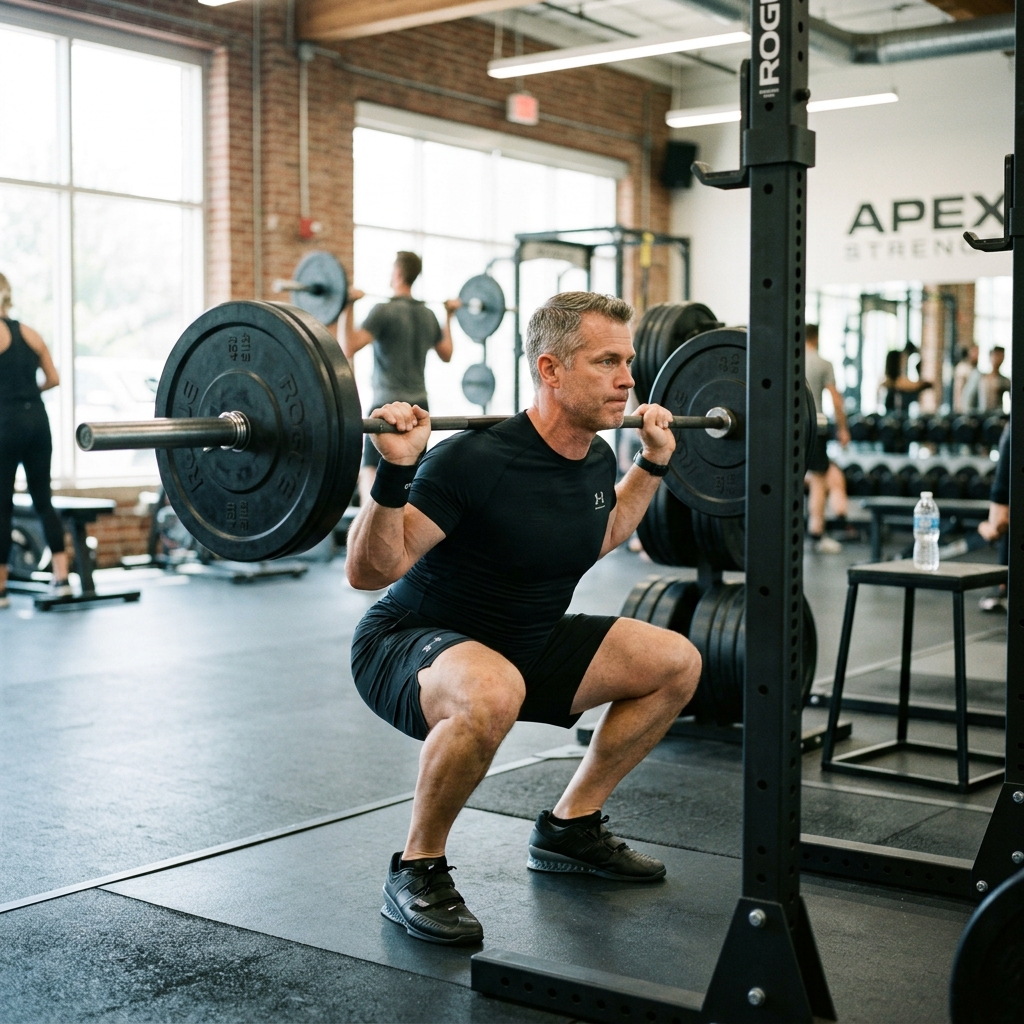
To convince your body that muscle is worth keeping, you must challenge it. Resistance training is the single most powerful stimulus for muscle preservation. But not all lifting is equal. In a fat loss phase, you need to maintain or even increase the load on your muscles.
- Focus on compound lifts: Squats, deadlifts, bench presses, rows, and overhead presses recruit the most muscle fibers and elicit the strongest anabolic response.
- Keep intensity high: Aim for 6–12 reps per set, with the last 2–3 reps being challenging. This ensures you’re recruiting high-threshold motor units that are essential for muscle retention.
- Progressive overload: Even in a deficit, you should strive to add a small amount of weight or an extra rep each week. This tells your body, "I need this muscle."
Cardio: Use It Wisely
Cardio is a tool, but it can also be a muscle thief if overdone. High-intensity interval training (HIIT) can help preserve muscle while burning fat, but it’s taxing on the central nervous system. Steady-state cardio, like walking or cycling, is less stressful but burns fewer calories. The sweet spot is a mix: 2–3 days of strength training, 1–2 days of HIIT, and daily low-intensity movement.
If you’re looking to boost your cardiovascular fitness without compromising muscle, learning how to increase vo2 max after 40 can provide a structured approach that complements your fat loss goals.
Recovery: The Overlooked Muscle Builder
Sleep: The Ultimate Anabolic State
Sleep is when your body repairs muscle and balances hormones. In a calorie deficit, sleep becomes even more critical. Poor sleep increases ghrelin (hunger hormone), decreases leptin (fullness hormone), and raises cortisol—all of which sabotage fat loss and muscle preservation. Aim for 7–9 hours of quality sleep per night.
If you struggle with sleep, consider optimizing your magnesium intake. The right form can make a world of difference. Our article on magnesium demystified which form do you need for deep sleep and recovery explains the differences and helps you choose wisely.
Stress Management
Chronic stress is a silent muscle killer. Elevated cortisol breaks down muscle tissue and promotes belly fat storage. Incorporate stress-reducing practices like meditation, deep breathing, or even a simple walk in nature. These aren’t just nice-to-haves; they are essential for maintaining muscle during a cut.
Practical Steps: Your 4-Week Fat Loss Blueprint
Pro Tip: Before starting any fat loss phase, take progress photos, measurements, and note your starting strength on key lifts. This will help you adjust your plan based on real data, not just the scale.
Here’s a step-by-step framework to execute your fat loss phase while protecting your hard-earned muscle:
- 1.Calculate your maintenance calories. Use an online calculator or track your food for a week to find your true maintenance level.
- 2.Create a moderate deficit. Subtract 300–400 calories from maintenance. This should result in 0.5–1% of body weight loss per week.
- 3.Set your protein target. Multiply your body weight in kilograms by 2.0. This is your daily protein goal in grams.
- 4.Plan your training split. Perform 3–4 full-body or upper/lower workouts per week, focusing on compound lifts.
- 5.Time your carbs. Consume the majority of your carbs around your workout—pre and post—to fuel performance and recovery.
- 6.Monitor and adjust. Weigh yourself daily and take weekly averages. If you’re losing more than 1% per week, add back 100–150 calories, especially from carbs.
- 7.Prioritize sleep and stress management. Track your sleep and take active steps to improve it.
Common Pitfalls to Avoid
- Crash dieting: Losing more than 1% of body weight per week almost guarantees muscle loss. Slow down.
- Skipping meals: Irregular eating patterns can spike cortisol and reduce muscle protein synthesis.
- Doing only cardio: Without resistance training, you’re signaling your body to shed muscle.
- Ignoring recovery: Overtraining and poor sleep negate your best efforts.
Supplements That Support Your Goal
While supplements aren’t magic, some can support your efforts. Creatine monohydrate has the strongest evidence for preserving muscle and strength during a cut. Caffeine can enhance performance and fat oxidation. And magnesium, as mentioned, supports sleep and recovery—key components of muscle preservation.
For a no-nonsense breakdown of which supplements are worth your money, see our guide on The 4 Daily Supplements Worth Your Money (And 3 You Should Stop Buying). This will help you avoid wasting cash on ineffective products.
Conclusion
Maintaining muscle mass during a fat loss phase after 40 is not just possible—it’s essential for your long-term health and vitality. By prioritizing protein, lifting heavy, managing your calorie deficit wisely, and giving your body the recovery it needs, you can achieve a leaner, stronger physique without sacrificing the muscle you’ve worked so hard to build.
Remember, this is a marathon, not a sprint. Consistency and patience are your greatest allies. Start implementing these strategies today, and you’ll not only look better but feel stronger and more energetic than ever.