Introduction: Why Protein Becomes Critical After 40
Turning 40 is a milestone, but it also marks a shift in your body's biology. You might notice that the same diet and workout routine that worked in your 30s no longer yields the same results. One of the biggest culprits? Protein. After 40, your body becomes less efficient at using dietary protein to build and repair muscle—a phenomenon known as anabolic resistance. This means you need to consume more protein than you did in your younger years just to maintain the muscle you already have.
Muscle isn't just about aesthetics; it's a metabolic powerhouse. It regulates blood sugar, supports joint health, and drives your resting metabolic rate. Losing muscle mass—a process called sarcopenia—accelerates after 40, contributing to weight gain, fatigue, and a higher risk of falls and fractures. The good news? You can fight back with the right protein intake. In this science-backed guide, we'll break down exactly how much protein you need after 40, how to distribute it throughout the day, and how to maximize its benefits.
The Science: Why Your Protein Needs Change After 40
Anabolic Resistance: The Silent Thief
Research shows that after age 40, your muscles become less responsive to lower doses of amino acids. In a landmark study, older adults required nearly double the protein per meal to stimulate muscle protein synthesis (MPS) compared to younger individuals. This is known as anabolic resistance. To overcome this, you need to increase both your total daily protein and the amount consumed per sitting.
The RDA Is Too Low for Over-40s
The Recommended Dietary Allowance (RDA) for protein is 0.8 grams per kilogram of body weight (0.36 grams per pound). This number was set to prevent deficiency, not to optimize health. For adults over 40, experts now recommend a higher range—typically 1.2 to 2.0 grams per kilogram (0.55 to 0.9 grams per pound) depending on activity level and goals. For a 180-pound man, that translates to 99 to 162 grams daily. Following the RDA could leave you protein-deficient, accelerating muscle loss and metabolic decline.
Pro Tip: If you're sedentary, aim for the lower end (1.2 g/kg). If you're active or lifting weights, aim for 1.6–2.0 g/kg. This is your starting point for rebuilding strength and vitality.
How Much Protein Do You Actually Need? The Numbers
Step 1: Calculate Your Baseline
- 1.Weigh yourself in pounds.
- 2.Multiply your weight by 0.55 for the minimum (1.2 g/kg) and by 0.9 for the maximum (2.0 g/kg).
Example: A 200-pound individual needs 110–180 grams of protein daily. That's a wide range—your exact target depends on your activity level and muscle-building goals.
Step 2: Assess Your Activity Level
- Sedentary: 1.2 g/kg (prevents deficiency, meets basic needs)
- Moderately active (walking, light exercise): 1.4–1.6 g/kg
- Active (strength training 3-4x/week): 1.6–1.8 g/kg
- Athletic or intense training: 1.8–2.0 g/kg
If you're just starting a strength training program over 40, aim for the higher end to support muscle repair and growth.
Step 3: Distribute Protein Evenly
Your body can only use a limited amount of protein per meal (about 25–40 grams) for muscle synthesis. Instead of eating one giant steak at dinner, spread your protein across 3–5 meals. For example, a 150-gram daily target could look like:
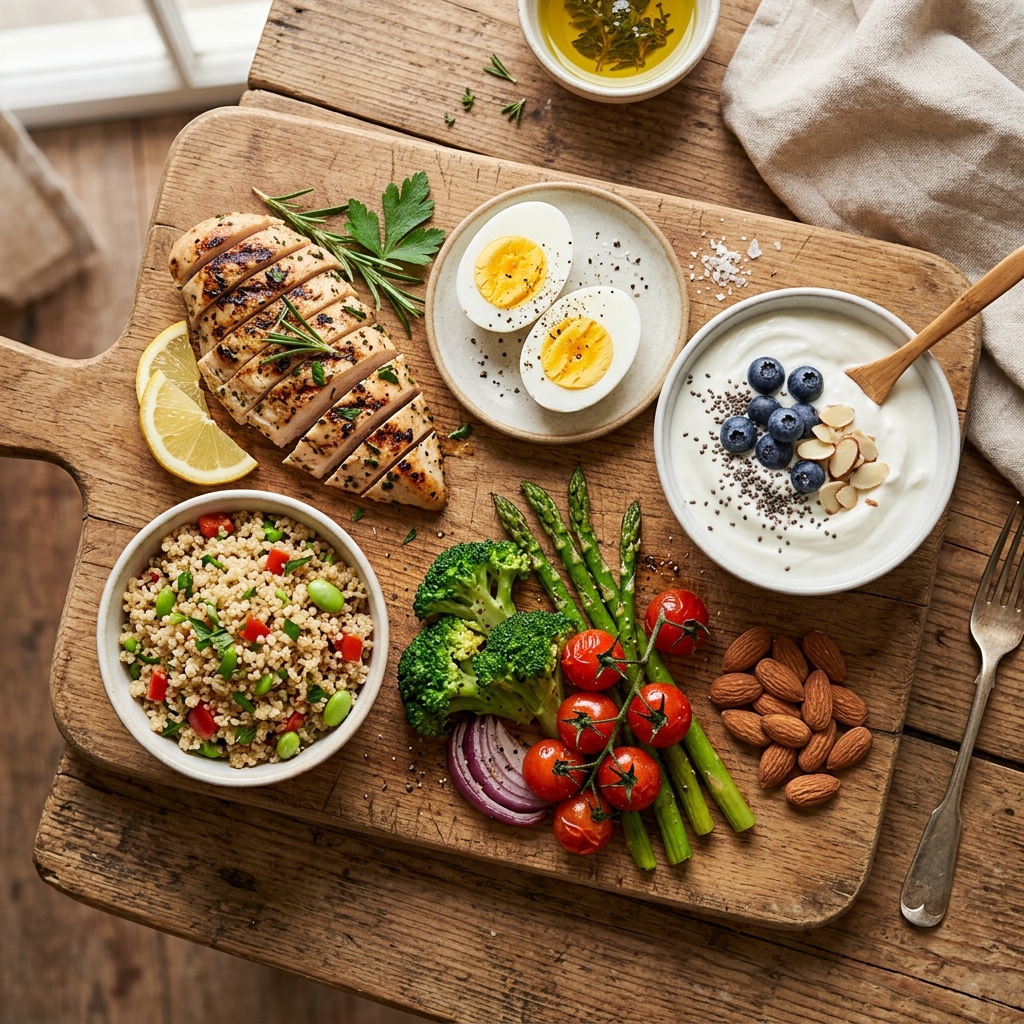
- Breakfast: 30g (e.g., 3 eggs + Greek yogurt)
- Lunch: 40g (e.g., chicken breast + quinoa)
- Snack: 20g (e.g., protein shake or cottage cheese)
- Dinner: 50g (e.g., salmon + lentils)
- Optional evening snack: 10g (e.g., casein protein)
This approach maximizes MPS throughout the day and combats anabolic resistance.
The Best Protein Sources for Over-40s
Not all protein is created equal. After 40, you want high-quality sources that are rich in leucine, the amino acid that triggers muscle protein synthesis. Aim for 2.5–3 grams of leucine per meal.
- Animal proteins: chicken, turkey, beef, fish, eggs, dairy (whey, Greek yogurt)
- Plant proteins: soy, legumes, quinoa, hemp seeds (combine to get complete amino acid profiles)
- Supplements: whey protein isolate, casein, or plant-based blends (look for added leucine)
If you're also focusing on joint health, consider incorporating collagen peptides, which support connective tissue. For a full program that pairs protein with joint-friendly lifting, check out our guide on Lifting Heavy After 40: How to Build Muscle Without Destroying Your Joints.
Why Protein Alone Isn't Enough: The Role of Strength Training
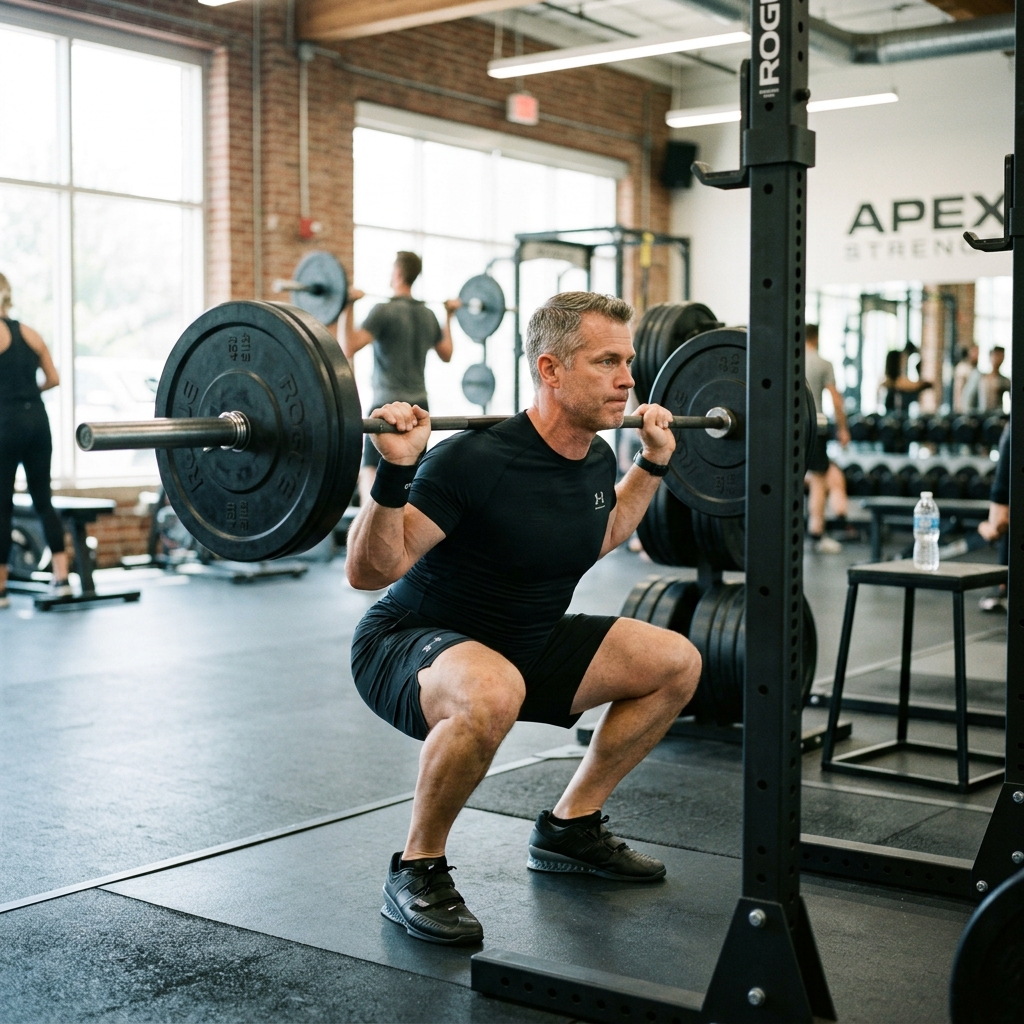
Protein is the building block, but you also need a stimulus to tell your body to build muscle. That stimulus is strength training. Without resistance exercise, excess protein may be converted to fat or excreted. Combining adequate protein with a progressive strength program is the most effective strategy to combat sarcopenia (age-related muscle loss) with strength training.
When you lift weights, you create micro-tears in muscle fibers. Protein then repairs those tears, making them bigger and stronger. This process also boosts your metabolism, helping counter the metabolic slowdown common after 40. For a structured approach, our article on How to Fix Metabolic Slowdown After 40 with Strength-Focused Nutrition offers practical steps.
Common Protein Mistakes to Avoid After 40
Mistake #1: Eating Too Much at One Meal
Your body can't store protein. Overloading a single meal (e.g., a 100g steak) may lead to excess amino acids being oxidized or stored as fat. Spread your intake.
Mistake #2: Ignoring Breakfast
Many over-40s skip breakfast or eat carb-heavy meals. Starting the day with 30–40g of protein can prevent mid-morning cravings and keep muscle synthesis active.
Mistake #3: Relying on Processed Protein Bars
Many bars are candy in disguise. Check the label for at least 15g of protein and fewer than 10g of sugar.
Mistake #4: Not Adjusting Protein as You Lose Weight
As you drop pounds, your protein needs per pound increase. Recalculate every 10 pounds lost.
Putting It All Together: A Step-by-Step Plan
Step 1: Calculate Your Daily Target
Use the formula above. Write it down and keep it visible.
Step 2: Plan Your Meals
Create a template: breakfast, lunch, snack, dinner. Each meal should contain a palm-sized portion of protein (about 20–30g).
Step 3: Choose Quality Sources
Rotate between chicken, fish, eggs, dairy, and plant options. Variety ensures a full amino acid profile.
Step 4: Time Your Protein Around Workouts
Consume 20–40g of protein within 2 hours after strength training. This window is optimal for muscle repair.
Step 5: Track and Adjust
Use a food app for a week to see if you're hitting your target. Adjust portions as needed.
Step 6: Combine with a Strength Program
Protein works best with exercise. If you're new, start with a 3-day strength training program for beginners over 40 and gradually increase intensity.
Conclusion: Your Protein Blueprint for Vitality
After 40, protein is not optional—it's a lifeline. By consuming 1.2–2.0 grams per kilogram daily, distributing it evenly, and pairing it with strength training, you can preserve muscle, boost metabolism, and maintain your independence for decades to come. Don't let the outdated RDA shortchange you. Start today by recalculating your protein needs and making one small change—like adding 30g of protein to your breakfast. Your future self will thank you.
For more expert guidance on building a resilient body, explore our 10 Essential Strength Workouts Every Adult Over 40 Should Master to complement your nutrition plan.