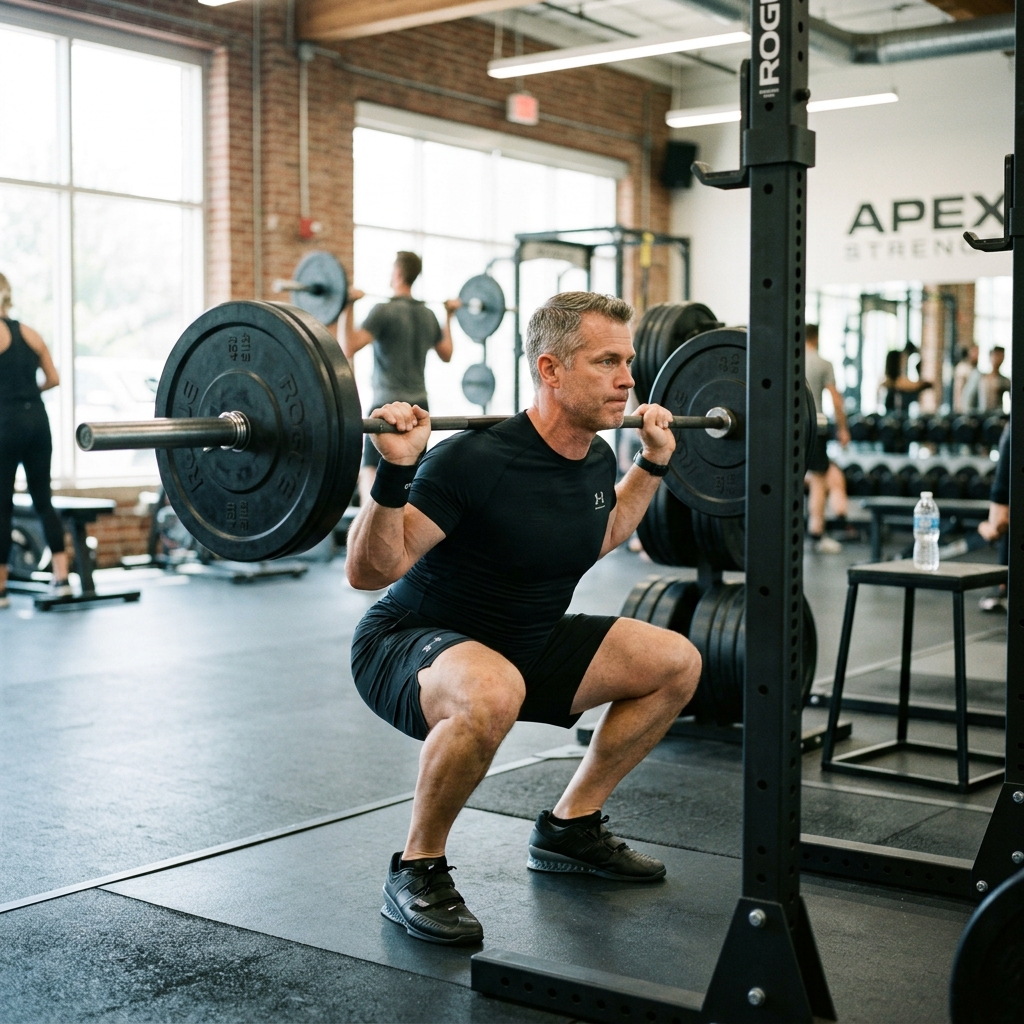
Turning 40 is not a signal to slow down—it's a signal to train smarter. While your younger self might have bounced back from a poor warm-up or a heavy lift, your body now demands more attention to recovery, mobility, and joint health. The good news? You can absolutely build strength, improve endurance, and stay injury-free well into your 40s and beyond. This guide reveals exactly how to prevent workout injuries and train pain-free after 40, so you can keep moving with confidence.
Why Injury Risk Increases After 40
After 40, your body undergoes natural changes that affect how it responds to exercise. Muscle mass declines at a rate of 3–8% per decade after age 30, and this accelerates after 40. Tendons and ligaments lose some of their elasticity, and cartilage can thin, making joints more vulnerable. Additionally, your balance and proprioception—the sense of where your body is in space—can decline, increasing the risk of falls and missteps.
But here’s the key: these changes are not inevitable. With the right approach, you can build a resilient body that thrives. The first step is understanding that training smart beats training hard when it comes to longevity.
The Golden Rule: Progressive Overload with Patience
One of the most common causes of injury in the 40+ crowd is doing too much, too soon. Whether you're returning to the gym or trying a new sport, your body needs time to adapt. Progressive overload—gradually increasing weight, reps, or intensity—is essential, but the pace must be slower than in your 20s.
Pro Tip: Follow the 10% rule—never increase your training volume or weight by more than 10% per week. This gives your tendons and joints time to strengthen alongside your muscles.
The Non-Negotiable Warm-Up: Prepare Your Body for Work
A proper warm-up is your first line of defense against injury. After 40, your muscles and joints need more time to receive blood flow and increase their range of motion. A dynamic warm-up—not static stretching—is the best way to prepare.
Dynamic Warm-Up Routine (5-10 minutes)
- Leg Swings: Forward and side-to-side to loosen hips.
- Arm Circles: Small to large circles to mobilize shoulders.
- Bodyweight Squats: 10 reps to activate the lower body.
- Walking Lunges: 8 per leg to open up hip flexors.
- Cat-Cow Stretch: On all fours to mobilize the spine.
This routine raises your core temperature, lubricates joints, and primes your nervous system for the work ahead.
Mobility: Your Secret Weapon for Pain-Free Movement
Mobility is not the same as flexibility—it’s the ability to move a joint through its full range of motion with control. After 40, joint stiffness can sneak up on you, leading to compensations that cause injury. Incorporate mobility work into your routine at least 3-4 times per week.
Key Mobility Exercises for the 40+ Athlete
- Hip Flexor Stretch: Kneeling lunge with a slight pelvic tilt—hold 30 seconds per side.
- Thoracic Spine Rotation: On all fours, touch your ear to the floor and rotate—10 reps per side.
- Ankle Mobilization: Knee-to-wall stretch—10 reps per side.
- Shoulder Pass-Throughs: With a broomstick or band—10 reps.
These exercises improve joint health and reduce the risk of strains and sprains.
Strength Training: The Foundation of Injury Prevention
Strength training is arguably the most effective way to prevent injuries after 40. Strong muscles protect joints, improve bone density, and enhance balance. But not all strength training is created equal. Focus on compound movements that mimic real-life activities and build functional strength.
If you’re new to strength training or need a structured plan, consider following the 10 Essential Strength Workouts Every Adult Over 40 Should Master. These exercises target the major muscle groups and are perfect for building a solid foundation.
The 5 Key Lifts for Longevity
- 1.Squat (bodyweight or goblet) – Builds leg and core strength.
- 2.Deadlift (trap bar or kettlebell) – Strengthens the posterior chain.
- 3.Push-Up (on knees or wall if needed) – Works chest, shoulders, and triceps.
- 4.Row (dumbbell or resistance band) – Balances the back and improves posture.
- 5.Plank – Engages the core and stabilizes the spine.
Perform 2-3 sets of 8-12 reps, focusing on perfect form over heavy weight. If you're looking for a structured weekly plan, the best 4 day strength training split over 40 can help you organize your training for maximum results with minimal injury risk.
Listen to Your Body: The Art of Smart Progression
Pain is not a badge of honor. After 40, you must learn to distinguish between muscle soreness (good) and joint or sharp pain (bad). If you feel a sharp pain, stop immediately. Rest, ice, and seek professional advice if it persists.
The 2-Hour Rule
If an activity causes pain that lasts more than 2 hours after your workout, you did too much. Scale back next time. This simple rule can prevent minor tweaks from becoming chronic injuries.
Recovery: Where the Magic Happens
Recovery is not laziness—it’s essential for injury prevention. After 40, your body takes longer to repair muscle tissue and replenish energy stores. Prioritize sleep, hydration, and stress management.
Sleep: The Ultimate Recovery Tool
Aim for 7-9 hours of quality sleep each night. Sleep is when your body releases growth hormone, which repairs tissues and reduces inflammation. If you struggle with sleep, consider natural supplements like magnesium. Magnesium Demystified: Which Form Do You Need for Deep Sleep and Recovery? explains how this mineral can improve sleep quality and muscle recovery.
Nutrition: Fuel Your Body for Repair
Your muscles need protein to rebuild. As you age, your body becomes less efficient at using dietary protein, so you need to be more intentional about your intake. Check out protein needs after 40 to learn exactly how much you should be eating. And for meal ideas, the Top 10 High-Protein Meal Prep Recipes to Support Muscle Strength can help you hit your targets deliciously.
If you’re looking for more variety, explore the BEST RECIPES FOR WOMEN OVER 40 YEARS for meals that boost protein and vitality.
The Role of Supplements: Creatine and Beyond
While food comes first, certain supplements can support joint health and recovery. Creatine, for example, is not just for bodybuilders. Creatine Isn't Just for Bodybuilders: The Brain and Muscle Benefits You’re Missing highlights how creatine can improve muscle strength, power, and even cognitive function in adults over 40.
Top Supplements for Joint Health
- Omega-3 Fatty Acids: Reduce inflammation.
- Vitamin D: Supports bone health and immune function.
- Collagen Peptides: May support tendon and ligament health.
- Glucosamine and Chondroitin: Some evidence for joint pain relief.
Always consult your doctor before starting new supplements.
Common Injuries After 40 and How to Avoid Them
Rotator Cuff Issues
Shoulder problems are common due to years of wear and tear. Avoid overhead presses with heavy weights if you have shoulder pain. Instead, focus on external rotation exercises and scapular stability.
Knee Pain
Often caused by weak glutes and tight quads. Strengthen your glutes with hip thrusts and clamshells, and stretch your quads regularly.
Lower Back Pain
Usually a result of weak core and poor lifting mechanics. Master the deadlift with light weights and always brace your core.
A Step-by-Step Plan to Start Training Pain-Free Today
Step 1: Assess Your Current Fitness Level
Before starting any program, do a simple self-assessment: how many push-ups can you do? How long can you hold a plank? This gives you a baseline.
Step 2: Set Realistic Goals
Define what you want to achieve—whether it's lifting a certain weight, running a 5K, or simply feeling stronger. Break it into monthly milestones.
Step 3: Choose a Balanced Program
Incorporate strength, cardio, and mobility work. If you’re a man, the best 4 day strength training split over 40 is a great starting point.
Step 4: Warm Up Every Time
Never skip your dynamic warm-up. It’s non-negotiable.
Step 5: Track Your Progress
Keep a workout journal. Note your sets, reps, and how you feel. This helps you spot overtraining before it turns into injury.
Step 6: Prioritize Recovery
Schedule rest days and active recovery (like walking or yoga). Use foam rolling and massage to release tight muscles.
The Longevity Mindset: Why This Matters
Preventing injuries isn’t just about avoiding pain—it’s about maintaining your independence and quality of life as you age. Muscle strength is directly linked to longevity. The Longevity Advantage: Why Muscle Strength Is the Ultimate Medicine explains how staying strong can add years to your life and life to your years.
Conclusion: Your Body Is Your Best Asset
Training pain-free after 40 is not about being fragile—it’s about being smart. By warming up properly, incorporating mobility, strength training with perfect form, and prioritizing recovery, you can continue to do what you love for decades to come. Remember: consistency beats intensity. Start today, listen to your body, and enjoy the journey to a stronger, healthier you.
Now, go ahead and apply these principles. Your future self will thank you.