The Hidden Danger in Your Belly: Why Fat Distribution Matters More Than Weight
When you step on the scale, it tells you one number. But your body composition—and specifically where you store fat—tells a far more critical story about your metabolic health, your hormone balance, and your long-term risk of chronic disease. After age 40, this distinction becomes even more important.
The two main types of fat in your body are visceral fat and subcutaneous fat. While both sit in your midsection, they behave very differently. Subcutaneous fat is the soft, pinchable layer just beneath your skin. Visceral fat, on the other hand, is the hidden, dangerous fat that wraps around your vital organs—your liver, pancreas, and intestines.
Visceral fat is not just inert storage. It's an active endocrine organ that releases inflammatory cytokines and hormones that can disrupt insulin sensitivity, promote chronic inflammation, and increase your risk of heart disease, type 2 diabetes, and even certain cancers. Subcutaneous fat, while still not ideal, is far less metabolically harmful.
So, how do you know which type you have? The simplest proxy is your waist-to-hip ratio. If you carry most of your weight around your abdomen (an apple shape), you're more likely to have high visceral fat. If your weight is distributed around your hips and thighs (a pear shape), you have more subcutaneous fat. A waist-to-hip ratio above 0.90 for men and 0.85 for women is considered high risk.
The good news: visceral fat is actually easier to lose than subcutaneous fat. It's more metabolically active, meaning it responds quickly to dietary and exercise changes. But it also requires a strategic approach—especially after 40, when hormonal shifts (declining testosterone in men, declining estrogen in women) can make fat storage more stubborn.
This article will walk you through the science-backed diet shifts that target visceral fat first, without resorting to extreme calorie restriction or unsustainable fads. You'll learn exactly what to eat, when to eat, and why protein and fiber are your best allies.
Understanding Visceral Fat vs. Subcutaneous Fat: The Science Simplified
What is Visceral Fat?
Visceral fat is the fat stored deep inside your abdominal cavity. It surrounds your liver, stomach, and intestines. Because it's so close to your vital organs, it can directly interfere with their function. It's also highly inflammatory, releasing molecules like IL-6 and TNF-alpha that can trigger systemic inflammation.
Pro Tip: You can't spot-reduce visceral fat. But you can use your waist measurement as a simple tracking tool. If your waist is shrinking, you're losing visceral fat—even if the scale isn't moving much.
What is Subcutaneous Fat?
Subcutaneous fat is the fat you can pinch. It sits just beneath your skin and is relatively benign. It provides insulation, stores energy, and protects your muscles and bones. While excess subcutaneous fat can be aesthetically bothersome, it's not directly linked to the same metabolic dangers as visceral fat.
Why Visceral Fat is More Dangerous
Visceral fat is more than just stored energy. It's an active organ that produces hormones and inflammatory markers. This can lead to:
- Insulin resistance: Your cells become less responsive to insulin, leading to high blood sugar and eventually type 2 diabetes.
- Dyslipidemia: Higher triglycerides and LDL cholesterol, lower HDL cholesterol.
- Hypertension: Increased blood pressure, straining your heart.
- Non-alcoholic fatty liver disease: Fat accumulation in the liver, which can progress to cirrhosis.
The Diet Shifts That Target Visceral Fat First
Now, let's get to the practical part. These are the dietary strategies that have the strongest evidence for reducing visceral fat, especially for adults over 40.
1. Prioritize Protein at Every Meal
Protein is the most satiating macronutrient. It also has the highest thermic effect of food (TEF), meaning your body burns more calories digesting it. But more importantly for visceral fat, protein helps preserve lean muscle mass during weight loss. Muscle is metabolically active tissue that burns calories even at rest.
After 40, the risk of sarcopenia (age-related muscle loss) increases. If you cut calories without adequate protein, you'll lose muscle along with fat—which slows your metabolism and makes it harder to keep the weight off. Aim for 30-40 grams of high-quality protein per meal. This aligns with the principles outlined in The 30g Protein Rule: Why Meal Timing Matters More Than Total Calories After 40.
Good protein sources include lean meats, poultry, fish, eggs, dairy, legumes, and quality protein powders. And don't forget about creatine—it's not just for bodybuilders. Creatine for men over 40 can help preserve muscle mass and even support brain health.
2. Embrace Fiber-Rich Carbohydrates
Carbohydrates aren't the enemy. The problem is refined carbs—white bread, sugary cereals, pastries—that spike blood sugar and insulin, which promotes fat storage, especially visceral fat. Instead, focus on fiber-rich, whole-food carbs that digest slowly and keep you full.
Fiber also feeds your gut microbiome. A healthy gut is linked to lower inflammation and better weight management. Aim for at least 25-35 grams of fiber per day. Great choices include:
- Oats, quinoa, brown rice
- Legumes (beans, lentils, chickpeas)
- Vegetables (broccoli, spinach, bell peppers)
- Fruits (berries, apples, pears)
3. Swap Saturated Fats for Unsaturated Fats
Fat isn't the villain—it's the type of fat that matters. Saturated fats, found in fatty red meat, butter, and processed snacks, can promote inflammation and insulin resistance. Unsaturated fats, like those in olive oil, avocados, nuts, and fatty fish, have anti-inflammatory properties and may help reduce visceral fat.
Specifically, omega-3 fatty acids (from fish like salmon and sardines) have been shown to reduce visceral fat accumulation. Aim for at least two servings of fatty fish per week, or consider a high-quality fish oil supplement.
4. Cut Added Sugars and Refined Grains
This is non-negotiable. Added sugars, especially fructose, are directly linked to visceral fat accumulation. Fructose is metabolized in the liver and, when consumed in excess, promotes de novo lipogenesis—the creation of new fat in the liver. This fat can then end up as visceral fat.
Refined grains (white bread, white rice, pasta) are quickly digested and spike blood sugar, leading to insulin surges that promote fat storage. Replace them with whole grains, or better yet, swap some grains for vegetables to reduce total carb load.
5. Consider Intermittent Fasting (But Choose Wisely)
Intermittent fasting (IF) can be a powerful tool for visceral fat reduction because it helps regulate insulin levels and promotes fat oxidation. However, it's not for everyone—especially if you have a history of disordered eating, are pregnant, or have certain medical conditions.
If you decide to try IF, start with a 12-hour overnight fast (e.g., 7 PM to 7 AM) and gradually extend to 14-16 hours. Focus on eating high-protein, high-fiber meals during your eating window. And remember to stay hydrated.
6. Hydrate with Purpose
Water is often overlooked, but it's essential for metabolism. Even mild dehydration can slow your metabolism and increase hunger. Aim for at least 8-10 cups of water daily, and consider swapping sugary drinks for water, sparkling water, or unsweetened tea.
Green tea contains catechins and caffeine, which may slightly boost metabolism and fat burning. A cup or two per day can be a healthy addition.
7. Manage Stress and Sleep
Stress and sleep are not directly diet, but they profoundly affect your food choices and hormone levels. Chronic stress raises cortisol, a hormone that encourages visceral fat storage. Poor sleep disrupts ghrelin and leptin, increasing hunger and cravings.
Aim for 7-9 hours of quality sleep per night. Practice stress-reducing activities like meditation, deep breathing, or gentle yoga. This is part of a holistic approach that also includes exercise—and if you're over 40, consider adding a strength routine like The Minimalist 3-Day Strength Routine for Muscle Mass and Joint Longevity to your weekly schedule.
The Role of Exercise: Beyond Diet
While diet is the primary driver of visceral fat loss, exercise is a close second. Aerobic exercise (like brisk walking, jogging, cycling) is particularly effective at burning visceral fat. High-intensity interval training (HIIT) has also been shown to reduce visceral fat in a short amount of time.
But don't neglect strength training. Building muscle increases your resting metabolic rate, making it easier to maintain weight loss. It also improves insulin sensitivity. If you're new to strength training, start with bodyweight exercises and gradually add weights. For a structured plan, check out The Minimalist 3-Day Strength Routine for Muscle Mass and Joint Longevity.
And don't forget about cardio fitness. VO2 Max Is the Single Best Predictor of Lifespan: How to Test and Improve Yours explains why improving your cardiovascular fitness is crucial for longevity—and it also helps you burn visceral fat more efficiently.
Sample Meal Plan to Target Visceral Fat
Here's a one-day sample meal plan that incorporates all the principles above. It's high in protein, fiber, and healthy fats, and low in refined carbs and added sugars.
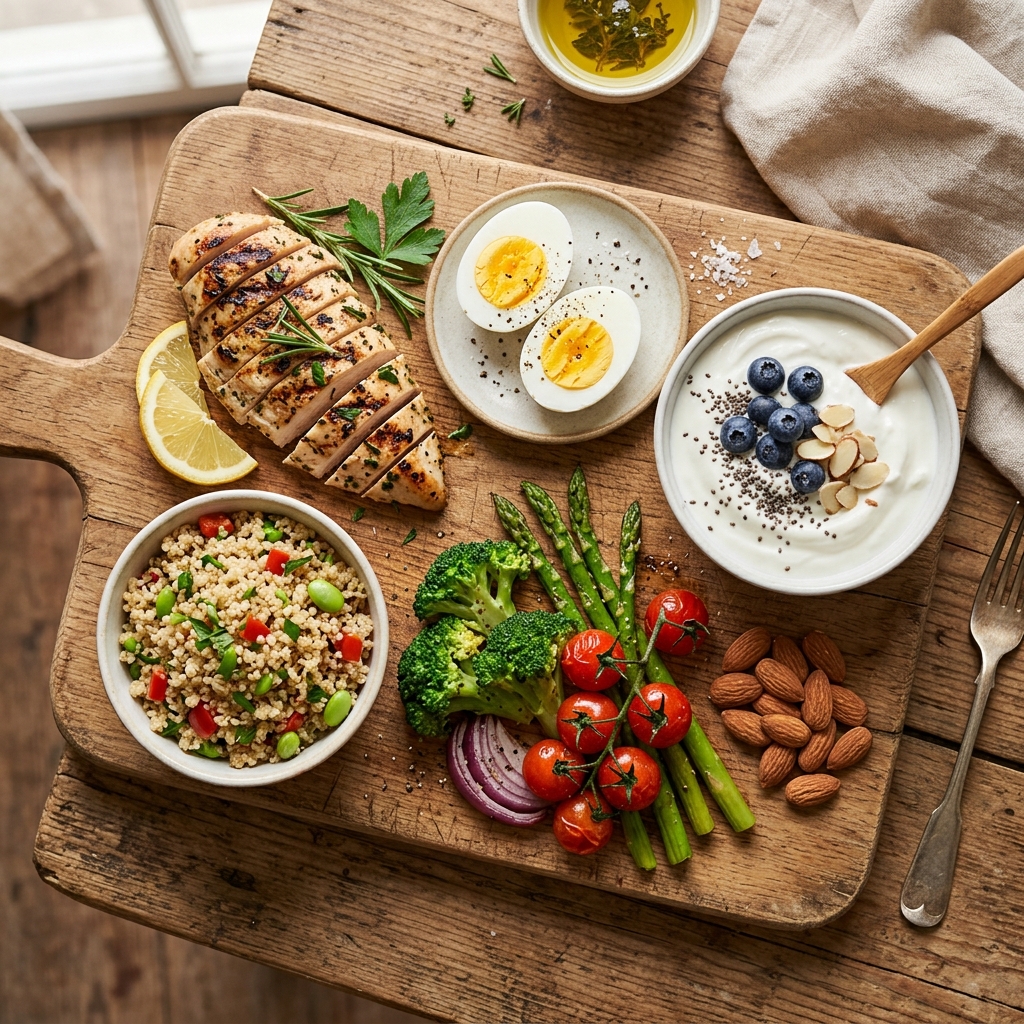
Breakfast: Greek yogurt (plain, full-fat) with berries, chia seeds, and a sprinkle of cinnamon. (About 25g protein)
Lunch: Grilled chicken salad with mixed greens, avocado, cherry tomatoes, cucumber, and a vinaigrette made with olive oil and lemon. (About 35g protein)
Snack: A handful of almonds and a piece of fruit (an apple or a pear). (About 6g protein)
Dinner: Baked salmon with a side of roasted broccoli and quinoa. (About 40g protein)
Optional Evening Snack: Cottage cheese with a few walnut halves. (About 15g protein)
Total protein: ~120g, fiber: ~35g, and plenty of healthy fats.
Practical Steps to Implement Today
- 1.Measure your waist: Use a tape measure to record your waist circumference. Re-measure every two weeks to track progress.
- 2.Clean out your pantry: Remove sugary snacks, refined grains, and processed foods. Replace them with whole-food alternatives.
- 3.Stock up on protein: Buy lean meats, eggs, Greek yogurt, and legumes. Keep them visible and accessible.
- 4.Plan your meals: Spend an hour on Sunday prepping meals for the week. This reduces temptation and ensures you stay on track.
- 5.Stay hydrated: Carry a water bottle with you and set reminders to drink.
- 6.Move more: Aim for at least 10,000 steps a day, and incorporate two strength sessions and two HIIT sessions per week.
Conclusion: Your First Step to a Flatter, Healthier Belly
Visceral fat is not just an aesthetic issue—it's a major risk factor for metabolic disease. But the good news is that with the right dietary shifts, you can target it effectively, even after 40. Focus on protein, fiber, healthy fats, and cutting out added sugars and refined carbs. Combine that with regular exercise, stress management, and adequate sleep, and you'll not only lose belly fat but also improve your overall health and longevity.
Start with one change this week. Maybe it's swapping your breakfast cereal for Greek yogurt and berries. Or adding a protein shake after your workout. Small, consistent changes compound over time.
And if you're looking for more meal ideas that are both delicious and designed for your age group, check out our best recipes for women over 40 years or our best recipes for man over 30—both are packed with protein and flavor to support your goals.
Your future self will thank you.