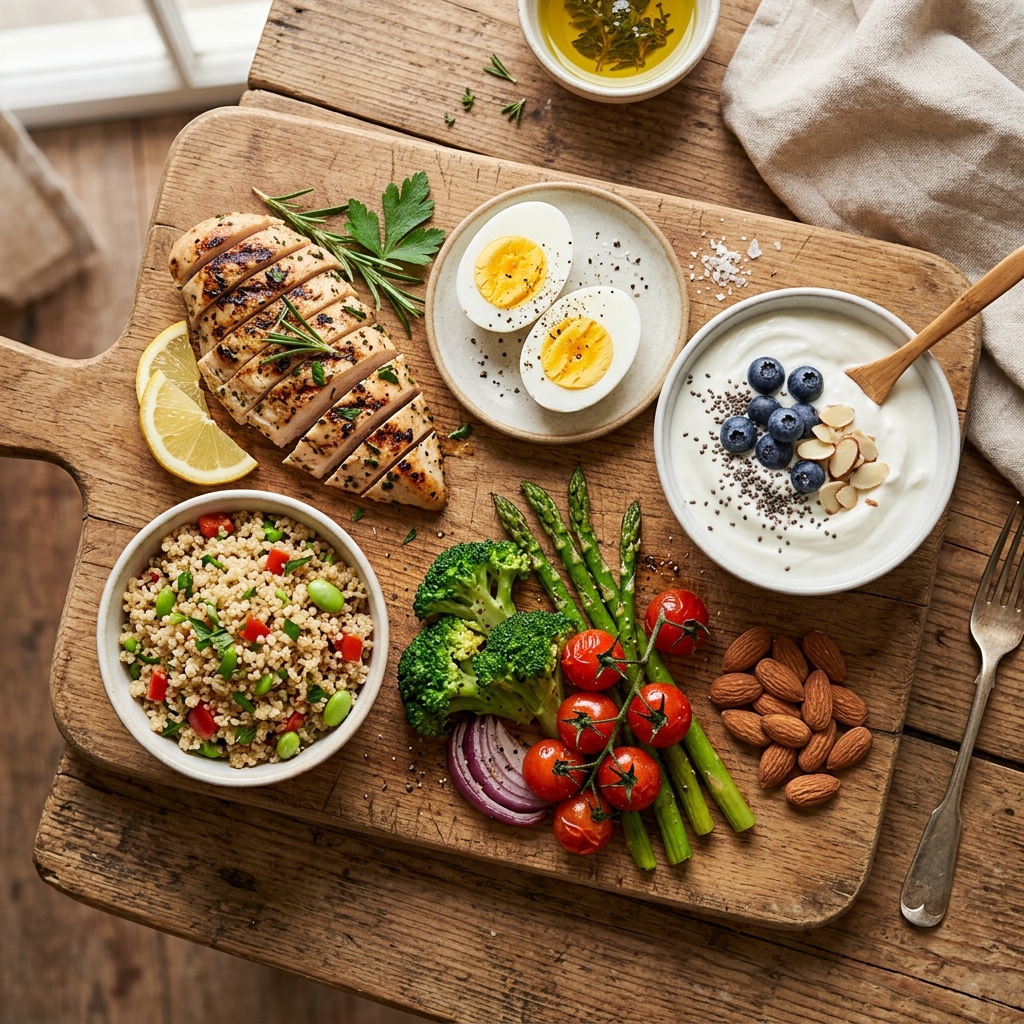
Why High-Protein, Sugar-Free Snacking Matters After 45
If you've noticed that the same snack that used to hold you until dinner now leaves you ravenous an hour later, you're not imagining it. After 45, your body undergoes subtle but significant changes in muscle mass, metabolism, and hunger hormones that make snacking choices far more consequential. Reaching for a granola bar or a handful of crackers—often loaded with processed sugar—can spike your blood glucose, trigger an insulin response, and leave you hungrier than before.
The solution isn't to white-knuckle your way to meals. It's to choose high-protein snacks that stabilize blood sugar, preserve lean muscle, and keep you genuinely satisfied. In this guide, you'll discover the best high-protein snacks to stay full after 45 without processed sugar, plus practical steps to build a snacking strategy that supports your vitality and longevity.
The 40+ Snacking Shift: Hormones, Muscle, and Blood Sugar
After 40, several physiological shifts converge:
- Muscle loss (sarcopenia): Adults lose 3–8% of muscle mass per decade after 30, accelerating after 60. Protein at each meal and snack helps counteract this.
- Hormonal changes: Declining estrogen and testosterone affect appetite regulation and fat distribution.
- Insulin sensitivity: Cells become less responsive to insulin, making sugar spikes more damaging.
- Appetite hormones: Ghrelin (hunger) and leptin (fullness) can become dysregulated, leading to increased cravings.
A snack that's mostly refined carbohydrates—even if it's "low-fat"—will worsen these issues. Protein, fiber, and healthy fats, on the other hand, slow digestion, blunt glucose spikes, and promote satiety. If you're unsure how much protein you actually need, our science-backed guide on How Much Protein Do You Really Need After 40? breaks down the optimal daily intake for muscle and metabolic health.
Pro Tip: Aim for 20–30 grams of protein per snack. This threshold is generally required to maximally stimulate muscle protein synthesis in adults over 40, helping you preserve lean mass while keeping hunger at bay.
What Makes a Snack "High-Protein" and "Sugar-Free"?
Not all protein snacks are created equal. Many commercial options hide added sugars under names like maltodextrin, dextrose, cane syrup, or fruit juice concentrate. For a snack to qualify as truly high-protein and sugar-free, it should:
- Contain at least 15–20 grams of protein per serving.
- Have no added sugars (naturally occurring sugars from whole foods like plain Greek yogurt are fine).
- Include fiber (ideally 3+ grams) to further slow digestion.
- Be minimally processed and free from artificial sweeteners if possible (some people tolerate them, but whole-food options are superior).
Top High-Protein Snacks to Stay Full After 45 (No Processed Sugar)
Here are the best options, ranked by convenience and nutrient density.
1. Greek Yogurt with Chia Seeds and Berries
Plain, unsweetened Greek yogurt is a protein powerhouse: one cup delivers about 20 grams of protein. Add a tablespoon of chia seeds for fiber and omega-3s, and a handful of fresh berries for antioxidants and natural sweetness. This combination provides slow-digesting protein, healthy fats, and fiber—a trifecta for satiety. Avoid flavored yogurts, which often contain 15+ grams of added sugar.
2. Hard-Boiled Eggs with Avocado
Two hard-boiled eggs offer 12 grams of high-quality protein, and half an avocado adds 7 grams of fiber and heart-healthy monounsaturated fats. The combination is portable, satisfying, and virtually sugar-free. Sprinkle with salt, pepper, and paprika for flavor.
3. Cottage Cheese with Nuts and Cinnamon
Half a cup of full-fat cottage cheese provides 14 grams of protein. Top with a tablespoon of chopped almonds or walnuts and a dash of cinnamon. The cinnamon adds sweetness without sugar and may help improve insulin sensitivity. Choose cottage cheese without added cream or sugar.
4. Turkey or Chicken Roll-Ups with Hummus
Slice lean turkey or chicken breast and spread with hummus, then roll up. Three ounces of turkey delivers about 20 grams of protein, while hummus adds fiber and healthy fats. This savory snack is perfect for those who prefer not to eat sweet snacks.
5. Edamame (Shelled or in Pods)
One cup of shelled edamame contains 18 grams of plant protein and 8 grams of fiber. Steam or boil, then sprinkle with sea salt. It's a satisfying, sugar-free snack that supports muscle and gut health. For more on fiber's role after 40, see our article on how much fiber you need daily after 40 for gut health and longevity.
6. Protein Shake with Unsweetened Almond Milk and Nut Butter
A scoop of high-quality whey or plant protein powder (choose one without added sugar) blended with unsweetened almond milk and a tablespoon of almond butter yields 25–30 grams of protein. This is one of the most effective hunger-crushing snacks. If you're unsure which protein powder is best for your goals, our comparison of Whey vs. Plant Protein: Best Supplement for Building Muscle Strength can help you decide.
7. Tuna or Salmon Salad Lettuce Wraps
Mix canned wild salmon or tuna with Greek yogurt instead of mayonnaise, add chopped celery and herbs, and wrap in lettuce leaves. This provides 20+ grams of protein, omega-3 fatty acids, and no added sugar. Omega-3s also support joint health—learn more in our guide to anti inflammatory foods for joint pain after 40.
8. Roasted Chickpeas
One cup of roasted chickpeas offers 14 grams of protein and 12 grams of fiber. Toss with olive oil, cumin, and paprika, then roast until crunchy. They're a satisfying, sugar-free alternative to chips or pretzels.
9. Beef or Turkey Jerky (No Added Sugar)
Choose jerky brands with no added sugar or minimal natural sweeteners. A one-ounce serving provides 9–12 grams of protein. It's shelf-stable and perfect for travel or desk drawers.
10. Protein-Packed Chia Pudding
Mix 3 tablespoons of chia seeds with one cup of unsweetened almond milk and a scoop of protein powder. Let it sit overnight. This yields about 25 grams of protein and 10 grams of fiber. Top with berries or nuts for extra flavor.
How to Build a Satisfying Snack: Step-by-Step
- 1.Start with a protein base. Choose Greek yogurt, cottage cheese, eggs, lean meat, or protein powder. Aim for 20–30 grams.
- 2.Add fiber. Include vegetables, berries, chia seeds, or legumes. Fiber slows digestion and promotes fullness.
- 3.Include healthy fat. Avocado, nuts, seeds, or olive oil add satiety and help absorb fat-soluble vitamins.
- 4.Skip added sugar. Sweeten naturally with cinnamon, vanilla extract, or a few berries if needed.
- 5.Prep ahead. Portion snacks into containers or bags on Sunday to avoid reaching for processed options during a busy week.
- 6.Stay hydrated. Thirst can masquerade as hunger. Drink water or unsweetened tea with your snack.
Pro Tip: Pair your snack with a glass of water or unsweetened green tea. Hydration supports metabolic function and can enhance the satiety signal from protein.
Common Mistakes to Avoid
- Choosing "protein" bars with 20g of sugar. Always read labels; many bars are candy in disguise.
- Relying on shakes only. Whole-food protein sources provide additional nutrients and fiber.
- Ignoring portions. Even healthy snacks can add excess calories if you graze mindlessly.
- Skipping snacks entirely. For many over 45, going too long between meals leads to overeating later. A planned high-protein snack can stabilize energy and appetite.
The Bottom Line
After 45, snacking isn't just about bridging hunger—it's a strategic opportunity to support muscle, metabolism, and longevity. By choosing high-protein snacks without processed sugar, you can stay full, maintain steady energy, and protect your lean mass. Start with the options above, prep them ahead, and adjust based on your hunger and goals. Your future self will thank you.
For a deeper dive into optimizing your overall protein intake, don't miss our guide on How Much Protein Do You Really Need After 40?. And if you're looking to build stamina alongside smart nutrition, our walking workout plan for men over 40 to build stamina is a great place to start.