Why the Protein Debate Matters More After 40
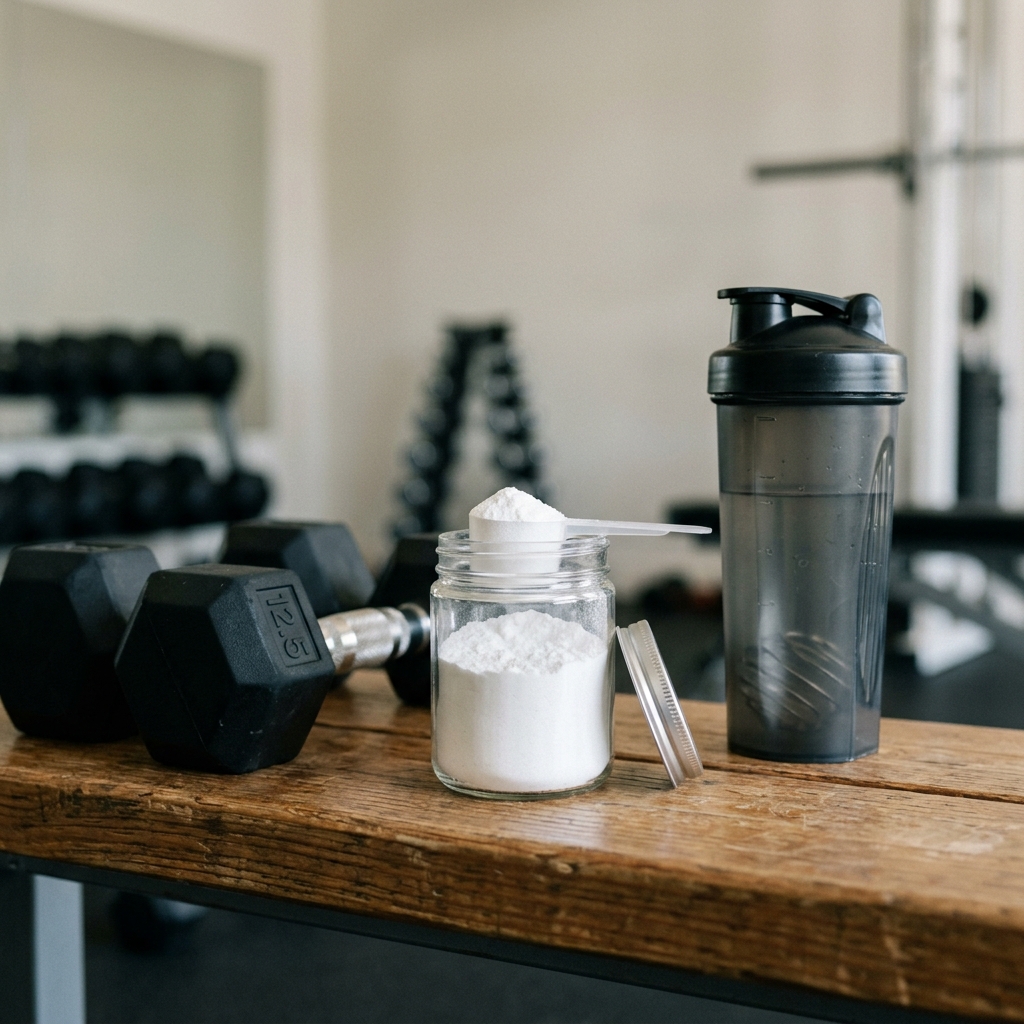
Your body changes after 40—muscle mass naturally declines, and your protein needs increase to preserve strength and function. But with so many protein powders on the market, the age-old question remains: whey vs. plant protein—which is actually best for building muscle strength?
The answer isn’t as simple as “whey wins.” Both can be effective, but the best choice depends on your digestion, dietary preferences, and how your body processes amino acids. Let’s break down the science so you can make an informed decision.
The Amino Acid Showdown: Whey’s Edge
Whey protein is a complete protein, meaning it contains all nine essential amino acids. It’s especially rich in leucine, the amino acid that directly triggers muscle protein synthesis (MPS)—the process that builds new muscle tissue.
Plant proteins, on the other hand, are often incomplete, meaning they lack one or more essential amino acids. For example, pea protein is low in methionine, while rice protein is low in lysine. However, the industry has solved this by blending plant sources (like pea + rice) to create a complete profile.
That said, even with a blend, the leucine content of plant protein is often lower than whey. You may need to consume slightly more plant protein to hit the same leucine threshold—typically around 2-3 grams per serving.
Digestibility and Absorption: The Gut Factor
As you age, your digestive system becomes less efficient. Whey is quickly absorbed, making it ideal for post-workout recovery. But some people experience bloating or lactose intolerance—which is where plant protein shines.
Plant proteins (like pea, hemp, and brown rice) are generally easier on the stomach and hypoallergenic. They also provide fiber and antioxidants, which support gut health—a key factor for protein over 40.
If you have dairy sensitivities or prefer a more plant-forward diet, a high-quality plant blend can be just as effective as whey.
Muscle Building Science: What the Research Says
Multiple studies have compared whey and plant protein for muscle gain. A 2019 study in Nutrients found that pea protein produced similar gains in muscle thickness and strength as whey when combined with resistance training. Another meta-analysis in the Journal of the International Society of Sports Nutrition concluded that both sources are effective, as long as you consume enough total protein and leucine.
The key takeaway: total daily protein and leucine intake matter more than the source.
Special Considerations for the 40+ Lifter
After 40, your body becomes less responsive to protein—a phenomenon called “anabolic resistance.” That means you need more protein per meal to stimulate MPS. Aim for 1.2–2.0 grams per kilogram of body weight daily, spread across 3-4 meals.
If you’re lifting heavy, you also need to protect your joints and recover properly. Check out Lifting Heavy After 40: How to Build Muscle Without Destroying Your Joints for joint-friendly training tips.
Additionally, don’t overlook other supplements that complement protein. Creatine Isn't Just for Bodybuilders: The Brain and Muscle Benefits You’re Missing 2026 can amplify strength gains, while Vitamin D3 + K2: The Synergistic Duo for Bone Density and Heart Health supports bone health—critical for staying active.
How to Choose the Best Protein Supplement for You
Step 1: Check the Amino Acid Profile
Look for a complete protein with at least 2.5g of leucine per serving. If you choose plant protein, opt for a blend (pea + rice or soy) to ensure completeness.
Step 2: Consider Your Digestion
If you experience bloating with whey, switch to a plant-based option. If you tolerate dairy well, whey isolate is a great choice.
Step 3: Look for Third-Party Testing
Choose supplements that are NSF Certified for Sport or Informed Choice to ensure purity and label accuracy.
Step 4: Taste and Mixability
You’ll be more consistent if you enjoy your protein. Try samples to find a flavor and texture you like.
Step 5: Incorporate into a Balanced Diet
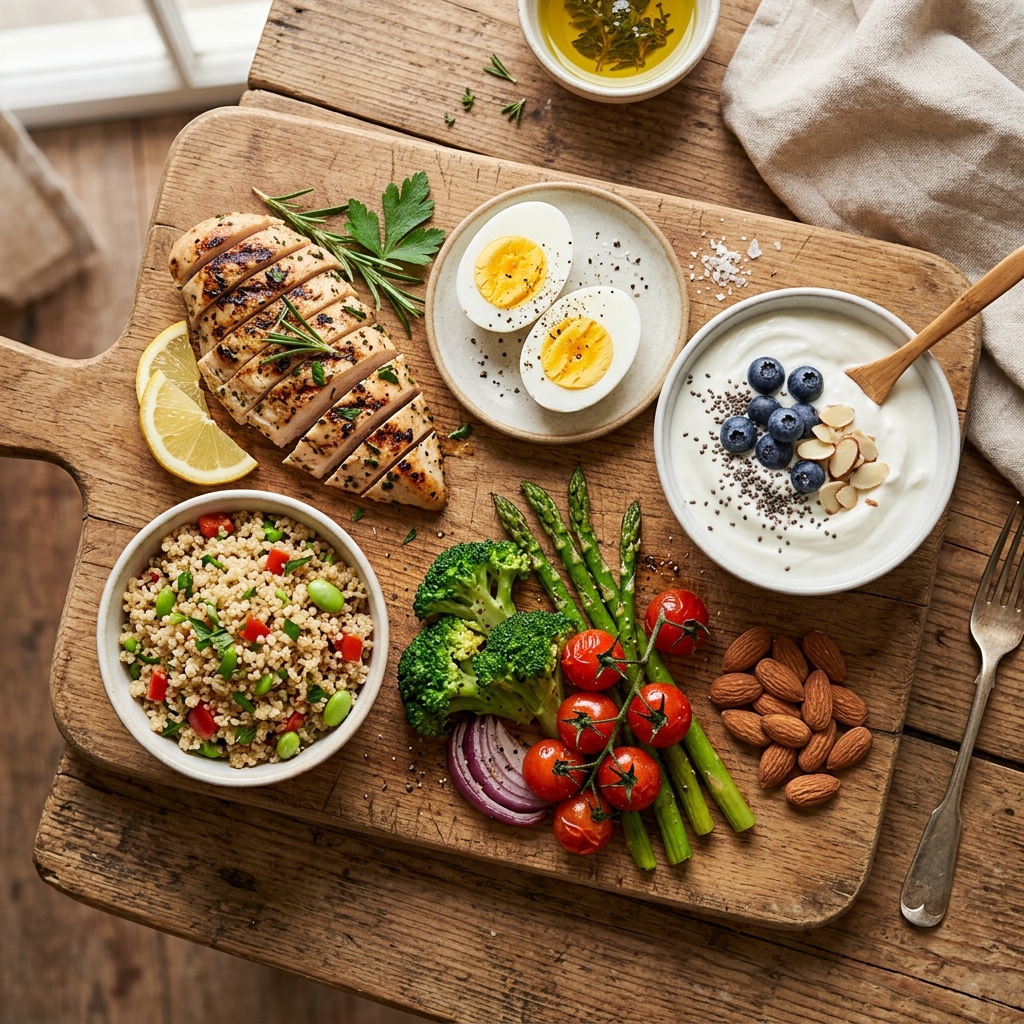
Protein supplements are just that—supplements. Focus on whole foods first, then use powder to hit your daily goals.
Pro Tip: For muscle building after 40, aim for 30-40g of protein per meal. If you’re using plant protein, add 5-10g more to compensate for lower leucine content.
The Verdict: Which Is Best?
For most people over 40, both whey and plant protein can effectively build muscle strength. If you have no dairy issues, whey is convenient and highly bioavailable. If you prefer plant-based options or have digestive sensitivities, a high-quality plant blend will serve you just as well.
The most important factor is consistency—choose a protein you’ll actually drink daily, and pair it with resistance training.
Conclusion: Your Next Step
Stop overthinking the whey vs. plant protein debate. Pick a high-quality supplement that fits your lifestyle, hit your daily protein goals, and focus on progressive overload in the gym. Your muscles will respond—regardless of the source.
If you’re new to strength training, consider Strength Training for Women Over 40: Hormones, Muscle, and Bone Density or How to Fix Metabolic Slowdown After 40 with Strength-Focused Nutrition to optimize your approach. And don’t let chronic stress undermine your gains—learn the High Cortisol Signs: How Chronic Stress Secretly Sabotages Your Fitness Goals.
Your strength journey is just beginning. Choose your protein, lift heavy, and enjoy the benefits of a stronger, healthier body.