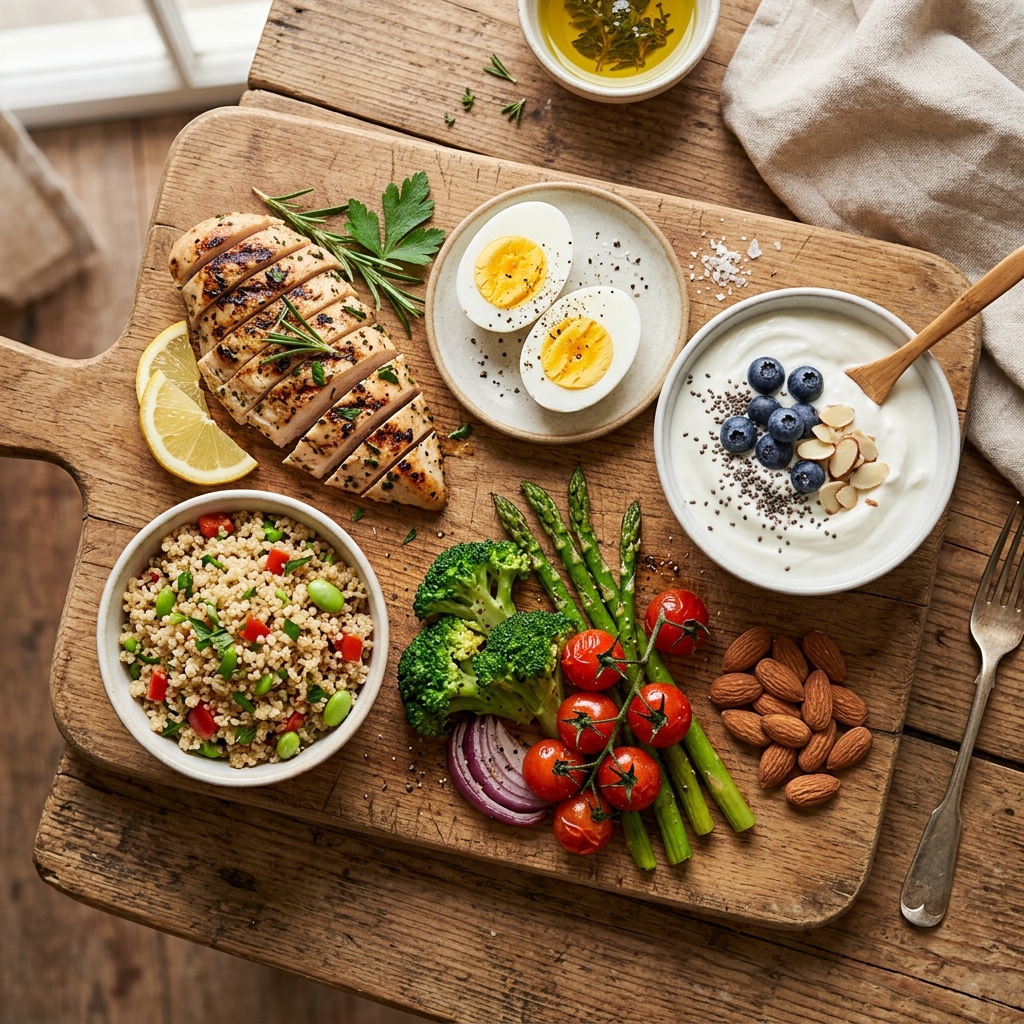
Why Magnesium Matters More for Muscle Recovery After 40
If you're over 40, you've likely noticed that recovery takes longer, sleep isn't as deep, and muscle soreness lingers. While many factors contribute, one overlooked mineral plays a starring role: magnesium. This essential nutrient is involved in over 300 enzymatic reactions, including muscle contraction, protein synthesis, and nervous system regulation. After 40, natural declines in magnesium absorption and increased excretion make deficiency more common—and that can sabotage your fitness gains.
Eating the right magnesium-rich foods before bed can be a game-changer. Not only does magnesium support muscle relaxation and repair, but it also promotes deeper sleep, when growth hormone peaks and true recovery happens. In this article, we'll explore the best foods to eat before bed, why they work, and how to incorporate them into your evening routine for maximum benefit.
Pro Tip: Pair magnesium-rich foods with a small amount of protein (like Greek yogurt or a scoop of whey protein) to further enhance muscle repair overnight. The combination of magnesium and amino acids creates an anabolic environment while you sleep.
The Science of Magnesium and Muscle Recovery
Magnesium is critical for ATP production—the energy currency of your cells. Without sufficient magnesium, your muscles can't efficiently use energy, leading to fatigue and poor performance. It also acts as a natural calcium blocker, helping muscles relax after contraction. This is why low magnesium often manifests as cramps, twitches, and tension.
After 40, hormonal shifts (like declining testosterone and growth hormone) make recovery even more challenging. Chronic stress can elevate cortisol, which depletes magnesium and impairs sleep. If you're dealing with high cortisol signs, prioritizing magnesium-rich foods before bed is especially important to break the cycle of poor recovery.
How Magnesium Improves Sleep and Recovery
- Promotes relaxation: Magnesium activates the parasympathetic nervous system, helping you wind down.
- Regulates melatonin: It supports the production of melatonin, the sleep hormone.
- Reduces muscle cramps: By balancing calcium, it prevents excessive muscle contraction.
- Supports protein synthesis: Magnesium is required for building new muscle tissue.
Top Magnesium-Rich Foods to Eat Before Bed
Not all magnesium sources are created equal. For bedtime, you want foods that are easy to digest, rich in magnesium, and ideally contain other sleep-supporting nutrients like tryptophan or calcium. Here are the best options:
1. Pumpkin Seeds
A one-ounce serving of pumpkin seeds provides about 150 mg of magnesium—nearly 40% of your daily needs. They're also rich in zinc, which supports testosterone production. Sprinkle a handful over a small bowl of Greek yogurt or enjoy them alone. For more on testosterone support, see How to Naturally Increase Low Testosterone After Age 40.
2. Spinach
Cooked spinach offers 157 mg of magnesium per cup. While not a typical bedtime snack, you can add a handful to a pre-bed smoothie or sauté it as a side with dinner. Spinach also contains folate and iron, which support oxygen delivery to muscles.
3. Almonds
One ounce of almonds delivers 80 mg of magnesium, along with healthy fats and protein. A small handful with a few slices of cheese makes a satisfying, recovery-friendly snack. The protein and fat slow digestion, providing a steady release of nutrients overnight.
4. Avocado
Half an avocado contains about 58 mg of magnesium and is packed with potassium, another electrolyte crucial for muscle function. Mash it onto a piece of whole-grain toast for a bedtime snack that won't spike blood sugar.
5. Dark Chocolate (70%+ Cacao)
A one-ounce square of dark chocolate provides 64 mg of magnesium and flavonoids that improve blood flow. It's also a treat that can satisfy sweet cravings without derailing your goals. Just keep the portion small to avoid caffeine interference.
6. Bananas
A medium banana offers 32 mg of magnesium and 422 mg of potassium. They're easy on the stomach and contain tryptophan, which converts to serotonin and melatonin. Pair with a tablespoon of almond butter for a balanced bedtime snack.
7. Fatty Fish (Salmon, Mackerel)
While not a typical pre-bed food, a small serving of salmon (3 oz) provides 26 mg of magnesium and omega-3s that reduce inflammation. If you struggle with joint pain, incorporating anti inflammatory foods for joint pain after 40 like fatty fish can improve recovery. However, save this for dinner rather than right before bed to avoid digestive discomfort.
How to Build Your Bedtime Recovery Plate
Creating a bedtime snack that supports muscle recovery isn't complicated. Follow these steps:
- 1.Choose a magnesium-rich base: Pumpkin seeds, almonds, or a small bowl of cooked spinach.
- 2.Add a protein source: Greek yogurt, cottage cheese, or a scoop of protein powder.
- 3.Include a slow-digesting carb: A few whole-grain crackers or half a banana.
- 4.Keep portions moderate: Aim for 200–300 calories to avoid disrupting sleep.
- 5.Time it right: Eat 60–90 minutes before bed to allow digestion.
Pro Tip: If you're also focused on body composition, remember that nighttime nutrition can impact fat storage. For strategies on managing visceral fat vs subcutaneous fat, keep your bedtime snack balanced and avoid excess sugar.
Other Magnesium Sources and Supplementation
While food is the best source, some people may benefit from magnesium supplements, especially if they have digestive issues or take medications that deplete magnesium. Magnesium glycinate is well-absorbed and least likely to cause digestive upset. However, always consult your doctor before starting a supplement.
If you're looking to optimize your entire diet for recovery and longevity, consider an anti-inflammatory grocery list for peak metabolic health that includes magnesium-rich foods. And for those focused on reducing stubborn belly fat, how to reduce visceral fat after 50 without extreme dieting offers practical tips that complement your bedtime routine.
Conclusion: Small Changes, Big Recovery Gains
After 40, muscle recovery requires a more strategic approach. By incorporating magnesium-rich foods before bed, you can enhance sleep quality, reduce cramps, and support overnight muscle repair. Start with one or two of the foods listed above and experiment with what works for your body. Remember, consistency is key—make it a nightly ritual and watch your recovery soar.
Pro Tip: Combine your bedtime magnesium snack with a consistent sleep schedule and stress-management practices. If you're also taking creatine, learn about creatine monohydrate benefits for muscle preservation after 40 to further support your goals.