Introduction: Why Your Post-Workout Meal Matters More After 40
If you're over 40, you've probably noticed that your body doesn't respond to exercise the way it used to. Recovery takes longer, muscle soreness lingers, and those extra pounds around your midsection seem impossible to shed. The culprit? A combination of hormonal shifts, decreased muscle protein synthesis, and a natural decline in metabolic rate. But here's the good news: the right post-workout nutrition can dramatically improve your muscle recovery and fat loss results—if you know what to eat and when.
After 40, your body becomes less efficient at repairing muscle damage and building new lean tissue. This condition, known as anabolic resistance, means you need a more strategic approach to post-exercise nutrition. Simply eating a banana or drinking a protein shake won't cut it. You need the best post workout meal after 40 for muscle recovery and fat loss—a meal that balances high-quality protein, smart carbohydrates, and healthy fats to support both muscle repair and fat oxidation.
In this guide, we'll break down the science of post-workout nutrition for the 40+ crowd. You'll learn exactly what to eat, how much, and when, plus practical meal ideas and a step-by-step plan to optimize your recovery and body composition. Whether you're lifting weights, doing HIIT, or just trying to stay active, these strategies will help you get more out of every workout.
Pro Tip: The 30g Protein Rule—consuming at least 30 grams of high-quality protein within 1-2 hours post-workout—is especially critical after 40. This threshold maximally stimulates muscle protein synthesis, which declines with age. To dive deeper into why meal timing matters more than total calories after 40, check out The 30g Protein Rule: Why Meal Timing Matters More Than Total Calories After 40.
The Science of Post-Workout Nutrition After 40
Muscle Protein Synthesis and Anabolic Resistance
Muscle protein synthesis (MPS) is the process by which your body repairs and builds muscle tissue. In your 20s, a modest amount of protein after exercise triggers a robust MPS response. But after 40, your muscles become less sensitive to protein's anabolic signals. This means you need a larger dose of protein—and the right kind—to achieve the same effect.
Research shows that older adults require 30-40 grams of high-quality protein per meal to maximize MPS, compared to just 20 grams for younger individuals. And not all protein is created equal. Whey protein, with its high leucine content, is particularly effective. But whole-food sources like eggs, lean meat, and dairy can also work if you consume enough.
The Role of Carbohydrates in Recovery and Fat Loss
After 40, insulin sensitivity tends to decline, which can make carb timing tricky. However, post-workout is actually the best time to consume carbohydrates because your muscles are primed to absorb glucose for glycogen replenishment. This helps with recovery and can even support fat loss by reducing cortisol and stabilizing blood sugar. The key is to choose the right carbs—think sweet potatoes, oats, quinoa, or fruit—and pair them with protein to blunt insulin spikes.
Fat: Friend or Foe?
Dietary fat is essential for hormone production, including testosterone and estrogen, which decline with age. But fat also slows digestion, which can delay protein absorption. For optimal recovery, keep post-workout fat intake moderate. A little avocado, olive oil, or nuts is fine, but don't make fat the centerpiece of your meal.
Hydration and Electrolytes
Dehydration impairs muscle recovery and performance. After 40, your thirst mechanism becomes less reliable, so you need to drink proactively. Water is great, but if you sweat heavily, consider adding electrolytes—especially sodium, potassium, and magnesium. These minerals support muscle contraction, nerve function, and energy metabolism.
Pro Tip: Chronic stress and elevated cortisol can sabotage your post-workout recovery and promote belly fat storage. Learn how to manage stress with How to Lower Cortisol Levels Naturally After 40 for Better Sleep and Belly Fat Loss.
What to Eat: The Ideal Post-Workout Meal Components
Protein: The Building Block
Aim for 30-40 grams of high-quality protein. Best sources include:
- Whey or casein protein powder
- Chicken or turkey breast
- Lean beef or bison
- Fish (salmon, tuna, cod)
- Eggs and egg whites
- Greek yogurt or cottage cheese
- Tofu, tempeh, or edamame (for plant-based options)
For a deeper dive into protein sources and timing, see our guide to the BEST protein over 40.
Carbohydrates: The Recovery Fuel
Consume 30-50 grams of clean carbs, adjusted based on your workout intensity and goals. If you're trying to lose fat, stick to the lower end. Examples:
- Sweet potato or yam
- Oats or quinoa
- Brown rice
- Fruit (banana, berries, apple)
- Whole-grain bread or wrap
Fats: Keep It Moderate
Add 5-10 grams of healthy fat, such as:
- Avocado
- Olive oil
- Nuts or seeds
- Nut butter
Vegetables: For Micronutrients and Fiber
Include a serving of non-starchy vegetables like spinach, broccoli, or peppers. They provide antioxidants and fiber, which aid recovery and satiety.
Sample Meal Combinations
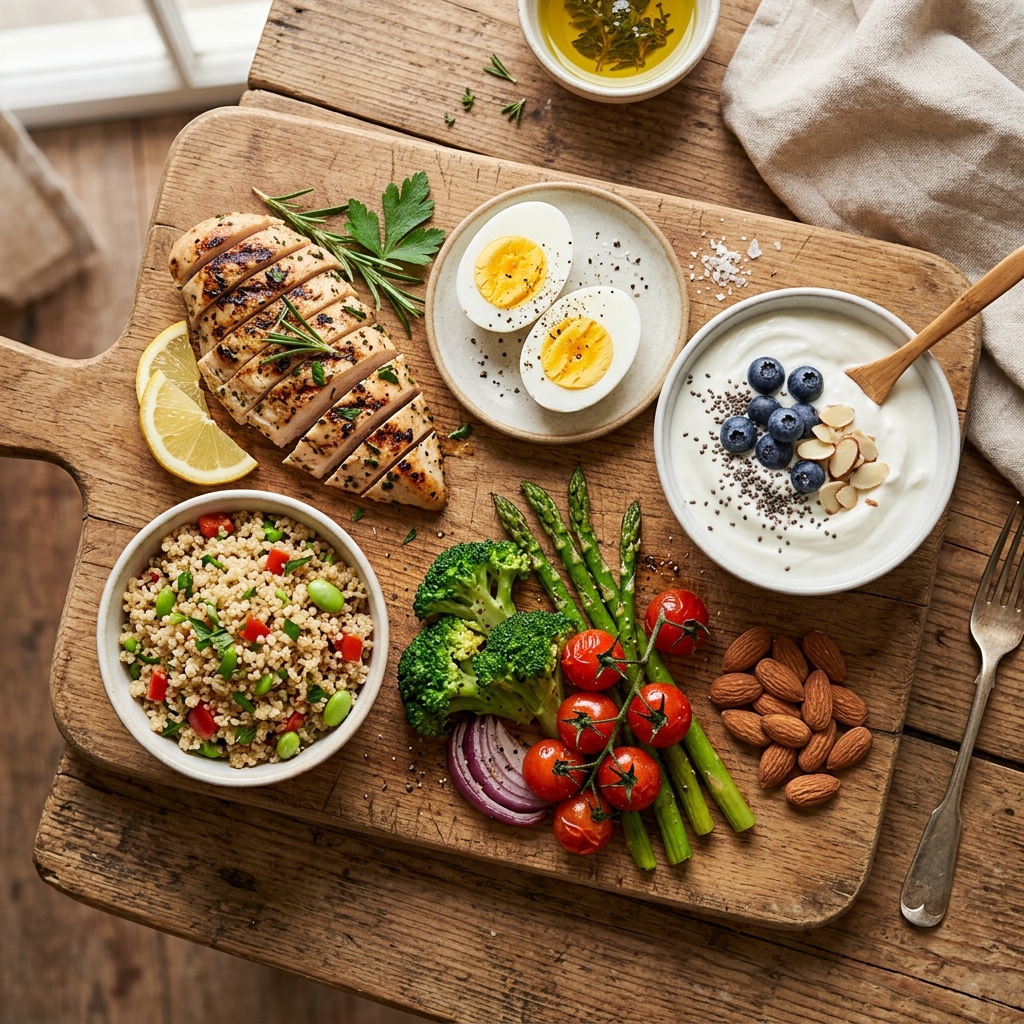
- Grilled chicken breast (35g protein) + sweet potato (40g carbs) + spinach salad with olive oil (8g fat)
- Whey protein shake (30g protein) + banana (30g carbs) + 1 tbsp peanut butter (8g fat)
- Salmon fillet (30g protein) + quinoa (35g carbs) + roasted asparagus (5g fat)
- Greek yogurt (20g protein) + berries (20g carbs) + almonds (10g fat) + scoop of collagen (10g protein)
Pro Tip: If you're looking for delicious, high-protein meal ideas tailored for women over 40, explore our collection of RECIPES FOR WOMEN OVER 40 YEARS.
Timing: When to Eat Your Post-Workout Meal
The Anabolic Window: Fact or Fiction?
The "anabolic window"—the idea that you must eat within 30 minutes of training—has been largely debunked. Research shows that the window is more like 1-2 hours, and even up to 3-4 hours if you ate a protein-rich meal before your workout. However, after 40, it's wise to err on the side of sooner rather than later. Aim to eat within 60-90 minutes post-exercise to maximize recovery.
Pre-Workout Nutrition Matters Too
If you worked out fasted, your post-workout meal becomes even more critical. If you ate a balanced meal 2-3 hours before training, you have a bit more flexibility. Ideally, consume 20-30g of protein pre-workout to kickstart MPS.
Evening Workouts and Sleep
If you train in the evening, your post-workout meal doubles as your dinner. Choose something easy to digest to avoid disrupting sleep. Casein protein (found in cottage cheese or Greek yogurt) is slow-digesting and can support overnight recovery.
Step-by-Step: Building Your Perfect Post-Workout Meal
- 1.Start with Protein: Choose a lean protein source and aim for 30-40 grams. If using powder, mix with water or milk.
- 2.Add Smart Carbs: Include 30-50 grams of clean carbohydrates, adjusting based on your fat loss goals.
- 3.Include Healthy Fats: Add 5-10 grams of fat from avocado, nuts, seeds, or olive oil.
- 4.Fill Up on Veggies: Add 1-2 cups of non-starchy vegetables for fiber and micronutrients.
- 5.Hydrate: Drink 16-24 oz of water with electrolytes if needed.
- 6.Time It Right: Eat within 60-90 minutes after your workout.
- 7.Adjust for Goals: For fat loss, keep carbs and fats on the lower end; for muscle gain, increase both slightly.
Common Mistakes to Avoid
- Skipping the meal entirely: This delays recovery and increases muscle breakdown.
- Eating too little protein: Under 20g won't cut it after 40.
- Overdoing carbs and fats: This can lead to fat gain, especially if you're sedentary.
- Ignoring hydration: Dehydration impairs recovery and performance.
- Relying on processed foods: Whole foods provide better nutrient density and satiety.
Pro Tip: Your post-workout nutrition works best when paired with a comprehensive supplement strategy. Discover which supplements are actually worth your money with The 4 Daily Supplements Worth Your Money (And 3 You Should Stop Buying).
Tailoring Your Meal to Your Workout Type
- Strength Training: Emphasize protein (35-40g) and moderate carbs (40-50g) to support muscle repair and glycogen replenishment.
- HIIT or Cardio: Focus on protein (30g) and higher carbs (50-60g) to replenish glycogen and reduce cortisol.
- Endurance Training: Increase carbs to 60-80g and protein to 30-35g to support sustained energy and recovery.
- Light Activity or Active Recovery: A smaller meal with 20-30g protein and 20-30g carbs is sufficient.
Conclusion: Your Post-Workout Meal Is a Powerful Tool After 40
As you age, your body's ability to recover and build muscle changes, but that doesn't mean you can't achieve impressive results. By strategically choosing the best post workout meal after 40 for muscle recovery and fat loss, you can counteract anabolic resistance, support fat loss, and maintain lean muscle mass. Remember the key principles: prioritize 30-40g of high-quality protein, include smart carbs, keep fats moderate, and time your meal within 60-90 minutes post-exercise.
Consistency is everything. Pair your nutrition with a smart training plan—like the best workout in summer over 40—and consider tracking your cardiovascular fitness with metrics like VO2 Max Is the Single Best Predictor of Lifespan: How to Test and Improve Yours. Your post-workout meal is not just about recovery; it's about building a stronger, leaner, more resilient body for decades to come.