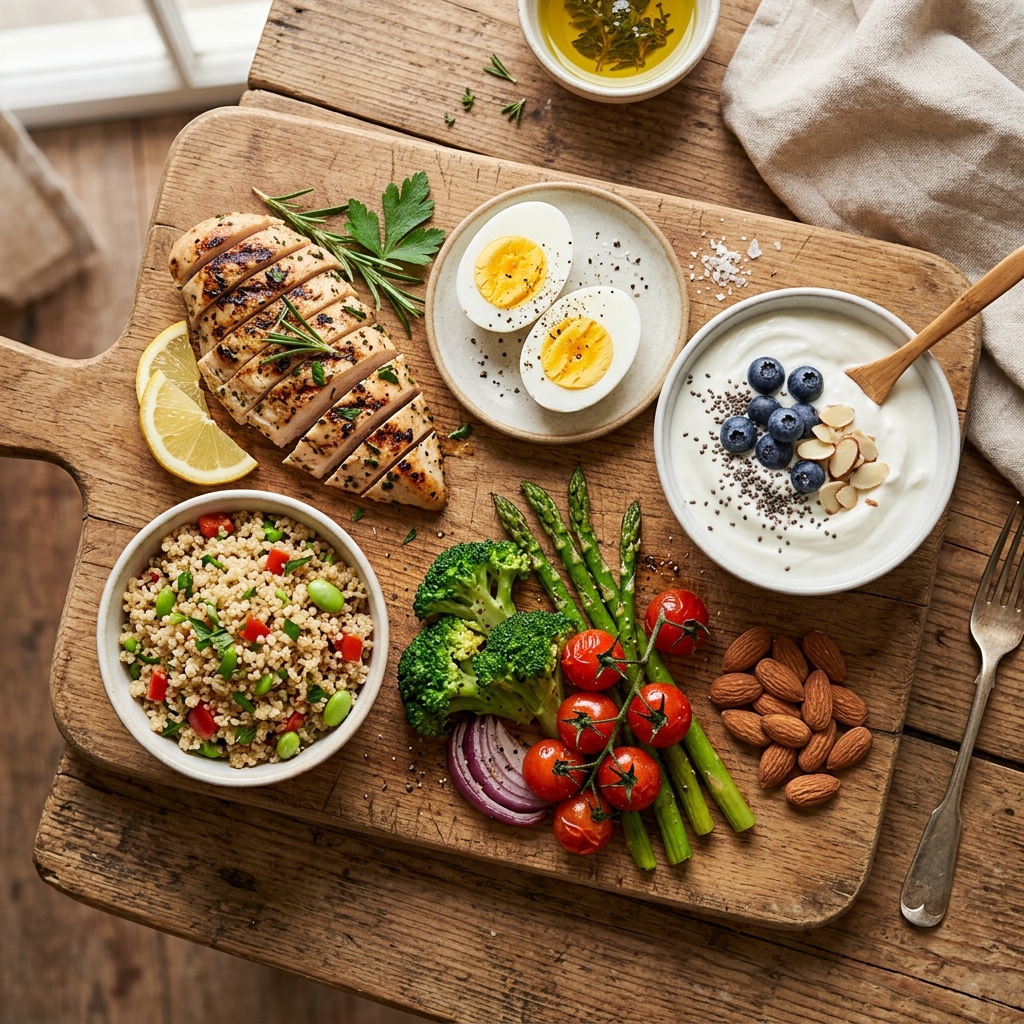
Why Anti-Inflammatory Eating Matters After 40
Turning 40 is a milestone. While you might feel as vibrant as ever, your body is quietly shifting. Chronic, low-grade inflammation—often called "inflammaging"—becomes a more significant player. This isn't the acute inflammation that helps you heal from a cut; it's the smoldering, persistent kind that's linked to joint discomfort, brain fog, fatigue, and an increased risk of heart disease and metabolic issues.
But here's the empowering truth: your diet is one of the most powerful tools you have to fight back. By choosing foods that calm inflammation rather than fuel it, you're not just eating lunch—you're investing in your long-term vitality. And one of the most practical ways to stay on track is meal prep. When healthy, anti-inflammatory meals are ready to grab, you're far less likely to reach for processed options that spike your blood sugar and promote inflammation.
This guide is designed for beginners. We'll walk through five simple, delicious, and nutrient-dense lunches that are perfect for anyone over 40. Whether you're new to meal prep or just need fresh inspiration, these recipes are easy to make, budget-friendly, and packed with the protein and healthy fats your body needs to thrive.
The 40+ Meal Prep Game Plan: What to Keep in Mind
Before we dive into the recipes, let's set you up for success. Meal prep for anti-inflammatory eating isn't about perfection—it's about consistency. Here are a few key principles to guide you:
Focus on Protein (and Don't Skimp!)
Protein becomes even more critical after 40. It helps preserve muscle mass, which naturally declines with age, and it keeps you full and satisfied. Many people don't realize they need more protein than they did in their 30s. If you're curious about the exact numbers, check out this science-backed guide on How Much Protein Do You Really Need After 40? (Science-Backed Guide). Aim for at least 25-30 grams of protein per lunch.
Embrace Healthy Fats
Don't fear fat! Healthy fats like those found in olive oil, avocados, nuts, and fatty fish are anti-inflammatory powerhouses. They also help your body absorb fat-soluble vitamins like A, D, E, and K.
Load Up on Colorful Veggies
Vegetables are packed with antioxidants and phytonutrients that combat oxidative stress and inflammation. The more colorful your plate, the better. Think leafy greens, bell peppers, broccoli, carrots, and tomatoes.
Choose Smart Carbs
Instead of refined white bread and pasta, opt for complex carbohydrates like quinoa, brown rice, sweet potatoes, and legumes. These provide steady energy without causing the blood sugar spikes that can trigger inflammation. For more insight into managing your energy, read about Glucose Spikes & Fatigue: How to Eat for Constant Energy Without Cutting Carbs.
Pro Tip: Start small. Don't try to prep all five lunches at once. Pick one or two recipes to start with, and gradually build your routine. Consistency beats intensity every time.
5 Simple Anti-Inflammatory Lunch Recipes for Beginners
Here are five easy, make-ahead lunches that are perfect for anyone 40+. Each recipe is designed to be simple, delicious, and packed with anti-inflammatory ingredients.
1. Mediterranean Chickpea & Quinoa Power Bowl
This vibrant bowl is a celebration of Mediterranean flavors, loaded with fiber, plant-based protein, and heart-healthy fats. It's a perfect example of how anti-inflammatory eating can be both satisfying and exciting.
Ingredients (makes 4 servings):
- 1 cup dry quinoa, rinsed
- 1 can (15 oz) chickpeas, drained and rinsed
- 1 cucumber, diced
- 1 pint cherry tomatoes, halved
- 1/2 red onion, finely chopped
- 1/2 cup Kalamata olives, pitted and halved
- 1/2 cup crumbled feta cheese (optional, omit for dairy-free)
For the Lemon-Herb Dressing:
- 1/4 cup extra-virgin olive oil
- 3 tablespoons fresh lemon juice
- 1 teaspoon dried oregano
- 1/2 teaspoon garlic powder
- Salt and pepper to taste
Instructions:
- 1.Cook the quinoa according to package directions. Let it cool completely.
- 2.In a large bowl, combine the cooled quinoa, chickpeas, cucumber, tomatoes, red onion, olives, and feta (if using).
- 3.In a small jar, shake together the olive oil, lemon juice, oregano, garlic powder, salt, and pepper.
- 4.Pour the dressing over the salad and toss to combine.
- 5.Divide into 4 airtight containers. Store in the fridge for up to 4 days.
Why it works: Chickpeas and quinoa provide a complete protein profile, while olive oil and olives deliver monounsaturated fats that reduce inflammation. The colorful veggies offer a spectrum of antioxidants.
2. Salmon & Avocado Brown Rice Sushi Bowls
Sushi without the rolling! This deconstructed bowl is incredibly easy to assemble and delivers a powerful dose of omega-3 fatty acids from salmon, which are among the most potent anti-inflammatory nutrients known.
Ingredients (makes 2 servings):
- 1 cup cooked brown rice
- 1 (6 oz) can wild-caught salmon, drained (or use cooked fresh salmon)
- 1 avocado, sliced
- 1/2 cucumber, julienned
- 1/4 cup shredded carrots
- 2 tablespoons low-sodium soy sauce or tamari
- 1 tablespoon rice vinegar
- 1 teaspoon sesame seeds
- Optional: sliced nori sheets
Instructions:
- 1.Divide the cooked brown rice between two bowls.
- 2.Top with salmon, avocado slices, cucumber, and carrots.
- 3.In a small bowl, mix the soy sauce, rice vinegar, and sesame seeds. Drizzle over the bowls.
- 4.Serve with nori sheets if desired. Store in the fridge for up to 2 days (add avocado just before eating).
Why it works: Salmon is rich in EPA and DHA, omega-3 fatty acids that directly combat inflammation. Brown rice provides fiber and B vitamins, and avocado adds creamy healthy fats.
3. Turkey & Sweet Potato Lettuce Wraps
These wraps are a fantastic low-carb option that doesn't sacrifice flavor. Ground turkey is a lean protein, and sweet potatoes are a complex carbohydrate that provides beta-carotene, a powerful antioxidant.
Ingredients (makes 4 servings):
- 1 lb ground turkey
- 1 medium sweet potato, peeled and diced into small cubes
- 1 tablespoon olive oil
- 1 teaspoon ground cumin
- 1 teaspoon smoked paprika
- 1/2 teaspoon garlic powder
- Salt and pepper to taste
- 1 head butter lettuce or romaine lettuce leaves
- Optional toppings: salsa, Greek yogurt, diced avocado
Instructions:
- 1.In a skillet over medium heat, heat the olive oil. Add the ground turkey and cook until browned, breaking it apart with a spoon.
- 2.Add the diced sweet potato, cumin, paprika, garlic powder, salt, and pepper. Stir to combine.
- 3.Cover and cook for about 10 minutes, or until the sweet potatoes are tender, stirring occasionally.
- 4.To serve, spoon the turkey mixture into lettuce leaves. Top with your favorite toppings.
- 5.Store the turkey mixture in the fridge for up to 4 days. Assemble wraps fresh.
Why it works: Turkey provides high-quality protein, while sweet potatoes offer complex carbs and anti-inflammatory beta-carotene. The spices add flavor without adding sodium or sugar.
4. Roasted Veggie & Hummus Whole Grain Wrap
This is a vegetarian wrap that's bursting with flavor and texture. Roasting vegetables brings out their natural sweetness and makes them incredibly satisfying. The hummus adds protein and healthy fats.
Ingredients (makes 2 wraps):
- 1 red bell pepper, sliced
- 1 zucchini, sliced
- 1 yellow squash, sliced
- 1 red onion, sliced
- 2 tablespoons olive oil
- 1 teaspoon dried Italian seasoning
- Salt and pepper to taste
- 2 whole grain tortillas (or large lettuce leaves)
- 1/2 cup hummus
- 1 cup fresh spinach
Instructions:
- 1.Preheat oven to 425°F (220°C).
- 2.On a baking sheet, toss the bell pepper, zucchini, squash, and onion with olive oil, Italian seasoning, salt, and pepper.
- 3.Roast for 20-25 minutes, or until tender and slightly charred.
- 4.Warm the tortillas and spread each with 1/4 cup of hummus.
- 5.Top with spinach and roasted vegetables. Roll up tightly and slice in half.
- 6.These are best eaten fresh, but you can prep the roasted veggies ahead of time and assemble when ready to eat.
Why it works: This wrap is packed with fiber from the veggies and whole grains, protein from the hummus, and healthy fats from the olive oil. It's a great way to get in a variety of anti-inflammatory nutrients.
5. Anti-Inflammatory Chicken & Berry Spinach Salad
This salad is a perfect balance of protein, healthy fats, and antioxidants. The berries add a touch of sweetness while providing powerful anti-inflammatory compounds like anthocyanins.
Ingredients (makes 2 large salads):
- 2 cups cooked chicken breast, shredded or cubed
- 4 cups fresh spinach
- 1 cup sliced strawberries
- 1/2 cup blueberries
- 1/4 cup sliced almonds
- 1/4 cup crumbled goat cheese (optional)
For the Balsamic Vinaigrette:
- 3 tablespoons extra-virgin olive oil
- 2 tablespoons balsamic vinegar
- 1 teaspoon Dijon mustard
- 1/2 teaspoon honey (optional)
- Salt and pepper to taste
Instructions:
- 1.In a large bowl, combine the spinach, strawberries, blueberries, almonds, and goat cheese.
- 2.Top with the cooked chicken.
- 3.In a small jar, shake together the olive oil, balsamic vinegar, Dijon mustard, honey, salt, and pepper.
- 4.Drizzle the dressing over the salad just before eating.
- 5.Store the salad components separately and assemble fresh to prevent wilting.
Why it works: Chicken provides lean protein, while the berries are loaded with antioxidants. The almonds and olive oil offer healthy fats, and spinach is a nutritional powerhouse.
Step-by-Step: Your First Anti-Inflammatory Meal Prep Session
Now that you have five delicious recipes, let's walk through a simple meal prep session to make your week easier.
Step 1: Choose Your Recipes
Pick 2-3 recipes from the list above. For a beginner, I recommend starting with the Mediterranean Chickpea & Quinoa Power Bowl and the Chicken & Berry Spinach Salad. They're both simple and can be made in large batches.
Step 2: Make a Grocery List
Write down all the ingredients you'll need. Check your pantry first to avoid buying duplicates. Having a list prevents impulse buys and keeps you focused.
Step 3: Set Aside 1-2 Hours
Dedicate a block of time on a Sunday afternoon or another day that works for you. Put on some music or a podcast, and make it enjoyable.
Step 4: Cook in Batches
Start by cooking your grains (quinoa or brown rice) and your protein (chicken or turkey) at the same time. While those are cooking, chop your vegetables. This multitasking saves time.
Step 5: Assemble Your Containers
Use airtight glass containers. Divide your grains, protein, and vegetables equally. Keep dressings and sauces separate to prevent sogginess.
Step 6: Label and Store
Label each container with the day of the week. Store in the fridge. Most of these meals will keep for 3-4 days.
Pro Tip: Invest in a set of good-quality glass meal prep containers. They're microwave-safe, easy to clean, and make your food look more appetizing.
The Bigger Picture: Beyond Lunch
While these lunches are a fantastic start, remember that anti-inflammatory eating is a lifestyle, not a quick fix. It's about making consistent, smart choices throughout your day. Pair these lunches with other healthy habits to amplify their benefits. For example, regular strength training is one of the most powerful anti-inflammatory activities you can do. If you're new to it, check out The Minimalist 3-Day Strength Routine for Muscle Mass and Joint Longevity.
Also, don't forget about key nutrients that support your overall health. Many people over 40 are deficient in vitamin D, which plays a role in immune function and inflammation. Learn about the benefits of Vitamin D3 + K2: The Synergistic Duo for Bone Density and Heart Health.
And while you're focusing on nutrition, consider how other habits affect your biological age. Simple daily practices can make a huge difference. Explore Biological Age vs. Chronological Age: 5 Daily Habits That Reverse the Clock for more inspiration.
Conclusion: Your Journey to Less Inflammation Starts Now
You don't need to overhaul your entire life overnight. Start with one or two of these anti-inflammatory lunches. Feel the difference in your energy, your focus, and your joints. This is about building a sustainable foundation for a vibrant, healthy future after 40. Your body will thank you. So, grab your grocery list, head to the store, and take that first delicious step towards a less inflamed, more energized you.
Ready to take control of your health? Pick one recipe from this list and commit to prepping it this week. You've got this!