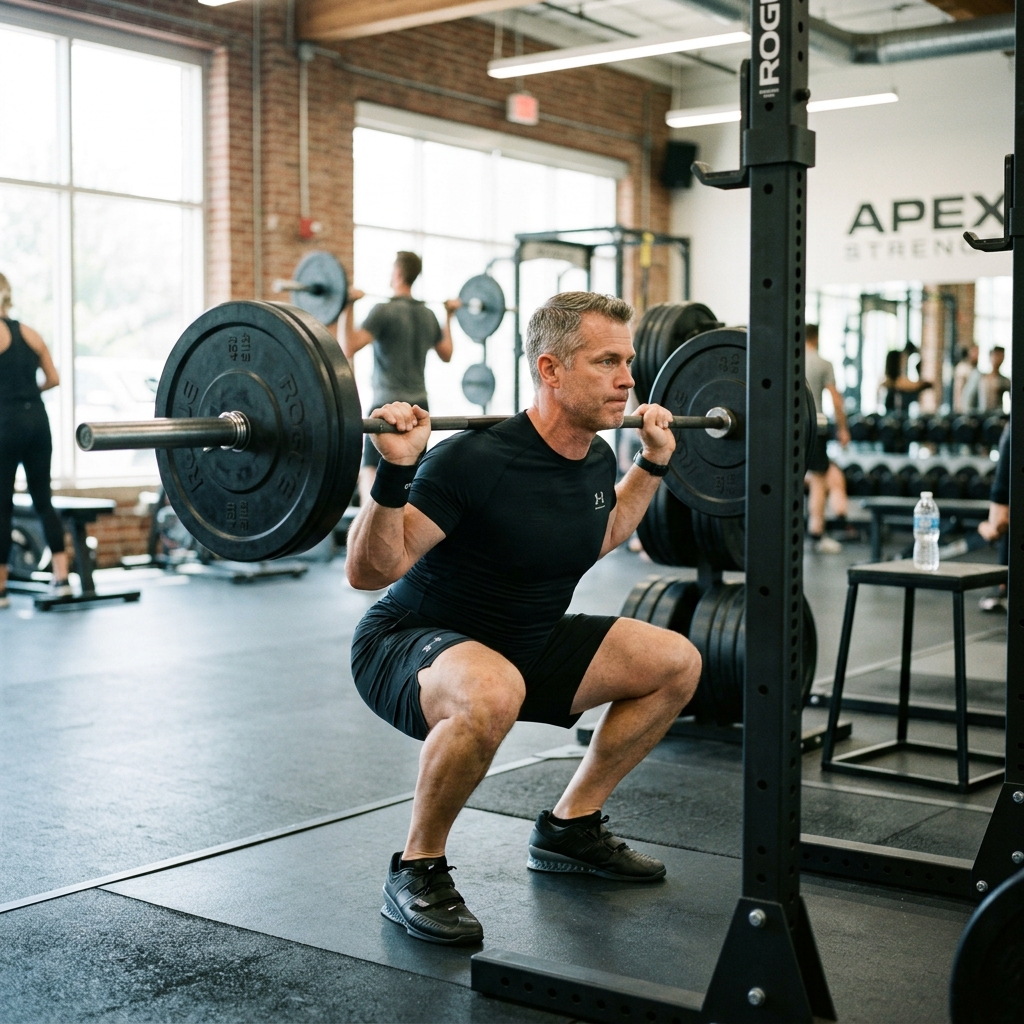
Turning 40 isn’t a signal to slow down—it’s a wake-up call to train smarter. If you’re dedicated to strength training, you’ve probably wondered: is it okay to do cardio on rest days after 40? It’s a common question, and the answer isn’t a simple yes or no.
The truth is, rest days are crucial for muscle repair, hormone balance, and joint health—especially as we age. But that doesn’t mean you need to be a couch potato. In fact, strategic low-intensity cardio on your rest days can actually enhance your recovery and support your longevity goals. Let’s break down the science and give you a practical plan.
Why Rest Days Matter More After 40
After 40, your body’s recovery mechanisms change. Muscle protein synthesis becomes less responsive, hormonal profiles shift (lower testosterone and growth hormone), and inflammation can linger longer. Your nervous system also needs more time to bounce back from intense sessions.
This is why rest days are non-negotiable. They allow your muscles to repair, your glycogen stores to replenish, and your central nervous system to reset. Without them, you risk overtraining, chronic fatigue, and even injury—which can set you back weeks.
But here’s the nuance: “rest” doesn’t have to mean complete inactivity. Active recovery—like light cardio—can promote blood flow, reduce muscle soreness, and improve your overall cardiovascular fitness without compromising recovery.
The Role of Cardio in Recovery
Cardio on rest days isn’t about burning maximum calories or hitting a new PR. It’s about blood flow. When you perform low-intensity exercise, your heart pumps more blood to your muscles, delivering oxygen and nutrients while flushing out metabolic waste products like lactate. This can accelerate the healing process and reduce the dreaded delayed-onset muscle soreness (DOMS).
Additionally, steady-state cardio at a conversational pace stimulates the parasympathetic nervous system, which promotes relaxation and better sleep. And we all know how crucial how-to-improve-sleep-quality-naturally-after-40 is for recovery and overall vitality.
The Risks of Doing Too Much or Too Intense
While moderate cardio is beneficial, pushing too hard on rest days can backfire. High-intensity interval training (HIIT) or long, grueling runs can elevate cortisol levels, increase oxidative stress, and deplete glycogen stores—all of which hinder recovery. Over time, this can lead to a plateau or even regression in your strength gains.
Moreover, if you’re already strength training 3-4 times a week, adding intense cardio on rest days can create an excessive training load without adequate recovery. This is especially risky after 40 when your joints and tendons are less forgiving.
So, the key is to keep it gentle. Think brisk walking, cycling at a low resistance, swimming, or using an elliptical—anything that keeps your heart rate in the “fat-burning” zone (about 50-60% of your max heart rate) without leaving you breathless.
How to Do Cardio on Rest Days the Right Way (Step-by-Step)
Ready to incorporate rest-day cardio safely? Follow these steps:
1. Choose the Right Type of Cardio
Opt for low-impact, steady-state activities that you enjoy. Brisk walking, light jogging (if you’re already a runner), cycling, swimming, or yoga flow are excellent choices. Avoid high-impact or high-intensity modalities like sprinting, CrossFit, or plyometrics.
2. Keep the Duration Moderate
Aim for 20-30 minutes. This is enough to stimulate blood flow without exhausting your energy reserves. If you’re feeling extra tired, cut it down to 15 minutes—something is always better than nothing.
3. Monitor Your Intensity
Use the “talk test.” You should be able to hold a conversation comfortably. If you’re huffing and puffing, slow down. Your goal is to feel energized, not drained.
4. Time It Wisely
Some experts recommend doing rest-day cardio in the morning to take advantage of your natural cortisol rhythm. Others prefer afternoon sessions to avoid interfering with sleep. Experiment and see what works for you.
5. Hydrate and Refuel
Even light cardio makes you sweat. Drink plenty of water and consider a small snack with protein and carbs afterward to support recovery. If you’re struggling to hit your protein goals, check out our guide on the BEST protein over 40 to ensure you’re getting enough.
6. Listen to Your Body
If you feel unusually sore, fatigued, or have joint pain, skip the cardio and take a true rest day. Overtraining is a real risk, and pushing through pain is never smart.
The Best Cardio Options for Recovery After 40
Not all cardio is created equal. Here are some of the best options for rest days:
- Brisk Walking: The simplest and most underrated. A 30-minute walk outdoors can do wonders for your mood and recovery.
- Cycling (Leisure): Whether outdoors or on a stationary bike, keep the resistance low and pedal at a comfortable cadence.
- Swimming: The buoyancy of water takes pressure off your joints, making it ideal for those with arthritis or joint pain.
- Yoga or Pilates: These aren’t traditional cardio, but they elevate your heart rate while improving flexibility and core strength—perfect for active recovery.
- Rowing (Light): If you have access to a rowing machine, use it at a slow, steady pace to engage your whole body without strain.
Pro Tip: Instead of a completely sedentary rest day, try a 20-minute walk after your evening meal. Not only does it aid digestion, but it also helps regulate blood sugar—a key factor in managing belly fat. For more on fat loss, read about visceral-fat-vs-subcutaneous-fat-diet-shifts.
How Rest-Day Cardio Fits Into Your Overall Fitness Plan
If you’re following a 30-Minute Full Body Strength Routine to Build Muscle at Home, you might be training 3-4 days a week. On your off days, adding 20-30 minutes of light cardio is a perfect complement. It keeps your cardiovascular system sharp without interfering with muscle growth.
In fact, research shows that combining strength training with moderate aerobic exercise can improve body composition and reduce cardiovascular risk more than either alone. Just remember that your strength sessions should always take priority on their designated days. Cardio on rest days is a bonus, not a replacement.
Special Considerations for Joint Health and Inflammation
After 40, joint discomfort and inflammation can become more common. While light cardio can help lubricate your joints, it’s essential to choose low-impact activities. If you experience joint pain, consider incorporating anti inflammatory foods for joint pain after 40 into your diet to support your recovery.
Additionally, if you’re dealing with chronic inflammation, rest-day cardio can actually reduce systemic inflammation by improving circulation and promoting the release of anti-inflammatory cytokines. Just keep the intensity low to avoid exacerbating any issues.
The Bottom Line: Yes, But With Boundaries
So, is it okay to do cardio on rest days after 40? Absolutely—provided you keep it light, short, and enjoyable. The benefits of active recovery far outweigh the risks of complete rest, as long as you don’t turn your rest day into a second workout.
Remember, your rest days are meant to help you come back stronger. Use them wisely by incorporating gentle movement, prioritizing sleep, and fueling your body with the right nutrients. If you’re curious about supplements that can support your recovery and muscle preservation, our guide on creatine-monohydrate-benefits-for-muscle-preservation-after-40 is a great place to start.
Now, lace up your walking shoes and enjoy a rejuvenating 20-minute stroll. Your body will thank you—and so will your future self.
Frequently Asked Questions
Can I do cardio every day after 40?
Yes, but it should be low-intensity. High-intensity cardio every day can lead to overtraining. Mix in 2-3 days of strength training and 2-3 days of light cardio for balanced fitness.
What’s the best time of day for rest-day cardio?
Whenever you can be consistent. Morning cardio can boost your metabolism, but afternoon sessions may be better for joint mobility. Listen to your body.
Should I do cardio on rest days if I’m trying to build muscle?
Yes, but keep it to 20-30 minutes of low-intensity work. It won’t interfere with muscle growth and may actually improve recovery.
How do I know if I’m overdoing it on rest days?
If you feel constantly fatigued, have trouble sleeping, or notice a decrease in strength, you’re likely overdoing it. Scale back and prioritize true rest.
Can rest-day cardio help with weight loss after 40?
Yes, it can contribute to a calorie deficit and improve insulin sensitivity, which helps with fat loss. But remember, diet is the biggest factor. Check out our article on whey-vs-plant-protein-best-supplement-building-muscle-strength to optimize your protein intake.
Disclaimer: This article is for informational purposes only and is not a substitute for professional medical advice. Always consult your healthcare provider before starting a new exercise or diet regimen.