%22%20in%20thick%20sans-serif%20yellow%20and%20white%20capital%20letters%20with%20a%20dark%20drop%20shadow%2C%20like%20a%20YouTube%20thumbnail.?width=1280&height=720&nologo=true&enhance=false&model=flux&seed=7286981)
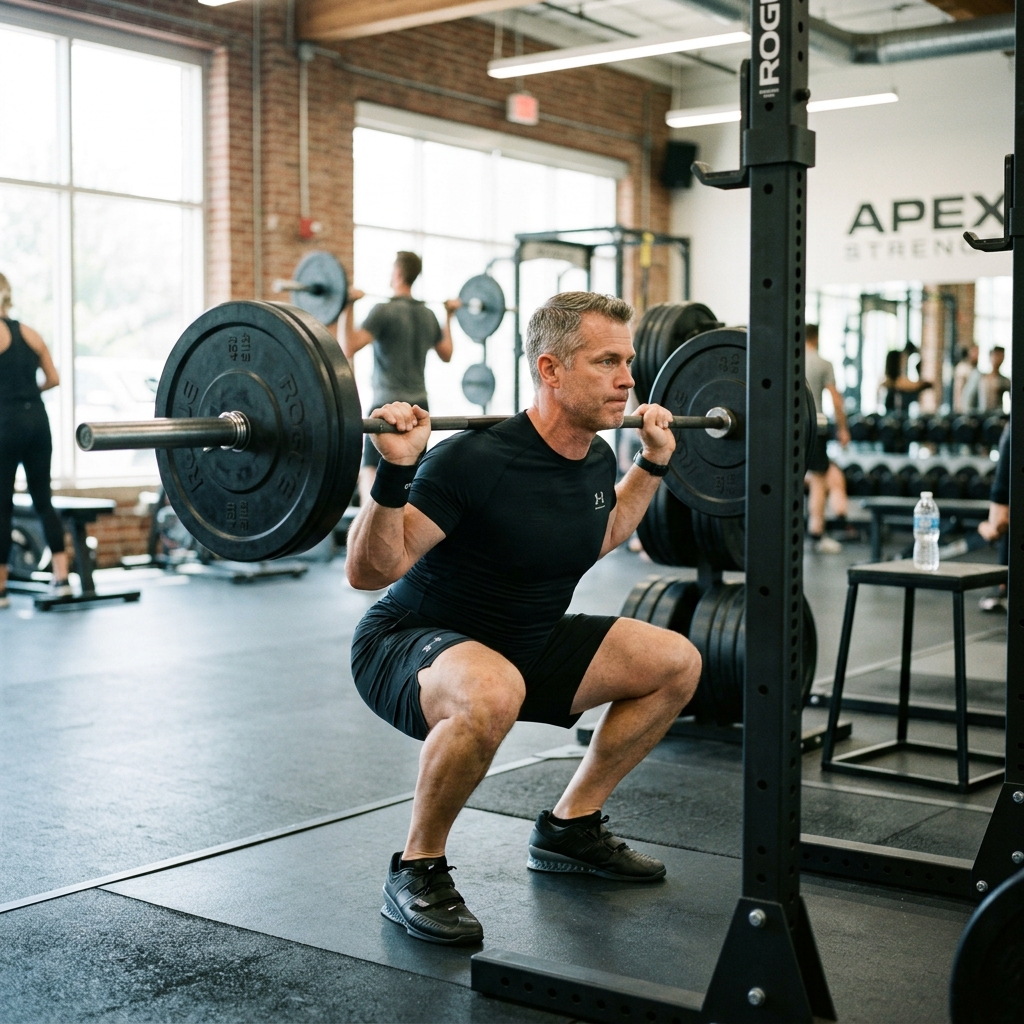
Turning 40 is a milestone that often brings a new perspective on health and fitness. You might have noticed that the same workouts that used to leave you feeling energized now leave you sore for days. This isn't in your head—your body's recovery processes genuinely slow down with age. But here's the good news: understanding the science behind recovery time after workout age 40 can empower you to train smarter, not just harder.
In this comprehensive guide, we'll break down why your body needs more time to bounce back after turning 40, how long you should actually rest between sessions, and the most effective strategies—from nutrition to sleep—to accelerate your recovery. Whether you're a seasoned athlete or just getting back into the gym, these insights will help you maintain strength, prevent injuries, and keep making progress.
Why Recovery Takes Longer After 40
When you hit your 40s, several physiological changes occur that directly impact how quickly your muscles and connective tissues repair themselves. Understanding these can help you set realistic expectations and adjust your training accordingly.
Decreased Muscle Protein Synthesis
Muscle protein synthesis (MPS) is the process by which your body builds new muscle protein. Research shows that MPS becomes less responsive to the anabolic stimulus of exercise as we age. This means that after a workout, your body's ability to rebuild and strengthen muscle fibers is blunted compared to when you were 20. To compensate, you need to pay closer attention to your protein needs after 40 and ensure you're consuming enough high-quality protein throughout the day.
Slower Cellular Repair and Inflammation Resolution
Exercise causes microscopic damage to muscle fibers, which triggers an inflammatory response—this is a normal part of the repair process. However, as we age, the resolution of this inflammation becomes less efficient. The result? Prolonged muscle soreness (DOMS) and a longer time before you feel fully recovered. This is one of the key reasons why recovery time after workout age 40 is noticeably longer.
Reduced Joint and Connective Tissue Resilience
Your tendons, ligaments, and cartilage also age. They become less elastic and more prone to injury. This means that high-impact or high-intensity workouts can place more stress on these structures, requiring additional recovery time. Incorporating anti inflammatory foods for joint pain after 40 into your diet can help support joint health and reduce chronic inflammation.
How Long Should You Rest Between Workouts?
One of the most common questions is: "How many rest days do I need after 40?" The answer isn't one-size-fits-all, but general guidelines can help you structure your week.
General Guidelines for Different Training Types
- Strength Training: For most people over 40, 48 hours of rest between sessions targeting the same muscle group is ideal. This allows for adequate muscle repair and reduces the risk of overtraining. If you're doing a full-body workout, you might train every other day.
- High-Intensity Interval Training (HIIT): HIIT places significant stress on both muscles and the cardiovascular system. Plan for 48-72 hours of recovery between HIIT sessions.
- Endurance/Cardio: Low-impact steady-state cardio (like brisk walking or cycling) can be done more frequently, but intense runs or long rides may require 24-48 hours of rest.
Listen to Your Body
While these are general guidelines, it's crucial to tune into your body's signals. If you're still feeling excessively sore, fatigued, or notice a decline in performance, it's a sign that you haven't fully recovered. Adding an extra rest day is better than pushing through and risking injury.
Pro Tip: Use the "talk test" to gauge your recovery. If you can't hold a conversation during a light warm-up, you're likely not recovered. Also, monitor your resting heart rate—a significant increase (5-10 beats above normal) can indicate that your body is still stressed.
Nutrition's Role in Accelerating Recovery
What you eat after a workout is just as important as the workout itself. Proper nutrition provides the building blocks your body needs to repair muscle and replenish energy stores.
Protein: The Building Block of Recovery
As mentioned, your body's ability to synthesize protein declines with age. To counteract this, you need to be more deliberate about your protein intake. Aim for 1.2-2.0 grams of protein per kilogram of body weight per day, spread across 3-4 meals. This ensures a steady supply of amino acids for muscle repair. For a deeper dive, check out this guide on How Much Protein Do You Need to Build Muscle Strength After 40? to fine-tune your numbers.
Carbohydrates: Replenishing Glycogen
Carbohydrates are your body's primary fuel source. After a workout, your glycogen stores are depleted. Consuming carbs within 30-60 minutes post-exercise helps replenish them, allowing you to recover faster and be ready for your next session. A 3:1 or 4:1 ratio of carbs to protein is a good rule of thumb for a post-workout snack.
Anti-Inflammatory Foods
Chronic inflammation can slow down recovery and contribute to joint pain. Incorporating foods rich in omega-3 fatty acids (like salmon and walnuts), antioxidants (berries, leafy greens), and spices like turmeric can help reduce inflammation. For more ideas, explore our guide on Easy Anti-Inflammatory Meal Prep: 5 Simple Lunches for Beginners Ages 40+ to make healthy eating convenient.
Hydration and Electrolytes
Dehydration can impair muscle function and delay recovery. Make sure you're drinking enough water throughout the day, and consider adding electrolytes if you're sweating heavily. A simple rule: drink at least half your body weight in ounces of water daily, and more on training days.
The Power of Sleep and Active Recovery
Sleep is when your body does the majority of its repair work. Growth hormone, which is essential for muscle repair, is released primarily during deep sleep. As we age, sleep quality often declines, making it even more critical to prioritize good sleep hygiene.
Sleep Strategies for Faster Recovery
- Aim for 7-9 hours of quality sleep per night.
- Maintain a consistent sleep schedule—go to bed and wake up at the same time every day, even on weekends.
- Create a relaxing bedtime routine: dim lights, avoid screens an hour before bed, and keep your bedroom cool and dark.
- Avoid caffeine and heavy meals in the evening.
Active Recovery: Move to Recover
On your rest days, you don't have to be completely sedentary. Active recovery—like light walking, yoga, or swimming—can increase blood flow to muscles, delivering nutrients and removing waste products. This can actually speed up recovery. Just keep the intensity low (around 50% of your max effort).
Supplements That Can Support Recovery
While food should be your primary source of nutrients, certain supplements can help bridge the gap and support recovery, especially if you have deficiencies.
- Omega-3 Fatty Acids: Reduce inflammation and support joint health.
- Vitamin D: Important for muscle function and bone health. Many people over 40 are deficient.
- Magnesium: Helps with muscle relaxation and reduces cramps.
- Creatine: Shown to enhance muscle recovery and strength, particularly in older adults.
For a more targeted approach, consider our Top 5 Supplements to Enhance Joint Strength and Mobility Over 40 for joint-specific support.
Step-by-Step: A Recovery Protocol for the 40+ Athlete
Here's a practical, step-by-step routine to integrate into your weekly schedule to optimize recovery.
Step 1: Optimize Your Post-Workout Nutrition
Within 30-60 minutes after your workout, consume a snack or meal containing both protein and carbohydrates. A protein shake with a banana, or Greek yogurt with berries, are excellent choices. This kickstarts muscle repair and glycogen replenishment.
Step 2: Prioritize Hydration
Drink water throughout the day, and if your workout was particularly sweaty, add an electrolyte drink. Monitor the color of your urine—pale yellow indicates good hydration.
Step 3: Plan Your Rest Days
Schedule at least 1-2 full rest days per week. On these days, focus on active recovery, stretching, or foam rolling. This helps reduce muscle tension and improve flexibility.
Step 4: Get 7-9 Hours of Sleep
Make sleep a non-negotiable part of your recovery plan. If you struggle with sleep, try establishing a relaxing bedtime routine and avoid screens at least 30 minutes before bed.
Step 5: Listen to Your Body
Keep a simple workout journal. Note how you feel before, during, and after each session. If you notice persistent soreness or fatigue, adjust your training intensity or take an extra rest day. Remember, recovery is where the gains are made.
Step 6: Consider a Deload Week
Every 4-6 weeks, take a lighter week where you reduce the volume or intensity of your workouts by 30-50%. This gives your body a chance to fully recover and can help prevent plateaus. For more on breaking through performance stalls, read our article on Overcoming Fitness Plateaus: Keep Gaining Muscle Strength Month After Month.
Common Mistakes to Avoid
Even with the best intentions, many people over 40 make recovery mistakes that hinder progress. Here are a few to watch out for:
- Skipping Warm-Ups and Cool-Downs: A proper warm-up increases blood flow and prepares muscles for work, reducing injury risk. A cool-down helps gradually lower heart rate and start the recovery process.
- Overtraining: More is not always better. Pushing too hard without adequate rest leads to burnout and injury.
- Ignoring Pain: Sharp pain is different from muscle soreness. If you experience joint pain or sharp discomfort, stop and consult a professional.
- Neglecting Flexibility: Incorporate stretching or yoga into your routine to maintain mobility and reduce muscle tightness.
The Mind-Body Connection in Recovery
Recovery isn't just physical; your mental state plays a significant role. Chronic stress elevates cortisol levels, which can impair muscle repair and increase inflammation. Managing stress through mindfulness, meditation, or simply taking time for hobbies can positively impact your recovery. For a holistic approach to thriving after 40, check out our guide on HOW TO BE WELL AFTER 40 YEARS.
Conclusion: Embrace the New Normal
Recovery time after workout age 40 is longer, but that doesn't mean you can't achieve your fitness goals. By understanding the physiological changes and implementing strategic recovery practices, you can continue to build strength, improve endurance, and feel great. Remember, recovery is not a sign of weakness—it's a sign of wisdom.
Start by applying one or two of the strategies from this guide and gradually build up. Your body will thank you, and you'll be amazed at how much better you feel and perform.
Your journey to optimal health after 40 starts now. Embrace it!